Are you a parent educator, teacher, social worker, physician, therapist or other professional looking for free, printable handouts, articles to link to, posters and class activities about child development and parenting? This page collects all of the resources I’ve deveoped for use by professionals serving families with children from age 1 to 7. I also have blog posts on all these topics and lots more which you are welcome to link to.
If you want the big picture of my writing style, and my philosophical approach, the best place to start is with my Top Ten Takeaways.
My newest resources are: The Well Rounded Child – a balanced diet of developmental activities; Building Fine Motor Skills; Picky Eaters; Offering Choices gives concrete examples of how 3 parenting styles might play out; Mirrors and Windows – teaching your child about their own cultural identity and diverse life experiences. Also – in 2026, I updated virtually every handout on this page!
Scroll down for my full collection of handouts (~150 to choose from), or click on one of these links to go to that specific section:
- Child Development – includes developmental milestones, understanding your unique child, and social / emotional development
- Early Learning – includes learning through play, language and literacy, supporting non-academic skills, preschool / school and academics
- Parenting Day to Day – includes discipline, nutrition, potty training, safety, screen time, and sleep
- Long-term Parenting: Mission and vision, parenting style, sibling relationships, connections to extended family, and how to talk with a child about difficult topics
- Topics for Parents: Relationship skills and self care
- Activities for Kids: stories, songs, crafts, circle time activities, and hands-on STEM learning
And if you teach children, don’t miss my “For Teachers” page!
Child Development
Developmental Milestones
- Handout on Developmental Milestones. This is an overview handout, which includes links to great age-based resources for learning more about typical development, developmental screening, and ways to help children learn. (Also check out my blog post for great resources for understanding developmental milestones which includes links to development newsletters and screening tools.)
- The Well Rounded Child. This introduces the idea of a “balanced diet” of developmental activities to best support children’s learning in all areas of development.
- Developmental Screening: The Ages and Stages Questionnaire is one of the best research-based validated tools, and it’s now available for free online. Your students can complete it on their own or you can do it in class as a conversation starter. Here’s a handout on the Completing the Online ASQ Developmental Screening or here’s my blog post on it. Here’s more info on the ASQ.
Brain Development
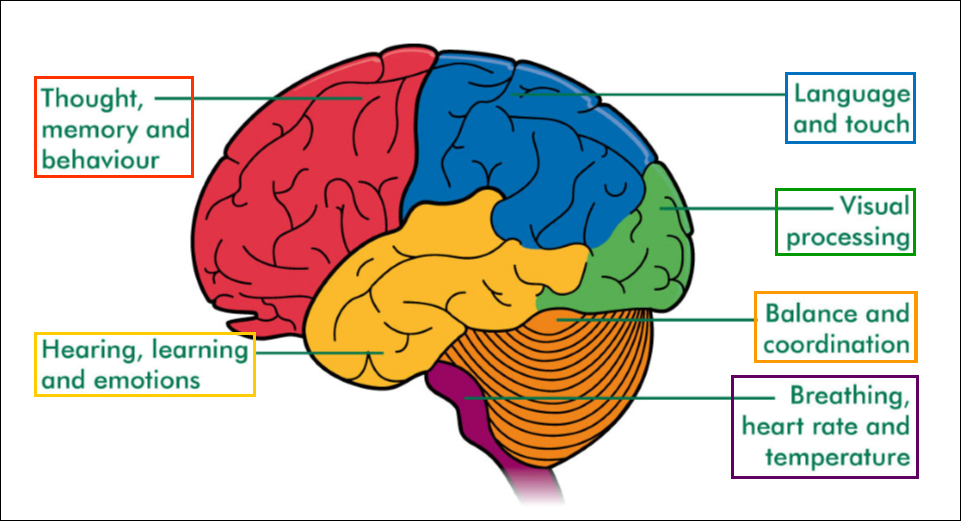
- 4 Keys to Brain Development: children learn through novelty (new experiences), repetition to build mastery, down time to process – all while they feel safe and loved. 2 page, 1 page intro
- Brain Development (anatomy focused). A basic 2 page handout, and the 4 page version.
- Brain Map shows the different parts of the brain, defining the sensitive periods for their development, and how parents can help. 8×11 handout, 11×17 poster
- Developing Your Child’s 8 Senses. (Includes vestibular system, proprioception and interoception.)
- Building Fine Motor Skills.
Your Unique Child – temperament, learning style, gender
- Temperament quiz – can be used as an in-class activity or as a take-home handout
- Temperament handout – talks about goodness of fit.
- Temperament posters. 8.5 x 11 posters to be posted around the room where parents observe children at play. The posters describe 6 different temperaments, and ask parents to consider what temperaments each child is displaying.
- Toys and Games for Multiple Intelligences – encourages parents to choose toys and activities that build a variety of skills in kids. Toddler version.
- Handout on Gender differences, which addresses what the research shows about biological and culturally influenced differences between boys and girls.
- Gender as a Spectrum which addresses the concept of gender identity, defining your own values about gender, kids who explore alternate gender roles and transgender children.
Emotional Development:
- Emotional Literacy. Teaching your Children the Vocabulary of Emotions and how to read their own feelings and those of others. (Version for parents of children over age 5)
- Separation Anxiety (babies and toddlers), Separation Anxiety and Preschool.
- Taming Toddler Tantrums. Includes Daniel Siegel’s concept of the downstairs brain and how children regress developmentally when they are upset. Also check out Managing Meltdowns, which is aimed at parents of older children and neurodiverse children, and differentiates between a tantrum as a behavior choice / discipline issue vs. a meltdown as an overloaded brain.
- Expressing Emotions Posters – this is a collection of 3 posters to use with young children to teach about how to recognize, express and release anger, sadness, and fear.
- Instead of… posters. “Instead of telling a child not to be sad, tell them how to cope with sadness.” Inspired by an idea from Gen Mindful.
- How Big – Zones of Emotional Regulation – a tool for helping parents and children to understand big feelings and ways to get back to calm and ready to learn. Version to use with parents of children under 5 (parent completes worksheet for child) and over 5. (Child completes worksheet for self, with parent support)
- Emotion Coaching
- Building Resilience in Children. Let them experience challenge and disappointment. Help them manage anxiety. Allow them to take risks. Teach growth-based mindset.
- Parental Anger. All parents get angry in front of their kids. If they handle anger poorly, it’s frightening for children. But, if they handle it well, kids learn important lessons.
Social Development:
- Kid friendships. How to teach skills that help kids make and keep friends. For 2 – 4 year olds, for 4 – 6 year olds.
- Playdates – arranging opportunities for children to learn social skills through play.
Early Learning
Learning through Play
- Handout on Play Based Learning. What it is, what children learn through play, and the parent/teacher’s role in enhancing the learning that happens during play.
- Play-Based Classroom. This is for use by co-op preschools to explain what play-based learning is and how parents can support it while working in the classroom.
- Child Directed Play. Focuses on the Floortime method, which is designed for children with autism and delays but also helpful for typically developing children.
- Posters of Open Ended Questions parents can ask to extend children’s learning.
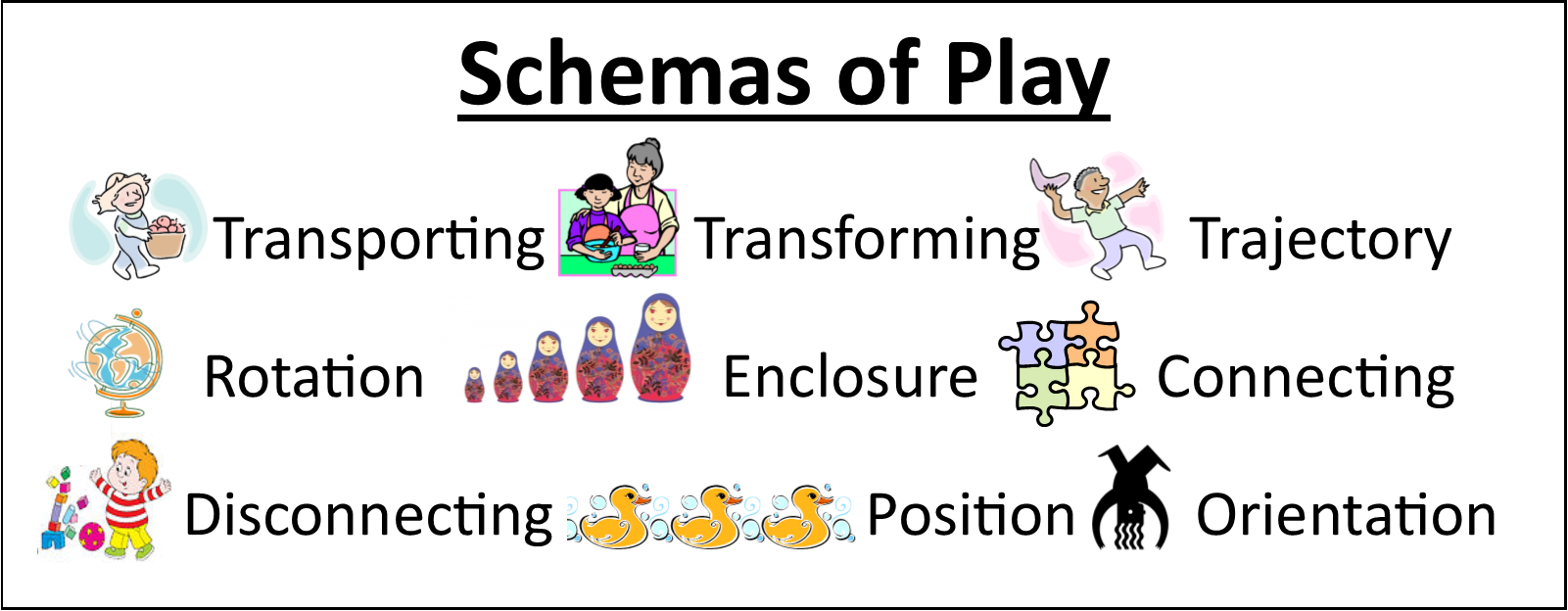
- Schemas of Play: Postcard size “interpretive signs” which can be placed around the classroom for parents to read and learn from as their children play. They talk about: Transporting, Transforming & Connecting, etc. Here is an 11×17 Schema poster.
- When I play, I am learning. Postcard size signs to place around the room, near activities, that explain what a child learns through playing with blocks, water, etc.
- 4 opportunities for learning – talks about balancing direct teaching, facilitated play, free play and down time to support a child’s development.
- Following Your Child’s Lead (touches on engagement cues, responsive language and child-led play to support development)
Language & Literacy:
- Language Development– 2 page overview handout, with lots of tips for what parents can do to enhance language development.
- Responsive Language – how parents can enhance language learning not just by talking a lot, but by noticing where the child’s attention is and focusing there.
- Early literacy – building pre-reading skills with your toddler – what parents can do to lay the foundations for future reading. Literacy – similar handout aimed at a broader age range (2 – 6)
- Raising Bilingual Children – this handout is appropriate both for English speaking families who want to add in an additional language, and for families for whom English is a second language.
- Mirrors and Windows: Diversity in Children’s Books and Videos.
“Soft Skills” to Support Your Child’s Learning
- Praise and Self Esteem – a handout on how to effectively encourage a child, and not offer praise so often that it loses meaning
- If At First You Don’t Succeed: Building Grit, a Growth-Based Mindset, and the Willingness to Fail and to Try Again
- Motivation – Handout on understanding your motivation and your child’s motivation to learn a new skill, praise, reward, punishment, and internal motivation.
- Mindfulness for Parents and Children
Preschool and School
- Choosing a Preschool (For younger children, read Choosing Child Care.)
- Choosing Activities – this handout is very similar to choosing preschool, so you wouldn’t want to use both in a class – this one focuses more broadly on extra-curriculars rather than focusing on “school.”
- Benefits of Multi-Age Classes.
- Adapting to Preschool or Kindergarten – How to get your child ready for their first day of school, and support them through the transition. Or here’s an alternate handout focused just on minimizing Separation Anxiety at Preschool.
- How to Help Your Child Succeed in School: create an environment which supports learning, set high but reasonable expectations, and connect with your child’s school and teacher. Laying the Foundations for Future School Success – for parents of toddlers.
Teaching Specific Subjects
- Teaching Early Math Skills for age 1 – 5. Teaching Science Skills for age 3 – 6. Teaching Engineering (Hands-On Problem Solving) for age 1 – 6.
- Teaching Problem Solving Skills.
- Making Music – the Benefits for Early Learning is a handout about all the developmental benefits of making music – whether that’s shaking bells at toddler circle time, or singing songs at preschool group time, or childhood music lessons.
- Nature / Outdoor Time: Handout covers nature deficit disorder, the benefits of time outdoors, and how to overcome the barriers to going outside. My 20 minute video on these topics: www.youtube.com/watch?v=KMQ1e6ljuFs
- Handout on the Benefits of Walking Your Child to School
Parenting Your Child Day-by-Day
Building Independence:
- Raising an Independent Child: Give them more chances to do things themselves, ask them to do chores, and offer more opportunities to make choices.
Discipline:
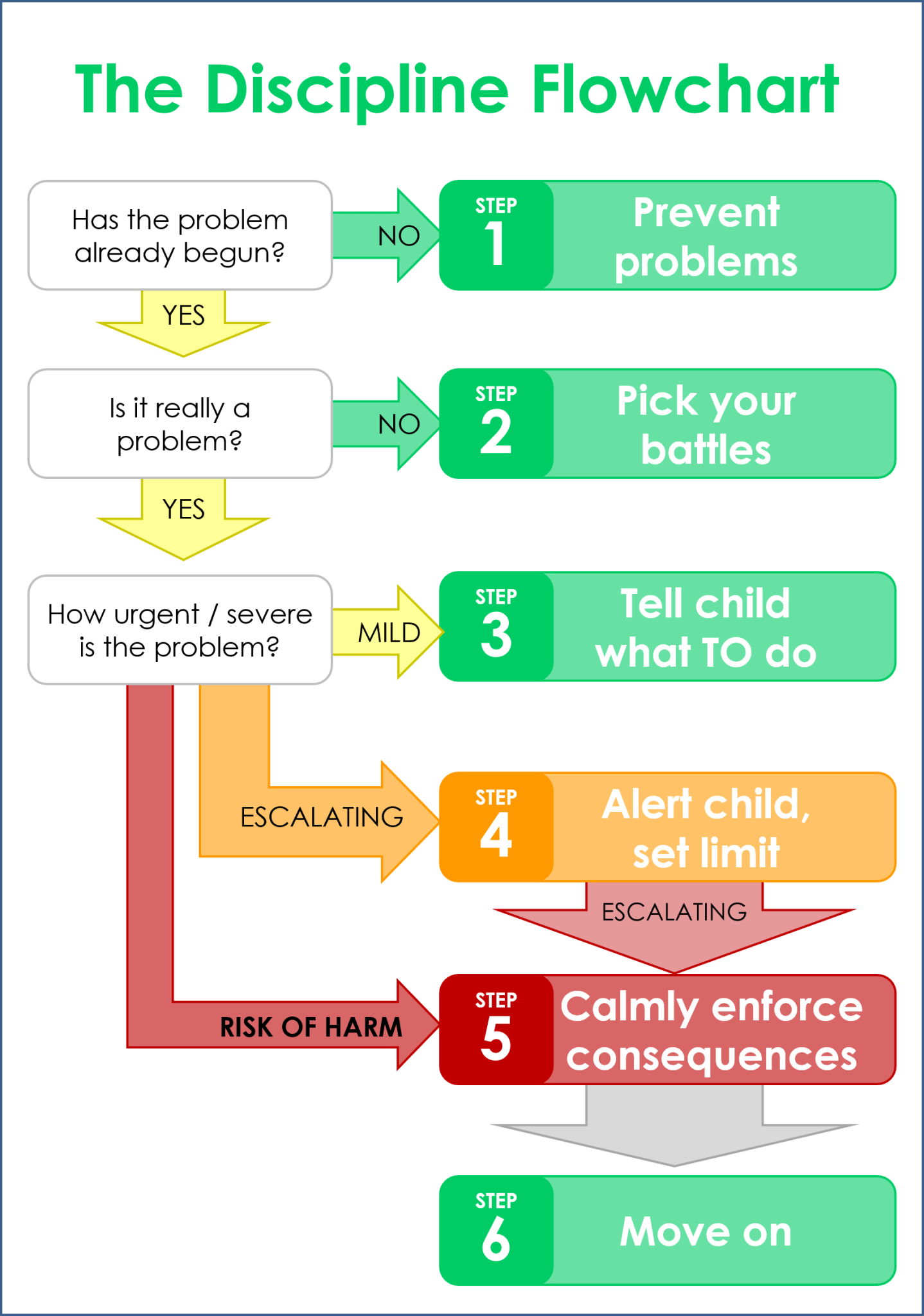
- The Discipline Toolbox Framework. (Note: I have a video of me presenting this info that I made a few years ago that you might find helpful.)
- Discipline Toolbox in color or Discipline-Flow-Black & White. Any building project starts with strong foundations, then building the structure, and fixing the problems as they arise so you can return to building. You need different tools for each job. This handout offer the overview. The three handouts below offer more details.
- Discipline Foundations – the green zone from the toolbox. Trust, respect, letting your child know what’s expected of them, routines, attention principle, and when/then.
- Teach Your Child HOW to Behave Well – Role Model, Re-Direct, Substitute, Offer Choices, Tell What TO Do. The orange zone on the toolbox – building the skills.
- Consequences – the “power tools” for fixing discipline problems – the red zone on the toolbox. I have two versions of the handout, one with Time Out details and one without. Consequences and Time Out; Consequences
- Posters: Discipline Toolbox and Discipline Flowchart to post on class wall.
- Discipline Tools You Can Try: discipline tools posters with one tip per card – to hang in the classroom / lab setting for parents to read while playing / interacting with the children. And discipline tools postcards for parents to print and use at home as reminders.
- Three Discipline Tools to Try: Kids do well when they can, the Attention Principle, and When/Then.
- Self discipline– impulse control, delayed gratification, understanding difference between right and wrong – AND how we help our children learn these things!
- Words Matter Handouts. These handouts are reflective activities, where students read examples of ineffective communication (vague commands, broken record, asking a question when you mean a command) and parents re-write that sentence. The idea is that changing our words can change our interactions with kids. I have three versions of the handout… the long (Words Matter), the short (Words Matter to use in class), and the in-between (Words Matter for Discipline). Pick your favorite.
- Older handouts:
- Discipline Process – pre-dates the toolbox handouts… It includes a flow chart of steps in the discipline process from preventing problems to gentle interventions to logical consequences. (Or you could choose to use the Discipline Flow Chart on its own – in color, or black and white.)
- Discipline – 8 Tools for Toddler Discipline. And Saying Yes – Telling your child what TO DO instead of what not to do. FYI, these two handouts work well together. However, do NOT use these if you’re using the Discipline Process handout, as there is overlapping content between them.
Eating / Nutrition
- Nutrition Overview for Toddlers and Preschooler
- Making Family Meal Time Pleasant
- Responsive Feeding – following your infant / toddller’s hunger and full cues
- Picky Eaters – an approach that starts with empathy
Potty Training / Toilet Learning:
- Potty Training Overview. An overview of how to tell whether your child is ready, and concrete steps you can take to move them along on the process.
- Assessment of Potty Training Readiness – to be used in combination with the handout above – I have parents complete the assessment, then give them the handout and talk about using the assessment results to decide where to start.
- Longer Handout – includes discussion of praise, punishment, and motivation.
- I also have a blog post on “What if my child won’t poop in the potty” which is helpful for parents of the 20% of kids who go through this phase.
Safety:
- Toddler Safety Powerpoint presentation – a 42 slide presentation you can download and adapt to your needs. Covers child-proofing, prevention and treatment of common injuries, teaching safety skills to toddlers, and balancing safety with the child’s need to explore to learn about the world
- Toddler Injury Prevention – Most common injuries and how to prevent / treat them
- Teach Safety. Introduces a vocabulary of green light to red light for teaching safety skills while letting your child explore.
- Risk-Taking and Safety. How we let our kids enjoy and learn from risky play while still keeping them safe.
- Car Seat – most parents move their kids up to the next level car seat when they reach the minimum age or size. It’s much safer to keep them at each level until they reach the maximum size for it!
- Rabbits in the Hole: A book for preschool earthquake drills. (Learn more about how I teach children earthquake safety and do drills.)
- Stranger Danger vs. Tricky People: how to reduce your child’s risk of being lost, abducted, or experiencing sexual abuse.
Screen Time
My handout on screen time talks about 3 C’s: Connection – does the screen enhance or disrupt relationships? Context – when, where, and how is it used? Content – quality standards may be more important than quantity guidelines.
Sleep and Daily Routines:
- Sleep and your Toddler
- Routines: Getting through the Day with a Toddler: Routines. These two handouts have similar content, though different tones, so you’d want to pick just one.
Traveling with Children
Parenting – Long Term Perspective
Best Parenting Books
Find my top 20 Recommended Parenting Books
Long-Term Parenting / Vision & Mission:
Ellen Galinsky has a concept of Stages of Parenting, which I address in this handout, and then offer questions to guide a conversation about how parenting changes as your child moves into their elementary school years and need a little less hands-on support.
Here is a handout on developing a mission and vision for parenting.
i have two alternate class activities: a mission worksheet – I give students 5 – 10 minutes to write down what they hope their child will be like in 15 years. Then we go around and they share one answer. Then I talk about vision statements and give examples. (see resources in handout) Then they turn the paper over, and brainstorm vision statements. Then I talk about mission statements and have students read each of the examples in the handout, then they brainstorm mission statements. Or, this worksheet simply helps them envision their goals for their child / family over the next 15+ years – they spend time working on theirs, then share with others.
Parenting Style:
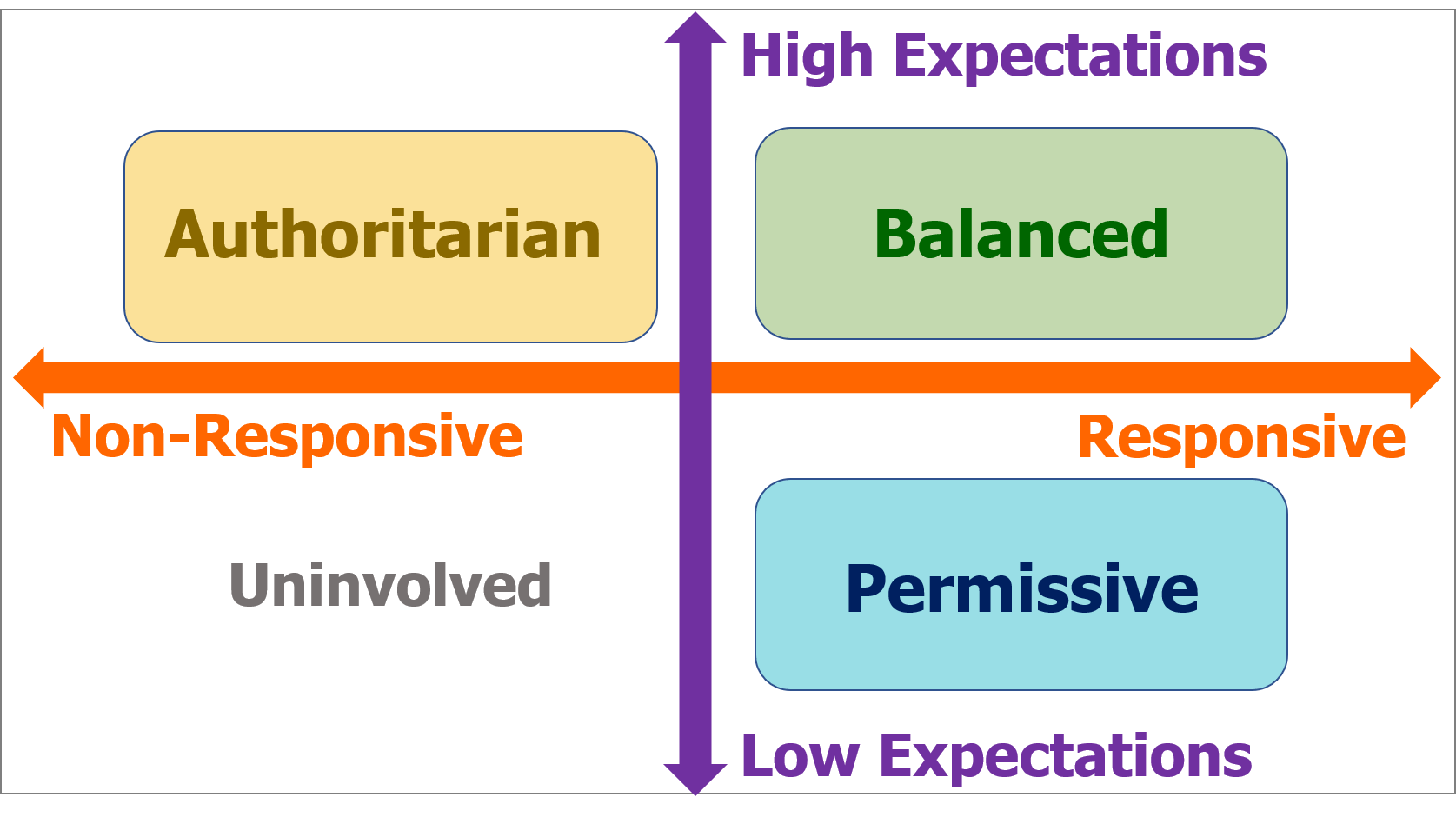
Here is an overview handout on Parenting Style. Or here is the quiz version where readers can take a quiz to see where they may lie on the parenting spectrum, then it outlines the four parenting types and encourages them to reflect on how they were parented / how they want to parent. (Quiz in black and white.) These handouts replace my older versions called What “Label” best describes your parenting style? and Four Parenting Styles.
This handout on Offering Choices gives some concrete examples of how parenting style might play out in everyday choices.
Here is a continuum exercise for class: I put a yellow sign at one end of the room, and blue at the other. I tell people that I’m going to read two statements – if the yellow one feels like it describes your parenting style, stand near the yellow sign. If the blue sounds right, stand near the blue. If you’re somewhere in between, stand somewhere in between (the green zone.) After we do all the categories, I explain how that aligns with parenting style.
Simplicity Parenting: How Much is Enough, How Much is Too Much: about consumerism and “simplicity parenting”: making choices about what toys to buy, what activities to do, savoring free time, and a brief mention of screen time.
Family and Family Identity
- Siblings?
- Connections with Extended Family
- Resolving Conflict With Family
- Handouts on teaching the child about their own cultural identity / family values, and also how to appreciate diversity and how other people may be different from them.
- Talking about Cultural Identity and Diversity.
- Defining Your Family Culture – the Identity Wheel worksheet
- Mirrors and Windows concept overview; Diverse Books – choosing books (and shows) where characters both reflect your child’s experience, and give them windows into diverse life experiences
Having the Difficult Conversations with Your Child:
- Better You than YouTube. Why their parents are the best people for kids to have these conversations with.
- Talking about Scary Topics.
- Talking about Death
- Talking about differences how to respond when your child notices that others are different from them: race, ability, age, weight, etc.
- Talking about Sexuality With Kids
- Talking with Children about Gender Identity includes how to talk with a child about gender non-conforming people, and how to be supportive of transgender people.
- Tricky People – reducing your child’s risk of sexual abuse.
Other topics for Parents
Relationship Skills:
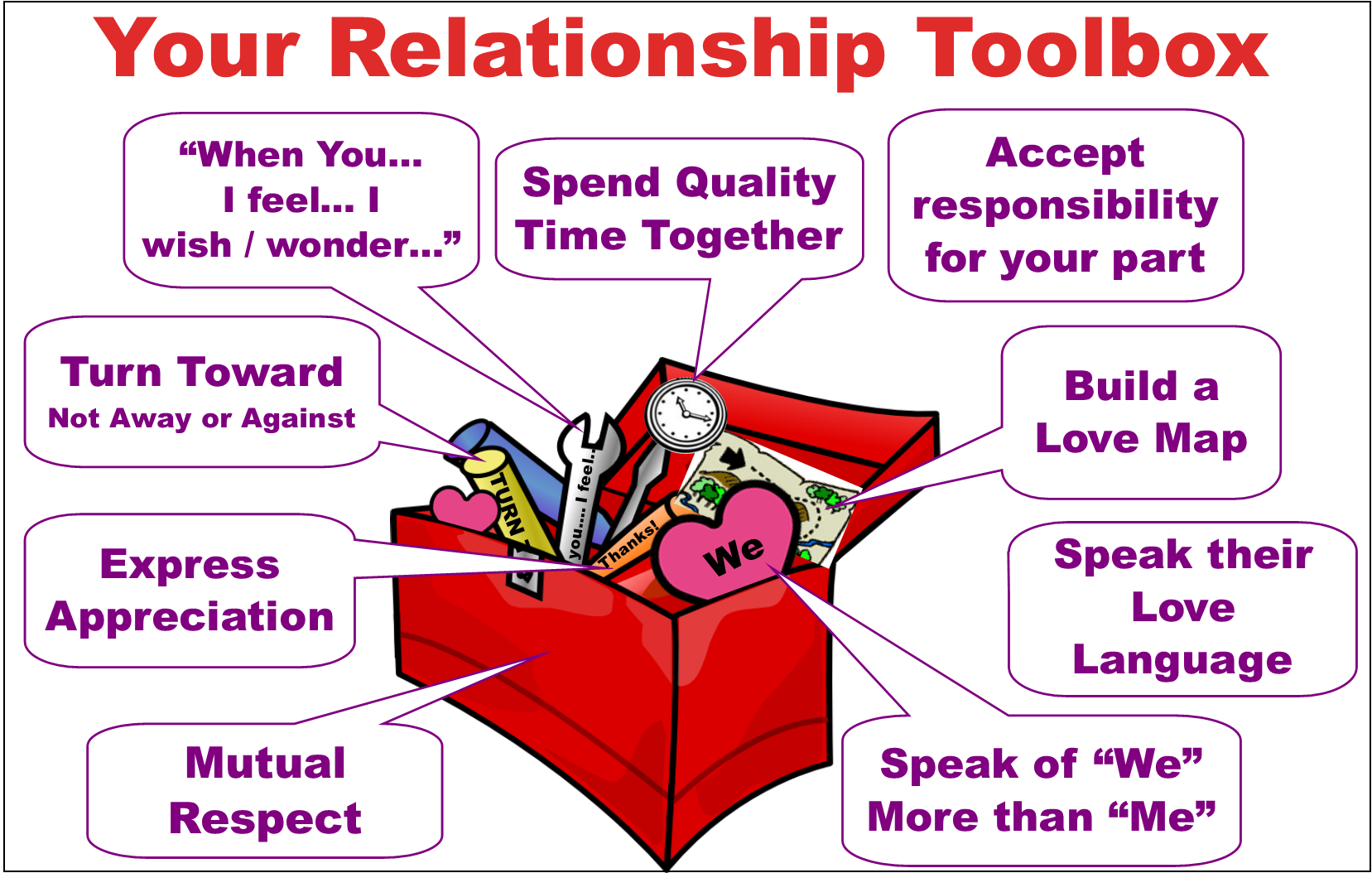
When I use these in class, I say they are all skills that can be used to build, maintain, or repair relationships. I say that they are applicable to any relationship: partner, child, friend, co-worker, neighbor, and then I am sure to give examples from each of these types of relationship so it is relevant to anyone no matter their relationship status.
- Relationship toolbox Handout. One sheet summary of relationship skills.
- Relationships. One page summary of relationship skills. (A reduced version of the Relationship toolbox handout.)
- Love Languages Quiz – a quiz students complete to determine what love language they “speak” and what love language they “hear”. Based on Gary Chapman’s ideas. It also explains how to apply the love languages to the couple relationship. Here is a supplement to that handout on learning about and speaking your child’s love language.
- Appreciation – a handout on ways to communicate appreciation to our partners and others. Some ideas from Jennifer Louden, some from Gay and Katie Hendricks.
- Conflict Resolution Worksheet uses ideas from Marshall Rosenberg’s compassionate communication and Dennis Adam’s book Honest, Direct, Respectful. Recommends the script “When [problem behavior], I feel [emotion], I wish / want / wonder…”
- Finding Time Together and coming up with ideas for how to use it. This one is specific to a romantic couple relationship, not applicable to others.
- Bids and Turns – based on John Gottman’s research about the ways partners respond to bids for connection – by turning away, turning against, or turning toward.
Self Care:
- Self Care Suggestions – some ideas for what to try
- Stress And Parenting
- Time for Self Care – how to find time when caring for a young child
- Pie exercise for examining work-life balance
Activities for Toddlers and Children
Don’t miss:
- My “Fun with Toddlers” series – a collection of handouts with songs, books, crafts, and sensory activities that tie into seasonal themes and favorite toddler themes.
- My Cheap Dates with Toddlers series – a collection of blog posts with simple suggestions of free or cheap activities to do with little ones. Some are focused on the Seattle area, but most are universal.
- A webpage of Favorite Songs for toddlers, with links to lyrics, and videos.
- And LOTS more music time resources: more songs, ukulele lessons, books that sing, and lesson plans for group times
- My Inventors of Tomorrow blog: hands-on STEM learning for kids ages 3 – 6. Lots of easy, fun, cheap ways to teach science at home or in the classroom.
Resource for Seattle area professionals
I would love to encourage you to refer clients to the parent education programs at our community colleges! These programs serve families with kids birth to 5. For children, classes offer hands-on learning, discovery and play. For adults, they offer on-going education on all topics related to parenting and also offer connections to other parents.
To make it easy to refer, I’ve designed handouts for you! These are handouts for use by childbirth educators, doulas, doctors and midwives, preschool teachers, therapists, and anyone who works with parents of babies and young children. Your options: 2 page handout for parents of all ages of kids. The 1 pager for expectant/new parents.
Copyright and Payment Information
Copyright: All the materials on this site were written by me, Janelle Durham.
Fair Use: You cannot sell these materials. You are welcome to use the materials in a class where students have paid for the class, or in other settings where you are paid for your work. You may print them, send them with emails or link them from your website.
Using Excerpts: If you cut and paste substantial information from my website, please cite me as the author and include a link to the webpage where it was found.
Payment: All of these materials are available to use free of charge.
 More Good Days with Kids
Pingback: Recommended Parenting Books | More Good Days - Parenting Blog
Pingback: Top Ten Posts of 2016 | More Good Days - Parenting Blog
Pingback: Earthquake Preparedness | More Good Days - Parenting Blog
Pingback: Top/Best Posts of 2017 – More Good Days – Parenting Blog
Pingback: Talking with Children about Sexuality – More Good Days – Parenting Blog
Pingback: Consequences | More Good Days – Parenting Blog
Pingback: Positive Discipline: Telling Your Child What TO DO | More Good Days – Parenting Blog
Pingback: Self Discipline and Impulse Control | More Good Days – Parenting Blog
Pingback: Child Development and Early Literacy | More Good Days – Parenting Blog
Pingback: Teaching Engineering to kids age 1 – 6 – Inventors of Tomorrow
You are doing a great work Janelle…!!
Can I tell you that I learned a ton from this!!! So much good info!! Thank you so much for this awesome resource!!!
Thank you making all this available. It has been very helpful with sharing with parents.
Pingback: Updated Resources | More Good Days with Kids