Tag Archives: Anger

Resolution

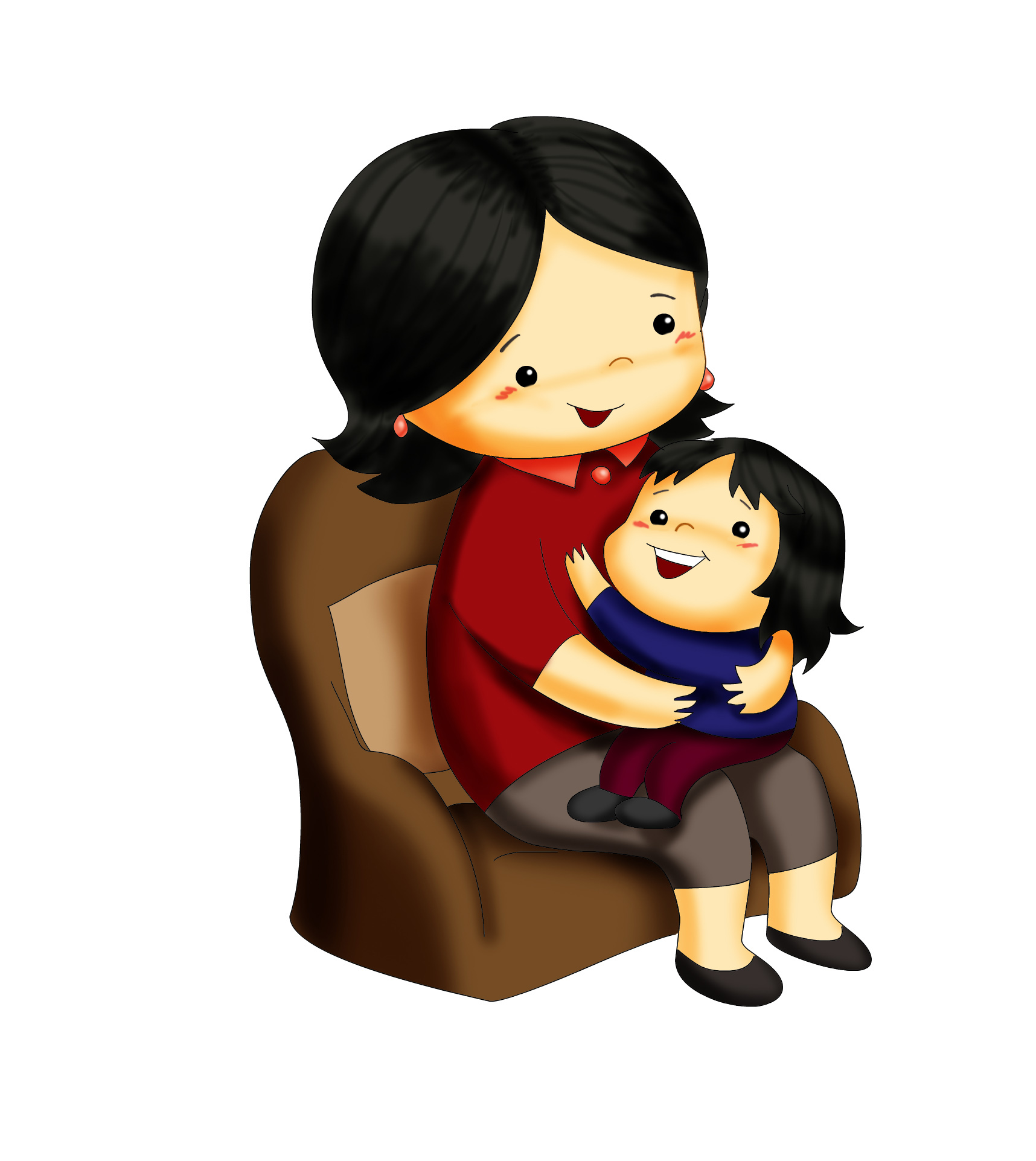
hugThis is my final post in a week-long series about Parental Anger.

It’s about picking up the pieces and moving on after you had a parental meltdown

If you were angry in front of your child,then when you’re calmed down later on, talk about that situation. Explain that you were angry, but it wasn’t their fault. Apologize if needed. Say it was OK that you have that emotion, but the way you were expressing it was not OK. Tell them you will try to handle it better in the future. (For older children: ask them for ideas on how they calm themselves down.) This helps them see that we all make mistakes.

If you were angry at your child, apologize for directing anger at them. However, if they had misbehaved, and it was appropriate for you to set a limit for them, you can and should still set that limit. You just do it from a calmer place… In other words, you don’t change the rules because you feel guilty for being angry! You calmly reinforce the rule, saying “I’m sorry that I yelled at you, but what you did was against our family rules and I can’t let you do that.”

If you fought with your partner in front of your child, be sure to let them know that you have resolved the argument and that things are OK now between you and your partner.

Re-connect. Do something fun or relaxing with your family to heal the stress.

———

illustration: http://www.freeimages.com/photo/1386612

Fighting in Front of the Kids

fight[This is part of a week long series on Parental Anger.]

Many of today’s parents grew up in families (or knew families) who didn’t handle conflict well and they want to learn how to handle conflict better around their kids.

It is unhealthy for kids to be around their parents’ fights if the parents are hostile or threatening, insulting each other, dragging up every example of wrong-doing from the whole relationship, or storming away in anger. This sort of family conflict is associated with guilt and shame, depression, withdrawal, anxiety disorders, aggression and impulse control issues. Sulking, the silent treatment and the cold shoulder are just as hard on kids. They sense the tension and know something is wrong, but they don’t know what is wrong, and whether it’s their fault. If you’re in a relationship where these kinds of fights are common, your children would benefit from you seeking counseling and support now to resolve some of these issues.

On the other hand, if parents have a healthy relationship and argue in a healthy way, that can actually benefit the kids. If you’re respectful and loving toward each other even in an argument, if you stay focused on the current issue, and if you resolve things before walking away, this can show your kids that people can disagree, even when they love and respect each other, and then work out their differences in a constructive manner. They learn that negotiation, compromise, and resolution are possible.

Things to keep in mind:

  • Some topics are off-limits in front of the kids (like your romantic / sexual relationship.)
  • Don’t argue about the kids or about parenting issues in front of the kids. It’s very important to resolve issues out of their view so you can present a united front to them.
  • If you notice that your arguments start off civil, and then escalate upwards, make a plan. Set an anger cut-off point. On an anger scale of one to ten, when do you start to lose control and behave inappropriately? If you’re in a disagreement with your partner, and notice you’re nearing that cut-off point, call a time-out. Table the argument for another time. Or set a time limit on arguments, after which you walk away to calm down and come back to it later. Watch your children for cues that it’s too much: they cry, become clingy, freeze in place, look withdrawn or depressed. They may also misbehave to draw you away from the argument, or try to peace keep. If you do call a time-out, be sure to go back to it later, resolve the argument, and let your kids know that you resolved it.
  • Children interpret your arguments within the full context of your relationship. If you have a warm, supportive, loving relationship despite arguments, that will shine through.

Family that Fights Together: www.wsj.com/articles/SB10001424052702304213904579093151181560622

When Mom and Dad Disagree: www.nbcnews.com/id/29959807/ns/health-childrens_health/t/how-dare-you-when-mom-dad-disagree/#.VVwUcUY2ekI

For ideas for relationship skills for building a healthy relationship, check out: https://gooddayswithkids.com/category/parenting-skills/relationships/

Photo: http://www.freeimages.com/photo/1185567

What if you’re angry at your child?

screamThis is part of a week-long series on Parental Anger.

People often tell me that when they get angry at their kids, they feel like bad parents.

It’s important for parents to realize: It’s normal and OK for you to sometimes get mad at almost anyone – and especially at people who you spend many hours a week with and who often make unreasonable demands of you!

Here are some things to think about when you find yourself angry at your child:

  • Are your expectations appropriate? If you find yourself saying “Kids your age are supposed to do X. Why don’t you?” or “no matter how hard I try, I can’t make my kid do Y…” that shows you have an assumption about what they’re developmentally capable of. Check resources on child development to make sure you’re right and not holding them to an impossible standard.
    • For example, the leading trigger for child abuse is potty training accidents. Parents often think their child should be potty trained much younger than they are really developmentally capable. The average child doesn’t potty train till around 30 months, yet every year there are many reports of toileting related abuse at 20 – 24 months. It’s unfair to expect more out of a child than they’re capable of!
    • Also know that children’s developmental capabilities regress when they’re upset. Although your three year old might normally understand language quite well and might normally be capable of making a choice between 3 options, you may find that when they’re in the middle of an emotional meltdown, they can’t understand words and they can’t make choices.
  • Is this a phase? There are predictable periods in children’s lives where they are going through lots of developmental changes – called “periods of disequilibrium”. They tend to be pretty hard to live with at these times. Seek extra support to help you through this rough patch.
  • Are they testing you? It’s normal for all kids, especially toddlers and teenagers, to test their limits. It’s how they learn the rules. But it can be exhausting and infuriating when they do the same thing over and over even when “they know it’s wrong”. Over-reacting to this testing and getting angry may make the testing worse, as they discover they have power over you and can make you lose your cool. Instead, calmly and consistently reinforce limits. Describe the consequences they will face if the behavior repeats, and then follow through.
  • What’s your attitude toward discipline? If you think it’s about making the child do whatever you tell them to do, you’re setting yourself up for some battles of will. If you think of it as guiding your child to behave as well as possible, and having high expectations, but also knowing that some days they won’t meet them, you may be more successful.
  • Is your child just trying to get your attention? How does your child feel right now? Are they angry themselves? Scared? Lonely? Try to empathize with what the need.
  • Are you really angry at your child or are you angry at someone / something else? We sometimes have “spill over” anger. We’re mad at our partners, or mad about something at work, or mad that we’re late due to a traffic jam. And our child does something minor that makes us explode and take out our anger on them. Try to catch this when it’s happening, and if you can’t, go back to your child later and apologize to them.

If you have let your anger out and yelled at your child, there’s some healing and resolution to do. Check out this post.

Learn more about handling anger at a child: http://www.ahaparenting.com/parenting-tools/positive-discipline/handling-anger

Photo: http://www.freeimages.com/photo/579286

Defusing Your Anger

journalThis is part of a week-long series on Parental Anger. So far, we’ve talked about the fact that anger is normal and doesn’t make you a bad parent, ways to prevent parental meltdowns, and ways to calm yourself in the moment. Today we’ll talk about how to process those emotions when you’re not upset.

  • After you calm down – some time in the day or two after a meltdown, spend some time reflecting on the situation.
    • What about the situation made you angry? (Often there’s some other real issue hiding under the issue of the moment. The precise situation that set you off might have just been a symptom of a bigger problem.)
    • What feelings are underneath the anger? Some therapists say that anger is a secondary emotion and is usually rooted in one of two primary emotions – fear or sadness / grief. So, if something is making you angry, you may ask yourself: “what am I afraid of?” or “what am I grieving for?”
    • What do you want to change? What are you willing to change?
  • Writing out your thoughts can be a great way to discover what they are!
  • Write a letter (but don’t send it) to the person who made you angry.
  • Find a release. Anger can build up a lot of physical energy that needs a release. Try exercising, punching a pillow, cleaning the house, shredding a piece of paper, cranking up very loud and obnoxious angry music and dancing and yelling along to it.
    • Note: be cautious about doing these things in front of your child… some of them could be worrisome to the child unless you explain calmly what you are doing. “I’ve just got some leftover mad energy I want to get out, so I’m going to punch it into this pillow. I’m not really mad now, but my body still feels like I am, and I’m ready to let that go.”
  • Get your mind off the situation: watch a movie, read a book, work on a project.
  • Anger is a signal that something needs to change. When you’re calm, make the changes that need to be made.

Learn more about handling your anger: www.extension.umn.edu/family/partnering-for-school-success/relationships/dealing-with-your-anger/

Photo: http://www.freeimages.com/photo/1176000