Category Archives: Seattle area

Choosing the Best School / Preschool

On a regular basis, I see posts on social media from parents asking for advice on choosing “the best” preschool, or the best private school in the area, or asking which is the best public school as they plan a move. (And, of course, parents of older children agonize over what is the best college.)

There truly is not a “best” school. There are LOTS of great schools, and some mediocre ones, and a very few bad ones. What’s best is the school that best meets your family’s unique needs and goals, and best suits your child’s unique learning style.

Here are some steps to take to figuring out YOUR best option. (Note: you may also want to check out my post on public school vs. private schools.)

Step 1 – Needs Assessment

Before you bother researching all the options, and before you fall in love with an option that won’t meet your needs, let’s start with the pure nitty gritty essentials:

  • Schedule: Are you looking for full-time or part-time, or are you flexible? If the regular school day isn’t long enough, do they offer extended day care? What days do you need? What wouldn’t work?
  • What times could work for you and what just doesn’t work? (e.g. if you’re not a morning person, choosing a program that starts really early may not be a realistic bet)
  • Location: really think through the commute and whether it will work – I can’t tell you how many parents have chosen what they thought was a great school, but by October were miserable about having a cranky kid in the car in never-ending traffic)
  • Cost: there is a wide range in costs – be realistic about what’s affordable for you. If you stretch your budget, then it can make any little frustration with the school really stressful as you think – “I can’t believe we’re paying this much and this is happening!”
  • For children under age 5 are you looking for drop-off or stay? For younger children, there are often parent-child options where you always stay, or co-ops that are drop off some days and have you work in the classroom on other days. These are generally cheaper than drop-off programs and also allow you to be closely involved in your child’s education.

Step 2 – Goal Setting

What do you hope your child will get out of the experience? Are you hoping for academic development? Social-emotional skill building? Art? Music? Physical education? Science? Religious education?

Are there things that you know you could do a great job of teaching your kids? If so, then it may not matter whether the school covers that well. Is there something you think you won’t be good at teaching? Choose a school that does it well.

Do you prefer a very structured teacher-led program? Or more of a play-based or inquiry-based program where the teacher works the lesson plans around the children’s interests? How do you feel about homework – are you happy to guide practice time at home for them to improve on their skills? Or would you like out of school time to be free choice for your family?

Is the school’s approach to learning compatible with yours? When our oldest was little, we looked at one school which discouraged use of technology and screens, and actually discouraged reading before age 7, instead focusing on things like oral story-telling. This did not work for our tech-heavy family and also didn’t make sense because my kids all learn to read by age 3 or 4. (Not because we drill them… but because we love books so much in our family that they couldn’t wait to read themselves.) We looked at another school where there were only non-fiction books on the shelf in the kindergarten classroom, and I asked “where are the story books?” They disdainfully said “they have plenty of time for that sort of reading at home…” I knew that wasn’t the school for us!

Take a good look at your child’s temperament and learning style. I had a very social chatty child, and we looked at one school where the children were expected to work quietly and independently and not talk with each other. Not a good match for that child. I had a high energy child who tended to get overstimulated in indoor classrooms, but stayed calm and happy outdoors, so we sent him to outdoor preschool. You want to choose a school where your child will feel competent and valued, not one where they never fit in.

During goal setting, it’s also worth asking: What do you hope to get out of their school experience? Some preschools and schools offer parent education and support. Some actively work to encourage community building amongst families. Cooperative preschools and home school co-ops are the ultimate example of involving parents in school in meaningful ways. On the other hand, some parents may prefer to outsource school, and have a pretty hands-off approach, and there are certainly schools that will also support that.

Step 3 – Learn about Your Options

OK, now it’s time to turn to the internet and social media.

In Facebook groups for parents, you probably don’t even need to ask a question – you can typically search the archives for preschool or school, because probably 50 people before you have asked “what’s the best school” and you can just read through all those answers! Once you have really specific questions about a program, these groups can help connect you with parents who know that answer.

You can look at Yelp and Google reviews and such – but, as always with reviews, you’ll see a lot of 5 stars and a lot of 1 stars and nothing in between. People only bother to write reviews when they’re really happy or really mad. So, reviews never tell the whole story. But, they can give you some hints of what to watch for. For elementary schools, you may be able to find school rankings, which compare them and purport to rate the best ones highest. Always be aware of what criteria they use in their ratings and decide whether it is relevant to you. And if their primary criteria is standardized test scores, please know that high test scores are tightly correlated to high income parents who may fund enrichment classes and private tutors for their child and those scores may not indicate the quality of the school itself.

Look for directories, and look for school fairs and preschool fairs, or special issues of local parenting magazines. For example, in the Seattle area, for preschools, you’ll find the directory for the ParentMap preschool fair and the preschool night at Lake WA Toddler Group. For private schools, here is the directory for NW Association of Independent Schools and Puget Sound Independent Schools.

Once you’ve got the names of schools, it’s easy to do lots of internet research on them. Check out their websites. Don’t just read the words, but also look for what’s NOT said. (For example, in my experience, if they don’t tell you the tuition up front, it’s probably high.) Look for what the pictures show, and what’s missing in the pictures. (For example, many schools try to portray diversity in their photographs to let folks know that everyone is welcome, but sometimes you’ll notice that it’s the same few kids appearing over and over in several photos. That may mean the school is welcoming of diversity, but when BIPOC kids came, there may not yet be many peers for them.)

Look at ads. But note: you may see a ton of ads for one school that make you think they’re great, but it could just be they’re a big school with a big marketing budget (and likely high tuition to support that). Some really great small schools never run ads, because they’re trying to keep costs low to increase accessibility for families. They count on word of mouth – current and alumni families who had great experiences and tell their friends and family.

So, that leads to your best source of options: word of mouth. Ask friends, family, co-workers, neighbors, parents at the park! If you ask on social media, instead of just saying “what’s a great school”, be specific. For example, say “we’re looking for a part-time, play-based, affordable preschool – what do you recommend?” Or whatever other criteria you want to state. That makes sure the recommendations you get are relevant to you.

Step 4 – Questions to Research

What do they teach? What would your child learn there?

What is the daily schedule? How is time divided between activities? Play time? Quiet time? Outdoors? Snack? Young children have short attention spans for structured activity, so it’s best in short doses, with plenty of unstructured time in between to explore and discover, and quiet time to process what they’ve learned.

How do they teach it?

A couple big picture ideas: A teacher-led curriculum means the teacher always prepares the lessons in advance (and may use a standardized curriculum) and sticks to them. A child-led curriculum (a.k.a. emergent or constructivist) follows the children’s interests and adapts to what the children want to do.

A structured class might use group time, worksheets, and formal instruction to teach particular skills. Students may be drilled in the basics, or asked to practice things over and over. A play-based class typically has multiple stations set up and allows children to move between things when they choose. The teacher moves around the room, making suggestions and observations, and asking questions to further the learning.

Who are the students?

  • How many students? How many teachers? The number of kids matters as much as student to teacher ratio. A 8 student class with 1 teacher (8:1 ratio) feels very different from a 16 student class with 2 teachers (8:1). And a 24 kid class is really different from a 6 kid class no matter the ratios.
  • What is the age range of the class? Some parents prefer that all the kids be as close as possible in age, but many programs tout the benefits of multi-age classrooms. The oldest kids have a chance to lead and mentor, and the younger ones benefit by the presence of an older role model.
  • What are the cut-off dates for age? Your child will do best when they’re in the middle of the recommended age range. If your child is a fall baby (born in September or October), I do NOT recommend trying to push them ahead… if they’re the youngest child in their class, they’ll always feel small, slow, and socially behind, even if they can keep up academically. (Learn more.) Let them be the oldest – it’s a confidence booster. If they need more academic challenge than their classmates, most teachers are happy to give extra challenges to kids who can handle it.

Who are the teachers?

  • Training and experience: Where and how did they learn the content that they are teaching in the class? Where did they learn about how to teach? Do they participate in continuing education?
  • Longevity / turnover. As a general rule, the longer the teachers have been there the better. (Unless you get the sense that they’re burned out and only there due to inertia….)
  • Do they enjoy kids? Do they sit on the floor with the kids, smile, and engage with them? Or are they standing on the edges talking to other adults, occasionally calling out instructions to a child?
  • How do they handle discipline?What are their rules and how do they reinforce them?

What is the learning environment like?

  • Is the environment clean? Safe?
  • Is there a wide range of materials and supplies? Are materials in good condition?
  • Vibe:  The most important thing you’re “looking” for is something you can’t see. How does it feel? Is it warm, nurturing, full of exciting learning experiences, and full of happy children and teachers? Or is it cold, institutional, uninvolved?

What is the parent experience?

OK, now it’s time to go back to social media with specific questions: “We’re trying to decide between X School and Y School. We’d love to connect to parents who have recent experience with them – we’re especially curious about _____.”

Step 5 – Go With Your Gut

We know from the science of brain development that children learn best when they feel safe and are happy, so look for a place where they will be happy and engaged. Look for a place where you would feel great every time you drop them off to spend time there. Our family has been lucky to participate in some schools where I just felt blessed to have found that environment for my child.

So, all the steps above are logical and focus on practical evaluations. But I think this final decision point often comes down to what feels right to you? That’s the best school.

Learn more:

WildLanterns at the Zoo

Woodland Park Zoo in Seattle has a new winter-season light display called WildLanterns. The displays are absolutely gorgeous, and walking around the zoo after dark looking at the lanterns made for a special evening for our family in a year with few new and inspiring experiences. I would recommend it for people of any age, although since walking the whole experience takes almost two hours, toddlers and preschoolers may not have as much patience for it as older children and adults.

The Experience

When you arrive, you get into a long but fast-moving socially distanced line. They scan your ticket, and in you go. Most of the time, you’ll be walking along the paths, gazing at the lantern displays around you. There are a few animal exhibits open (the penguins, the meerkats and bats – though the meerkats are diurnal and were all sleeping and the bats were hard to see.)

Everywhere you look, there are beautiful scenes.

There are A LOT of displays!! As you walk down the path by the carousel, there’s otters, then lions, then eagles, then wolves, then orca, one after another after another. And in every area, there are a LOT of every animal. For example, in the panda display, there were at least 28 pandas! We were amazed at how many items were on display. Here are a few photos of some details I particularly liked.

Some animals have moving parts – like a lion’s tail that waves, eagle wings that flap, and more. One of the highlights, when you first enter, near the penguins is a peacock whose tail is lifted with hydraulics for an incredible display – check out the video below. It was fun to watch the children’s delight when the tail came up.

The visuals are great. I think the one thing about the event I would improve is the audio experience. There was music playing – just low key environmental music – it was fine and pleasant but not inspiring. Also, it could have been louder. It was a comfortable volume standing right in front of a speaker, but faded to pretty quiet when you were between speakers. You can hear the music in this walk-through video: https://www.youtube.com/watch?v=rsSkMTk0hsg

We walked the Living Northwest loop, then through the Jungle Lights zone fairly quickly (since we knew we’d be back, and it was the most crowded area, then Seamazium with an underwater theme, then the African Savanna zone, then a desert area, then back through Jungle Lights.

It is beautiful, and a festive winter event, but I think it’s worth noting that it is not a “winter holidays” event. You will not hear Christmas music or see a lit-up dreidel or a solstice celebration. If you’re specifically hoping for Christmas theme, you may want to try another special event.

Interactive Zones

Near the south entrance, there is a tree surrounded by lit up stars on the ground. If you step on them, they make musical notes! Near there, in the African village, you’ll find a lit up piano to walk on. (A staff person makes sure people line up nicely and enter the area one household at a time.) On the Jungle Lights path, there’s an area with a cool lit-up tunnel to walk into, and a photo opp with angel wings and a halo (my son doesn’t appear to have a halo in this picture… hmmm….)

Also in that area is my favorite thing of the whole event: there are bubble blowing machines that must dip into dry ice, so they blow streams of these cool opaque bubbles, and when the bubbles pop, they release clouds of gas. You’ll see them in the video below. (Note, the bubbles were the most challenging place to maintain social distancing, because we all wanted to crowd together in the stream of bubbles. There were lots of playful giggles from the children, and delighted sounds from adults too.)

The Logistics

WildLanterns will be held November 13, 2020 – January 17, 2021, from 4:00 – 8:30 p.m. They are closed Mondays and November 26 and December 24 & 25.

Scheduling

You MUST purchase your tickets in advance. They are for a specific day and for a specific entry time. (For example, we had tickets for 7:00 pm on Saturday 11/28. We were asked not to arrive before 6:55, and not to arrive after 7:30 pm.) Once you arrive, you can spend as long as you choose there. We walked at a leisurely pace through all exhibits, stopped for a quick snack and a bathroom break and it took us one hour 45 minutes.

Ours was the last timeslot of the day, and I recommend that for adults or those whose children have later bed times. When we first arrived, we did the “Living Northwest” loop and Jungle Lights, and on Jungle Lights, there were times where it felt a little too crowded for my COVID comfort. (i.e. there were people who passed within 12 feet of me.) And there was a long line for the interactive area. But by the time we were moving through Seamazium and the African Savannah, there was hardly anyone else around. When we passed by the Jungle Lights interactive area again (at 15 minutes till zoo closing time) we were some of the very few people left.

If you want to minimize the number of people there when you attend, I’m sure weekdays are slower than the Saturday night of Thanksgiving weekend was. And January will almost certainly be slower than December.

Cost

It’s $28.95 per adult (13+). $23.95 for children ages 3 – 12. Toddlers 2 and under are free. Parking is $4. If that seems steep to you, I ask you to consider two things: First, remember that you’re supporting the zoo during a year of financial hardship for them and all public exhibitions. Second, there’s not a lot of other holiday activities to spend money on this year, so it’s a great year to check out this event. Some other year you’ll spend your holiday event budget on the Nutcracker. This can be your special event this season.

Weather

WildLanterns is a rain or shine event—there will be no ticket refunds for weather. The night we were there was a clear night with no wind or rain. It was in the mid 40’s when we arrived, and 40 when we left.

I was wearing flannel-lined jeans, a coat, lightweight gloves, lightweight earmuffs, and my mask and was very comfortable the whole time.

If it’s a rainy night, wear rain gear and bring an umbrella! The only places I remember where you could have gotten out of the rain were: the covered seating under the tent by Gather and Graze (for those who are eating), the building in the African Savannah, and the meerkat exhibit, and you can’t be in either of those places for very long due to COVID requirements to keep distanced.

There were some fire pits in a few places around the zoo. They ask that you only gather at them with members of your own household, and then move on to let others use them. They were good for warming your hands over if you held them close to the flame, but they weren’t body warming intensity.

Food and Beverages

There were snacks in the North Meadow, Gather and Graze, and at the south end of the zoo. I saw: popcorn, hot pretzels, cotton candy, hot drinks. There may have been more, but we’d eaten dinner just before coming, so we didn’t look closely. You can also bring your own food. All food must be eaten in designated areas and cannot be consumed all around the zoo (because you need to remove your mask to eat.)

COVID Precautions

Everyone over the age of 5 is required to wear a mask properly. Children age 2 to 5 are encouraged to wear masks. You are asked to stay at least 6 feet apart from other guests. We were able to maintain this almost the whole time, but around the bubbles at the interactive exhibit, children were running and playing in the bubbles and were closer, and people also crowded around the peacock, although there was no need to, as you could watch easily from a long ways away. The Jungle Lights path is the most crowded area, as the two loops overlap there. Bathrooms were open, but I didn’t use them, so can’t report anything there. No strollers are available for rent (bring your own) but you can rent a wheelchair.

More Activities

If you’re looking for more lovely winter walks in King County, check out my post on low-contact parks on the Eastside, which highlights some lesser known gems that are rarely crowded – helpful in COVID times. If you have children under the age of five, I highly recommend you check out the parent education programs offered by all our community college programs – fun learning for your kids, and social connections and support for you in these isolating times. Some are in-person now, many are online only. (If you’re dubious about online learning for young children check out this article on online preschool.)

McAuliffe Park – Kirkland

20200614_221255502_iOS

After 30 years on the Eastside, and 6 in Kirkland, I had never been to McAuliffe park. I’d driven by on 116th countless times, but from the road, it didn’t look like much, so I never stopped in. But then on the Kirkland Rocks Facebook page, people would often post that they’d hidden beautiful painted rocks at McAuliffe for kids to find. So, finally we went. And this park is a unique gem!

It’s at 10824 NE 116th Street; halfway between Totem Lake and Juanita Village.

It’s 11.6 acres, with lots and lots of wide open lawn, shady orchard trees to throw out a picnic blanket below, a playground, picnic tables, nature trails, a community pea patch with 35 plots, an antique barn, 2 windmills, and lots of ancient rusted farm equipment and old gas station memorabilia to explore.

The community learning garden features permaculture principles, annual vegetables grown with organic practices, a new rain garden, and water and resource conservation. The Tilth Alliance offer classes at the park.

The property was homesteaded in 1877, and only two families owned it between that time and when the Kirkland Parks department acquired it in a series of purchases from the 1990’s through 2017. Read more (and see more pictures) on Active Rain, and in the Master Plan report. (Note: the master plan from 2005 had grand visions for the site, but it does not appear most of them were implemented.

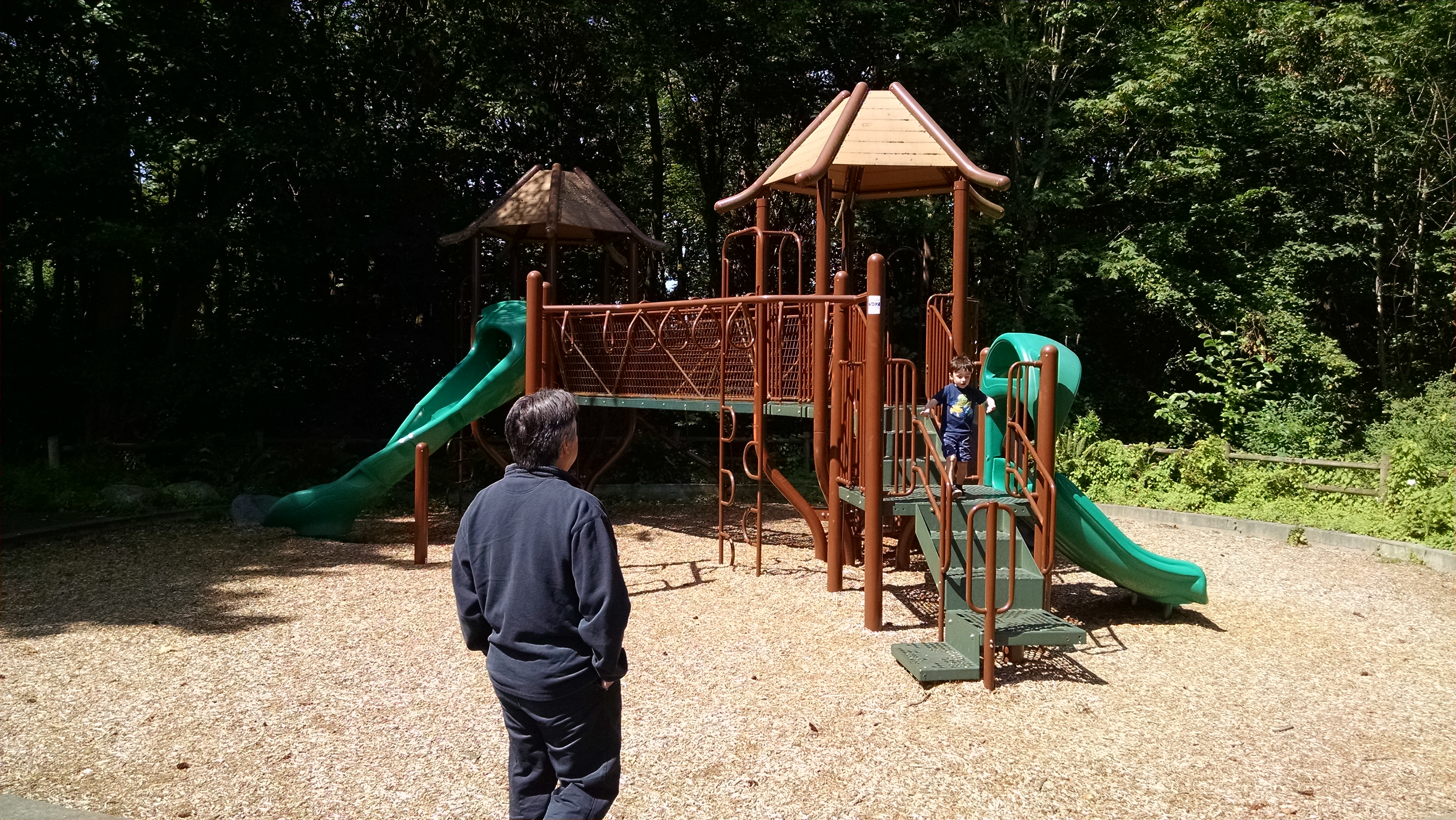
We visited in the midst of coronavirus season, and there were maybe 30 people we saw there, spread out over 12 acres, so easy to socially distance! The playground was closed when we were there, due to quarantine, but people were hard at work in their plots in the community garden, and a few families were relaxing in the shade. It struck me as a great place to take 3 – 8 year old children where the parent(s) could sit and relax and the kids could run quite a ways, and play while still being safely in the parents’ sight. There’s even some nice low climbing trees.
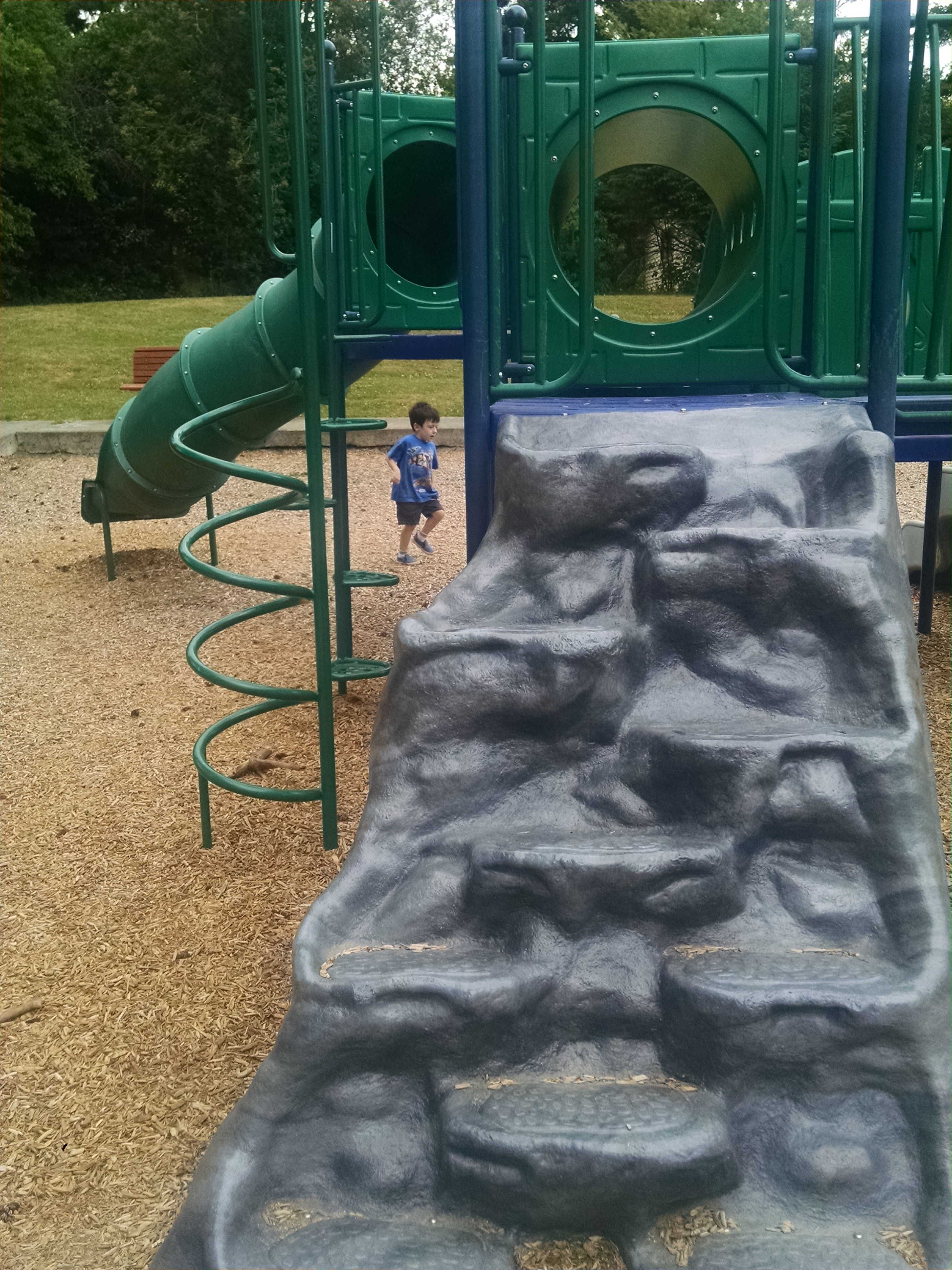
It’s a park well worth visiting when you’re in the mood for a little wandering around and exploring or a little sitting under a tree reading a good book.


What’s the Best Summer Camp?

20180803_222448381_ios

Each year around this time, parents start asking me about summer camp. They want to know which are the best ones. Just like with choosing preschool, I can’t give you a simple answer. Because what’s “best” depends on what your needs or goals are.

So, I recommend that before you look at camps, you first answer these questions for yourself. [Note: at the bottom of this post, I recommend camps my family has enjoyed on Seattle’s Eastside, so local folks may want to check those out!]

Needs

What are your basic logistical needs?

  • Scope: Do you need full-time care all summer while you work? Or full-time care for a few weeks so you can focus on adult projects? Or part-time enrichment camps that leave the afternoons for free play? (I know families that when they visit the grandparents, they enroll the children in a part-time day camp, which may be more fun than hanging out at the grandparents’ house all day, and allows the adults some time to do adult activities.)
  • Schedule: What time would it work for you to drop off? What time can you pick up?
  • Location: I’ve often enrolled my kids in camps that are quite a ways from home. (Like wilderness camps and farm camps that were both about 40 minutes from our suburban house.) It works for me, because I just bring my laptop and while they’re at camp, I sit at nearby parks or coffee shops and get my work done. But you may prefer to stick closer to home or your workplace.
  • Cost: Costs range a lot! And it’s hard to compare costs between camps, as some camps are 5 hours long, some 6, some 7…  For example, even within the one Parks department, for a 7 year old, the hourly cost could be anywhere between: $9 per hour for theater or ballet camp to $11.50 for Lego/STEM to $22 per hour for pottery camp (high materials cost, I’m assuming.) If you need full-time care, the hourly cost matters. If you’re just looking for an activity focus for a week, and don’t necessarily need 6 – 8 hours of child care, maybe the total cost is more important. The Lego camp is $400 a week (9 – 4 each day), and the pottery camp is $242 a week (10 am – 12:30 pm).
  • Age requirements. There are plenty of camps for age 6 – 12. It’s harder to find camps for little ones, and if you do, they tend to be EITHER full-time child care OR very short – a few hours at a time.

Goals

The next question is what are your goals for having a child attend summer camp?

  • Is it just about child care while working? You may choose to have them attend the same camp every week all summer because having that routine is easiest for you.
  • Is it about summer fun? You may choose camps that emphasize being outdoors and playing, or you may send your kid to the same camps their buddies are going to so they have built-in friends.
  • If you want to expose your child to lots of different activities to broaden their life experience, you may dabble through a: farm camp, wilderness camp, theatre camp, art camp, science camp, and multi-sports camp all in one summer.
  • Is there something you want your child to learn that you’re not able to teach? (Bike camp for me!)
  • Do you want a church-based camp, or a scouting camp?
  • Or do you want a family camp that you can ALL attend together?

Each family may have unique goals for each child.

Limitations: You should also keep in mind if your child has limits to what they can do. My youngest is autistic. He’s also very bright, so he can do so well at a camp that the staff  never realizes his challenges. But he has limits… and when he passes those limits, he has giant meltdowns. So, he does best when I enroll him in half day camps, not full day, and when he is one of the oldest kids in the program rather than one of the youngest so the social/emotional expectations are set at a lower developmental level. Know your child, and choose camps that set them up for success. (Note: there are camps that offer a few sessions each summer that are sensory friendly and have higher staffing levels, and there are also specialty camps that are solely for kids on the spectrum and that really focus on social/emotional skills – those can be a good match for some families’ needs.)

Research your options

Check out your parks department, and those in neighboring cities. Check the Boys & Girls Club, Campfire, Boy Scouts and Girl Scouts. They tend to offer LOTS of different camps, in lots of interest areas and locations and may be fairly affordable options.

Your city may have a summer camp fair (in the Seattle area, ParentMap has offered camp fairs in February and March where you can discover lots of options for summer camps). 6 Crickets is a camp directory. Check ads in local parenting magazines – but  there are lots more great programs that can’t afford to advertise, so also get word-of-mouth recommendations. Ask your friends, family, parents of your kids’ friends, and parents at the playground about what camps they have loved (or not).

Once you’ve collected names of interesting options, you can do your research online to learn more. Look at their websites and Facebook pages, and also search to see what else other people say about them online. (Always remember with online reviews, the people most likely to submit a review are the ones who are mad about a bad experience – anger motivates action. They’ll mark one star. The second most likely are the ones who had unusually amazing experiences they want to share in five star reviews. But there may be 100’s of other people who had perfectly fine experiences who don’t get around to posting their 4 to 5 star reviews.)

Questions to Ask

Things to look for when you’re researching your options:

  • What is the typical schedule for the day?
  • How much is structured activity and how much is free play?
  • What activities does your child participate in?
  • How many children attend? What is their adult to child staff ratio?
  • What experience / training do those adults have? (Note: the vast majority of staff at ALL summer camps are college students, age 17 – 22, with one or two years of summer camp experience.)
  • What backup staff is available in case unexpected challenges arise at a camp site? You may not be able to find this info online, but it’s helpful if they do have this. (I had one camp we went to the first week of their season and it was the first year they’d used that site and the young, inexperienced staff faced some unexpected challenges without experienced folks on-site to back them up… the senior staff got there, but it took them a while – I’m now inclined to choose long-established camps for the beginning of the summer, and save those “start-up” experiences for later in the summer when they’ve worked out the bugs.)
  • Do they have an indoor option in case of weather problems (too wet, or too hot)? I don’t find this a necessity but some parents really don’t want their children out on a really wet or really hot day.

After you go through this process, you’ll have a lot better idea of what you’re looking for in a good summer camp. And one of the nice things about summer camps is that they’re only one week long. It’s a lot less pressure than choosing a school for a full school year. I figure it’s easy to just try it out for a week, and if it’s great, we return every year, if it’s not, it’s a learning experience we move on from.

Camps We Have Liked

Sometimes when I offer parents ‘more questions to ask’ instead of answers to their questions, that can be frustrating. So, here are some recommendations of the “best” summer camps my kids have attended over the years. (All on the Eastside of Seattle metro / King County)

These are  my personal experiences as a parent, not representative of the views of my employers (Bellevue College and Parent Trust for Washington Children.)

My logistical needs for location, cost and schedule were always fairly flexible, so I was able to prioritize my goals of broad learning experiences for my kids. I put them in part-time summer camps most weeks of each summer, because I find I’m the best parent to my kids when I have a few hours to myself each day to work on my projects – that energizes me to come back for a great afternoon with them – going on hikes, swimming, picnics, and more.

Here are camps that my younger child has attended recently and enjoyed (most are camps my older kids also went to years ago.)

  • Studio East. Theatre camps for ages 4 – 19, held at multiple locations in Kirkland. Kids spend a really fun week learning dance, music, lines, and more, and put on a show at the end of the week. Theatre education is also great for social skills, emotional intelligence and teamwork. They really encourage creativity and include kids’ ideas in the experience.
  • Pacific Science Center camps. We’ve tried lots of science camps. PacSci’s are the best, I think, for science learning. They offer lots of themes, in multiple locations throughout King County. Staff is well-trained, and curriculum well-developed. PreK through grade 8. What I don’t love – they’re pretty indoors and pretty structured for a summer camp experience. And most of their camps are full day (9-4). [My child is autistic, and that long of a camp was simply more than he could handle when he was 5 – 8 years old. So, he tended to make it through Monday to Wednesday of a PacSci camp, start melting down on Thursday and on Friday they ask me to take him home partway through the day. I love that they’re starting to note “sensory-friendly” camps on their schedule that are a better match for kids with autism or sensory issues. I wish they’d realize that a shorter schedule would also help.]
  • Wilderness Awareness. Day camps for ages 4 – 13, overnights for 11 – 18. Day camps in Kenmore, Issaquah, Seattle, and Carnation. Nature games, story-telling, songs, hikes in the woods, animal tracking, and more.
  • Pedalheads. Because of my disability, I’m not able to teach my son to ride a bike, so I love having a bike camp option. They offer everything from 60 minute long camps for 2 – 3 year old beginning riders to full day camps for older kids with strong skills. I know many parents who had a 5 or 6 year old who started the week not knowing how to ride, and was riding independently by the end of the week. My son went for one week at age 5 and ended that week still on training wheels. He went for a week at age 6, he could just barely ride without training wheels. But he still had a great time both weeks. Pedalheads also offers a Heroheads sports camp he has taken twice and greatly enjoyed. (The photo at the top was taken there.)
  • Skyhawks offers many sports camps at many sites. Many are focused on a single sport, but I really like their multi-sports camp. Although we’re a physically active family, we don’t really play team sports, so I like that my son gets to spend a couple weeks each summer being trained in baseball, basketball, and soccer skills so that if a buddy on a playground asks him to play he at least has a clue.
  • Family Camp. With my older kids, we thought about attending a family camp, like the YMCA camps at Camp Orkila and Colman, or Cascades Camp, or North Cascades Institute. But, we never did. Then, four years ago, we started attending Eliot, a week-long family camp for Unitarian Universalists. Partway through that first week, I looked at my partner and said “I guess we know what we’ll be doing for one week every July from now on.” It is a joy to spend a week at camp, singing, tie-dyeing, dancing, listening to Harry Potter under a tree, swimming in the lagoon, and re-connecting with people we see every year at camp, who range in age from birth to 90-something. We love family camp!
  • Some cooperative preschools offer a few summer camps each summer for ages 3 – 5. These can be especially helpful for young ones who are just about to start drop-off preschool or kindergarten to get them used to being without you at class. (I teach a summer STEM camp at Bellevue College for 3 – 6 year olds.)

My older kids did some fabulous camps that I haven’t revisited with my youngest, so I don’t have current info on them. But when my kids attended these camps (between about 1998 and 2013), they were fabulous:

  • Wolf Camp – a wilderness skills camp. Day camp for ages 7 – 13 in Issaquah or Puyallup. Overnight camps for age 9 – 17 around Washington State.
  • Shoo Fly Farm – a day camp which captures everything you would imagine summer childhood on a farm to include – take care of and play with farm animals, making butter and jam, tie-dyeing, and swinging on a tire swing. Registration tends to fill by the end of January.
  • DigiPen Academy – their Project Fun camps for k-12 teach programming skills for video game development. My oldest child did them as a teenager. (He’s now a paraeducator. My middle child who did fashion design camps is now a software developer… it’s interesting how our kids turn out!) They are very pricey.
  • Stone Soup Theatre Camp in Seattle, for ages 5 – 15.

Flexible Options:

  • Arena Sports – these win for the most flexible camp option! 5 locations. Half day OR full day, with extended care options, for ages 3 – 12. They play soccer and active games, they play on the bounce house. As a friend once described an activity: “it sweats ’em up good.” We would attend these on weeks when we had plans on some days but had other days free, and I wanted to have my child to have a chance to burn off some energy while I caught up on projects.
  • Steve & Kate’s Camp – It was held on the campus of Bellevue’s The Little School for many years – they’re now at International Friends School. The advantage is their flexibility. It’s a huge age range from pre-K to 7th grade. You don’t need to sign up in advance – once you’ve registered for the year, you just show up there in the morning, whenever you want to for as many days as you want to. And when kids are there, they have virtually complete freedom to choose from many different activities (film-making, bread-making, games, robotics, sewing). It’s a “free range” approach. Works great for many kids – I have a friend who says it’s an incredible opportunity for his daughter to learn skills and use her creativity! But for my kid, he basically sat in the “lounge” reading books all day. It was fine for days I needed child care, but it’s lot more expensive than Arena Sports.

We’ve also done various one-shot camps that were great but we never happened to return to. Like one year I visited friends in Portland for a week while my kids attended Do Jump circus camp. There were summers where my child’s interests of the moment led to Fashion Design or Nature Illustration camp. We  attended several camps sponsored by the zoo and our local parks departments. So, the ones listed here are just a sampling of what our family has done, but there are SO MANY MORE great options out there.

What have I missed? What other camps in King County have you had a good experience with? Add a comment below. (If possible, include with  your recommendation: what ages it’s for, where it’s located, and what you loved about it.)

And if you’d rather just spend time hanging out at parks with your kid, read my posts about local parks, or if you have a toddler too young for camp and need ideas for activities, check out cheap dates with toddlers.

And, a product recommendation to make every day of summer camp easier for you: I LOVE the Solar Buddies sunscreen applicator! (Amazon affiliate link.) You fill it with your favorite sunscreen and then just roll it on. So much faster for me, so many fewer complaints from my son, and I don’t end up going to work with hands all gunked up with sunscreen.

How Halloween Works

stock photo of child trick or treating

Fifty years ago, my husband’s parents moved to the United States and luckily, a co-worker took Jim aside and explained to him what Halloween was, and how trick or treating works. I had neighbors a few years back who weren’t so lucky, and were very confused when my costumed family showed up on their doorstep calling out Trick or Treat! I now work with many families who are newly immigrated to the U.S. so I thought I’d write a primer on how Trick or Treating works, from choosing a costume to how to trick or treat, where to trick or treat (neighborhood, malls, trunk or treat events or office parties), how to welcome trick or treaters at your house, safety issues, and what to do with all that candy! I also include a few recommendations for movies, books, and songs about Halloween.

Choosing a Halloween Costume

If you’ll be trick or treating outside, think ahead about practical things about what the weather will be (do they need to fit a coat under the costume, or wear something that can get wet) and how to ensure your child will be visible to drivers (if your child chooses an all black costume, consider choosing a white treat bag or other accessory that’s visible in the dark). Check out my other post for lots more thoughts on choosing a costume.

Don’t forget a treat bag or container of some sort for collecting candy in. Make sure it’s easy for your kid to carry, easy for them to open up to put candy in, and not easy for them to spill all the candy out of! (Tip: Don’t choose a giant bag. Choose a smaller container, so it’s easy to say “Oh, it looks like your bag is full. It’s time to go home.” There’s only so much candy you want to collect!)

How to trick or treat:

Look for houses that have their porch lights on – that’s the signal that they welcome trick or treaters. Send the children up to the porch (you hover nearby). They ring the doorbell or knock. (If no one answers, move on. But usually they will.) When the host opens the door, the kids say “Trick or Treat!!” Sometimes the host holds out a bowl of candy – kids can reach in and take candy. (This is a good chance for kids to practice their best manners – make sure they know to take just one!!) Sometimes the host holds out a few pieces of candy – the kids hold their treat bags up for the host to put the candy into. Teach your child to always say “Thank you” and “Happy Halloween.”

Sometimes the host will engage them in a lot more conversation like “Oh, I like your costume? What are you dressed up as?” Encourage your child to participate, or move nearer to help them answer. This is a good time for them to practice social skills. On a very rare occasion, when your child says “trick or treat”, the host will say “trick.” Tell your child they could cross their eyes, roll their tongue, balance on one foot or something else.

People ask “What time is trick or treating?” There’s not usually any set time, just the general trend for an area. In the Seattle area, we find that our earliest kids come by at 5:30, and the latest are around 8:30. Aim for the middle of that window, and you’ll be fine. Make sure your kid eats a good dinner before you start! Note: toddlers may only be up to going to a handful of stops before they’re done. The older kids are, the longer they last.

Choosing Where to Trick or Treat

Neighborhood?

My favorite option is to trick or treat in a neighborhood. It’s a fun opportunity to take your child for a walk around the neighborhood after dark, and a rare chance in modern society to at least briefly meet lots of your neighbors.

Which neighborhood to chooseI think it’s lovely when you can do your own neighborhood. When I was a kid, we knew the families with kids, but this was one of our few opportunities to interact with the other families in the neighborhood. In our current neighborhood, we know some families well (the ones with kids), some families a little (the ones who come to the HOA meetings), and there’s a few families that our only interaction with them has been on Halloween nights. I think when neighbors can recognize each other and have some connection to each other, no matter how small, it makes the neighborhood friendlier and safer for all, as we all look out for each other a little bit more.

But, many people live in neighborhoods that are unsafe, or neighborhoods like my in-laws where over the past several years, fewer and fewer houses had their porch lights on each year, so more kids chose to go elsewhere, so fewer kids came, and my in-laws are about to give up on buying candy and turning their porch light on.

If you’re wondering whether your neighborhood will be busy on Halloween night, or if there is somewhere better to go, ask neighbors, ask parents at the playground, or ask on Nextdoor or your neighborhood Facebook group. As a general rule, upper middle class neighborhoods where young families live may be best – lower income areas or areas with older homes are more likely to have retired folks or younger adults who are at work. (Not to say there can’t be great neighborhoods in all demographics!)

For apartment dwellers – Some apartment communities actively encourage trick or treating (you’ll see signs up in the elevators or by the mailboxes, notices in the newsletter, and so on). Some don’t. Some apartment dwellers host trick or treaters even if the apartment doesn’t specifically encourage it, but some don’t participate even when the community does. Keep your ear out for what it seems to be where you live – on Halloween night, there may be a system like: if there are decorations or a sign you can trick or treat there. (Learn more about apartment Halloweens.)

Candy in a bowlSome people who aren’t able to be home for Halloween leave out a bowl of candy. I generally don’t have my kid take any, just because for me, the whole point of Halloween is human interaction, not more candy.

The Mall (or downtown business district)

Lots of malls host a trick or treating event (at the bottom of this post, I list details for my local malls on the Eastside of Seattle). The events may also include live music, clowns, games, face painting, costume contests, or other activities.

In these, you go store to store (participating stores are typically marked in some way like a balloon at the door), and ask for candy.

I’ve found that at some stores, you get a great reception where you do the whole trick or treat routine and the clerk chats about the costume and so on. At other stores, especially the busy ones, the poor harried clerks just kind of point at the candy dish and grunt “take one” and go back to work.

The advantages to a mall event are that the weather doesn’t matter, they’re well-lit, and can feel a lot safer and more predictable than a neighborhood. The disadvantage is that it can feel a little impersonal and consumerist – you’ll go home with a lot of candy, but not much sense of connection.

Trunk or Treat

Some churches or schools sponsor “trunk or treat” events which are often open to the general public. These are “Halloween tailgating parties” where parents or community members park their cars in a parking lot and decorate their backs of their cars, and the kids walk around to the cars to trick or treat. At some events, kids do an activity, like a carnival game, to earn their candy.

I honestly have never been to one, but it sounds like kind of halfway between the other two options – it’s outdoors and has more personal interactions like the neighborhood, but it may feel safer or more contained, like the mall. Since it’s a short walk between cars, it may be easier with little ones than a neighborhood. Also, parents / community members get a chance to socialize instead of being at home alone waiting for trick or treaters to appear. Events may have rules which ban overly scary or grotesque decor which might frighten kids. Here’s an article about how to organize a trunk or treat event. And Pinterest has hundreds of ideas for how to decorate a car for an event.

Office Parties

Some companies host trick or treating in their offices, where the kids go around to desks or offices. This could be a nice chance for your child to meet your co-workers or a partner’s co-workers and see the workplace. Like mall events, I find that some people are excited to greet the kids, and it’s a nice chance to connect. Some are just trying to finish work before a deadline and just kind of wave at the candy bowl and continue working.

Nursing Homes

Some elder care facilities host Halloween events. It’s a nice chance for your child to experience being around older people in a positive way, and can brighten their day.

Welcoming Trick or Treaters at Your Home

If you live in a neighborhood where there’s lots of trick or treating, then when children are younger, it may be easier to stay home and let the fun come to you. Many people without children may also opt to stay home on Halloween and welcome trick or treaters. Or leave one family member home while the rest go out.

Getting the Goods: Buy candy that you like, in case you have leftovers. Only give away items that are individually wrapped. This is not the time to make your own cookies to share. It can be hard to know how much to get – ask your neighbors what typical traffic is in your neighborhood, or ask on Nextdoor or your neighborhood Facebook group. My in-laws buy 6 full size bars and often don’t give those away. We give out about 50 – 70 items. Other neighborhoods I’ve heard may do 200! Find tips below on allergen friendly and eco friendly options for treats.

On Halloween night: Leave your porch light on – that tells people they’re welcome to come ring your doorbell. Adding a few decorations is even more welcoming. Some families play Halloween themed music too. Or bake pumpkin spice cookies – not to give away, but to make the whole neighborhood smell good! Put your pets away – you don’t want to risk them running out the front door, or frightening a child. (If you’re a dog lover with a sweet dog, it can be hard to remember that many children have no experience with dogs or might have had a frightening encounter in the past.) If you run out of candy, turn off your porch light.

For info on what to expect when you open the door, see how to trick or treat above.

Choosing Low Allergen or Non-Food Treats

Consider offering a couple different kinds of candy. For example, if you’re a huge fan of a candy with nuts, offer that, but also offer a nut-free option. Or if you offer milk chocolate, offer a dairy-free option. Or consider a non-food option, since in the United States, 1 in 13 children has a food allergy, some of which are life-threatening. Many of these children participate in the fun of trick or treating, then go home and sort through their candy with their parents for the few pieces that they can eat.
Food Allergy Resource and Education sponsors the Teal Pumpkin project. It raises awareness of food allergies and promotes inclusion of all trick or treaters. It offers an alternative for kids with food allergies and others for whom candy is not an option. To participate, you provide non-food treats, and place a teal pumpkin at your house to signal your participation and to raise awareness. (If you also offer candy, make sure the non-food treats are in a separate bowl to avoid cross-contamination.)

They offer several ideas for non-food treats, as does the Green Halloween site. You can get glow sticks or stickers or such at your local dollar store – or check out your local thrift store for pre-used items to cut down on environmental impact. We gave away Glow In The Dark Balls for Star Wars year, Dinosaur Toys when my son was a triceratops,  jungle Animal Stickers (including tigers) for Calvin & Hobbes theme, and Pokemon Toys when he was Pikachu. The cost has ranged from about 10 cents to 30 cents an item.

Green Halloween

All of this individually wrapped candy or all those non-food consumer goods have a negative impact on the environment. It’s also a really consumerist holiday that’s all about “getting more stuff.”

You can make your Halloween greener by: buying costumes from second-hand stores or participating in costume swaps, re-purposing clothes or dress-up supplies you already own by adding make-up or a few small accessories, using lead-free face paint instead of masks, choosing decorations you can re-use every year rather than buying new, making decorations from recyclable items, composting your pumpkins, selecting treats that are free trade or organic (Green Halloween has recommendations), giving seashells or polished rocks or seeds to plant, or hosting a party to encourage people not to participate in trick or treating.

Hot Beverages

Our family tradition is a little unusual… years ago, we went trick or treating on a very cold night in Snoqualmie, and a family was giving out hot cider to the parents and it was lovely! Years later, we moved to a neighborhood with trick or treaters, to a house with a front porch, and we started our tradition of sitting on the front porch handing out hot chocolate and hot cider to all the parents who come by. (And non-food treats to kids – we’re a teal pumpkin house.) Our decor theme each year is determined by what our son decided to be for Halloween that year.

Because this is not really a common Halloween tradition, people are often surprised when we offer them a drink, but then we end up having some great conversations with them and they almost always take us up on the offer.

I hear rumor that some parents hand out alcoholic beverages to other parents. We don’t, because I’m not into anything involving potential legal liability.

Leaving out a bowl of candy

Some people feel bad about being away from home on Halloween, so will leave out a bowl of candy so no one is disappointed. This can work out very well – some will report that some candy was taken, or will say that their security cameras recorded lots of sweet little kids coming up and taking one candy each. Some report that not only was all their candy taken by one person – the person took the bowl too. 😦

Handling Scary Decor and Costumes

Your child may see costumes or decorations that frighten them. There is a trend toward gory, macabre costumes and decorations, like bloody severed hands and rotting corpses.

Some people argue for the scares:

“It’s about the other side, the dark side, the side of life we as parents would like to pretend doesn’t exist—but it does. It’s about going out into the night and confronting your fears, a little more each year. And what’s better than facing your fears and finding out they’re not as scary as you imagined? It’s like going on a roller coaster. First time: terrifying. Subsequent times: totally fun.”  (Source)

But if you’re the one who has to manage your child’s fears in the moment, or their nightmares and anxieties for the next few weeks, you may not feel so enthusiastic about this trend. Some ways to manage this:

  • before Halloween talk about decorations – maybe even go look at them in stores so your child can see that the skeleton is lifeless plastic. Explain that people will dress up in costumes and show pictures of lots of friendly costumes and a couple scary ones, but emphasize that it’s always just another kid underneath the mask.
  • you and your child could preview the neighborhood you plan to trick or treat in the daytime – seeing the decorations in the light of day can make them less frightening
  • teach your child that if there’s decorations that make them uncomfortable, they can skip that house – we use the phrase “it’s OK to say no when your friends say go”
  • if you and your child are welcoming trick or treaters at your own door, you may want to peek out at the costume first to see whether it’s one that will concern your child before calling the child over to see

Safety

You’re out after dark in neighborhoods that may not typically have many pedestrians, so practice really good pedestrian safety. If anything about a neighborhood or a particular house feels wrong to you, trust your instincts and skip it. Explain to your child why you are doing that – it’s good for them to learn to trust their instincts too. (But please try not to let prejudice enter in here… nothing like “we won’t go to that house because I don’t trust people of that race / religion / orientation…”)

Some parents of upper elementary kids will drive slowly along in the car while the kids trick or treat, keeping an eye on them.

Pre-teens.  If you have a tween who wants to trick or treat with friends without you tagging along: Make sure they have a phone with them, know not to enter any building, and know to leave immediately if they are uncomfortable. (You can do an update to the “Tricky People” conversations you had when they were little.) Also have them do regularly scheduled check-ins. If they’re in your neighborhood, ask them to do one block, then stop by to say hi, then another block, etc. If they’re in another neighborhood, you can hang out in your car or at a public place nearby where they can check in from time to time.

Teenagers – How Old is too Old to Trick or Treat?

I personally lean toward following the memes that say teenagers are just trying to be kids for a little while longer, and it’s better for them to be trick or treating than up to other mischief on Halloween. (Like attending a kegger….)

And yes, they might not be wearing a costume, but that’s because the group of friends may have decided at the last minute to do this, and didn’t want to admit to each other that they all still wanted to do this.

When teenagers do come to my door, I treat them as I would anyone. But if they forget to say trick or treat or say thank you, I smilingly remind them to do so the next time.

When I had a teenager who still wanted to trick or treat, I also had a toddler. So, my daughter and her friends took my little guy out. Consider suggesting to your teen that they offer babysitting / Trick or Treating Buddy services to a family you know with younger kids. They can dress up too.

What to do with all that candy

Set up rules and expectations in advanceWhatever the rules will be, tell your child BEFORE the candy is in their hands!!! You don’t want your memories of the evening to be about the whining and yelling that happened when you tried to make up rules in the moment.

Inspect before eating. Many parents have a rule: Don’t eat candy while trick or treating – wait till we get home and can check it out in the light. I personally don’t worry much about things like poisoning or razors in the candy – those things have happened but are really incredibly rare. But I still like to look at what we’re eating first.

Sort the candySorting is a key skill in math and science. Kids can learn a lot by counting, sorting by size, sorting by chocolate / non-chocolate, sorting by favorite to least favorite, comparing who collected the most, and so on.

Do more science! There’s lots of great experiments with candy. Start here, then use google or Pinterest to search for more ideas.

Do more math! There’s lots of math activities with candy. (The more you have, the more you can count. Start here, then use google or Pinterest to search for more ideas.

Trade the candyWe’ve had complicated family exchanges in our family sometimes: “I’ll give you three Milky Ways for that Twizzlers.”

Share the candy.  Encourage kids to share candy with other people who didn’t go trick or treating: “Dad gets all the Reeses’ cups.” “Grandpa really loves butterscotch candies.”

Send candy care packages to troops. Learn how at https://www.operationgratitude.com/express-your-thanks/halloween-candy/ There’s additional donation options here.

Participate in a candy buyback. These may be sponsored by a local dentist office or other organization. They may participate in the www.halloweencandybuyback.com/ program, which supports veterans programs.

Buy it back yourself. Some parents buy the kids’ candy either with money or a promised toy.

Let them eat as much as they want. Some people recommend this. Some, like dietitian Emily Fonnesbeck, say

“trying to control a kid’s candy intake [on Halloween] can backfire, and limits their opportunity to learn about making good food choices for themselves, even when they’ve got a pillowcase full of candy… “If we make candy a big deal, it will be a big deal,” she says. “If we talk about it like any other food, it’s more likely that kids will be able to self-regulate their food choices to include a wide variety of foods instead of feeling preoccupied, worried or shameful for food choices.”

Some parents say they’ve had a time where they let a kid totally gorge on candy till they threw up, figuring they’d “learn a lesson” that way. Personally, my kid learned that lesson on accident once (on an Easter when she was 23 months old, we thought we were supervising her well… till she started vomiting all over my friend’s house, and we could tell that somehow she’d gotten a hold of and eaten LOTS of chocolate). I don’t want to repeat that experience! Here’s our solution:

Eat it. But follow portion rulesIn our family, we tend to have an “all things in moderation” attitude. We don’t ban much of anything. (Read here about a study where kids got a little obsessed with the crackers that they had been temporarily banned from eating, and other effects of denying food to kids.)

One place that plays out is in our “two sweets a day” rule, where the kids get sweet credits. A credit equals one cookie, or a piece of cake, or a piece of candy (like a fun size piece… a whole candy bar would be many credits, with M&M’s there’s about 5 candies per credit). They can spend their credits at any time during the day, as long as they have eaten some real food first (i.e. no candy before breakfast). But once the credits are used, they’re gone… so “if you know grandpa will offer to take you to ice cream tonight, be sure to save a credit for that”. For Halloween, we allow them to eat five candies that day, and the rest gets put away for future use. (And each October 30, I throw away all the old candy leftover from Halloween, Christmas, Easter and summer parades since they never remember to eat it all.)

Halloween Movies, Books, Songs

For some more Halloween fun, in the weeks leading up to the big day:

Check out these posts for Scary (but not too scary) Halloween movies – categorized by age level, and How to Choose a Scary Movie for your Kid. It includes these tips and more:

“Kids under 7 will believe what they see. When picking media, nothing should be more startling than “Boo!” Kids over 5 may like haunted houses, mysteries, and things popping out everywhere, but stick to animation, which helps them realize that it’s fantasy. Be careful with monsters, skeletons, aliens, and zombies.”

Here are recommendations for Halloween Books that are only slightly scary and Best Halloween Books for Kids.

For fun songs, rhymes and crafts for toddlers and preschoolers, check out my Fall Themed Fun for Toddlers. For thousands more craft ideas, just check out Pinterest.

Trick or Treat 2018 – Mall Options on Seattle’s Eastside

Here’s a list of public places that are offering trick or treating on Halloween – Oct. 31:

  • Bellevue Square, 5 – 7 pm. Trick or treat, photobooth, clowns, Mad Science, live music.
  • Crossroads 4 – 6 pm, trick or treat at outside stores, not inside the mall. No masks. Live music 6 – 7:30.
  • Factoria 4:30 – 6:30 pm Trick or treat and games.
  • Kirkland Downtown – Trick or treat at downtown merchants. Typically 3 – 6 pm, but 2018 details not posted as of 10/12.
  • Redmond Town Center, 4 – 7 pm. Trick or treat, face painting, and jumping in the Springfree trampoline, face painting and costume contest.

Seattle area folks, also check out these ParentMap articles on Best Pumpkin Patches in King and Snohomish Counties, and Scary (and Unscary) Haunted House Attractions

Learn about more local Seattle area activities for families, year-round.

Learn about the importance of family rituals.

Photo at top of page from: Good Free Photos.