Tag Archives: bellevue

Great Classes for Kids AND Parents: Parent Education & Coop Preschools

Classrooms in the Bellevue College Program

Classrooms in the Bellevue College Program – click for larger view

Are you a parent of a baby, toddler, or preschool age child? Are you looking for:

  • A place where your child can explore toys, do art, hear stories, sing songs, and make friends? (And use up some energy on a cold winter day?)
  • A fun activity to do with your child where s/he learns new skills and you get new ideas?
  • Opportunities to meet other families and build community?
  • Expert advice and research-based information about parenting and child development?
  • Support from professionals and other parents for the challenges of life with a little one?

You can find all these great opportunities in one place!

In the Seattle area, our community colleges sponsor parent education programs, including parent-child programs and cooperative preschools, which are a fabulous resource for families. For children, classes offer hands-on learning, discovery and play. For adults, they offer on-going education on all topics related to parenting, plus connections to other parents.

What is the children’s experience like?

The programs are play-based, because research shows children learn best through hands-on exploration in places where they feel safe and free to explore. Each classroom has several stations around the room, with developmentally appropriate activities to help kids build the skills they need. Children are encouraged to move around and explore at their own pace. In parent-child programs (aka “mommy and me classes”) for babies and toddlers, parents play along with their children. In coop preschools, working parents are assigned to a station. Activities vary by age, but might include:

  • Art activities: play-dough to roll, easels to paint at, markers for learning to write
  • Sensory activities: tubs of water or rice or beans to scoop, pour, stir, and run fingers through
  • Large motor: mats for tumbling, tunnels to crawl through, climbers and slides, balls to throw, dancing and movement games
  • Small motor: blocks to stack, puzzles to assemble, shape sorters to solve, beads to thread, and building toys for construction
  • Imaginary play: dress up zone for trying on new roles, dolls to care for, kitchen for “cooking”
  • Science and nature experiences: seeds to plant, tadpoles to watch, items from nature to explore
  • Snack time: a place to practice social skills and table manners and to discover new foods
stations

click for larger view

Classes also include “circle time” or “music class” where the teacher leads the class in singing songs, dancing, playing musical instruments, and reading stories. This is a chance for children to practice sitting still, listening to a teacher, and participating in a group activity, all essential skills for kindergarten readiness. Academic skill-building (reading, writing, pre-math skills) is integrated into all types of activities.

What makes these children’s programs different from other programs?

Diverse Experiences in One Familiar Setting: Most children’s programs focus on one domain of learning: dance class, art class, story time, music class, or tumbling. These programs do it all. And they do it in a known space where the child feels safe and comfortable. Some of the same toys activities reappear from week to week to provide reassurance and routine, and some new toys and activities rotate in to encourage children to explore and try new things.

Long-Term Relationships: Lots of programs run in short sessions of 4 – 6 classes. Parent ed programs run for the full school year. Seeing the same children week after week allows kids to build friendships.

Close parental involvement: Parents are always welcome in the classroom.

What are they like from the parent perspective: how do they work?

Each program works a bit differently, so check to be sure of the details, but here is the general idea:

Parent-infant Classes and Parent-Toddler Classes: Meet weekly for two hours. Every other week, the parents attend a one hour parent education session. In infant classes (for babies birth to one year old), the baby remains with the parent for parent ed. In toddler classes (for one-year-old and two-year-old toddlers), children are encouraged to play in one room with the children’s teachers and other parents while their parent attends parent ed.

Staffing and Parents’ Role: Each class is staffed by a parent educator and one or two children’s teachers. Parents provide snacks for the class on a rotating basis. Each family may bring snacks 1 – 3 times a year. Parents may also be asked to help tidy up the toys at the end of the class.

Cooperative Preschools:Three-year-olds may attend 2 or 3 days a week, four-year-olds attend 3 or 4 days a week. Typically, the parent stays with the child and works in the classroom one day per week, and the other days are “drop-off” preschool for that family. Classes may be 2 – 3 hours long.

Staffing: There is a preschool teacher, trained in early childhood education, who is responsible for planning and coordinating the children’s activities, and leading group times. A parent educator observes / consults during some class sessions, and offers a monthly parent education session plus one-on-one expert parenting advice.

Parents contribute by working in the classroom once a week. They also help with the running of the school by: providing snacks, fundraising support, helping with end-of-year cleanings, serving on the board (chair, treasurer, secretary, etc.), or as class photographer, play-dough maker, etc.

Length of program: Most classes (parent-child and coops) meet for the full school year – September through May. [Note: you may be able to enroll mid-year, if there are spaces available. Check with the programs to find out.] Some have summer programs.

What do Programs Cost?

For some programs, you pay by the month, some by the quarter, some by the year. If you look at the cost for a quarter (11 weeks) or year (33 weeks), it may look like a lot compared to other children’s activities in the community. So, to compare apples to apples, it’s best to look at it as cost-per-hour. Infant and toddler groups at our local community colleges range from $7.50 – 11.50 per hour. For comparison’s sake, here’s what a sample of other programs cost on an hourly basis:

  • Big motor activities: Gymboree $30, Gymnastics East $20, Northwest Aerials $13
  • Parent education and support: Mommy Matters $22 plus child care costs. Baby Peppers $10.
  • Art programs: Kidsquest $17 per hour. Kirkland Parks $13. Kirkland Arts Center $10.
  • Music programs: Kindermusik $22, Kirkland Parks $11. Bellevue Parks $21.

Cooperative preschools in these programs range from $7.50 – 10.00 an hour. For comparison sake:

  • Bellevue public schools, $10 per hour. Bellevue Boys & Girls Club $10. Bellevue Christian School $11. Bellevue Montessori $18. Jewish Day School $19. Villa Academy $18. Seattle Waldorf $22. Cedar Crest $24.
  • Note: most preschools have an adult/child ratio ranging from 1:6 – 1:9. At a coop, the ratio may be 1:3 or 1:4.

All the parent education programs and cooperative preschools offer scholarships to lower income families which can further reduce the cost.

What makes these programs different from other programs?

College credit and student privileges: Parent education programs are college classes, and parents receive college credit for attending. They can also receive student ID cards, which depending on the school may give access to services such as fitness center or gym access. They may also allow you to get student discounts at a wide variety of local and online businesses.

Parent Education: Experienced professional educators offer information that is current and research-based but also relevant to the day-to-day reality of parenting little ones. Topics are tailored to the age and needs of the families, but may include: daily routines, discipline, child development, early learning, nutrition, potty training, emotional intelligence, kindergarten readiness, and self-care for parents.

Individualized Advice: Parent educators and children’s teachers have the opportunity to get to know each child as an individual, and also get to know parents well. This allows them to answer questions in a highly personalized way. They can also refer on for additional services when needed.

Parent Involvement: Participating in your child’s classroom from day one encourages you to think of yourself as an active participant in your child’s learning and an advocate for them in future classrooms. You’ll know the other children and can help your child learn about them. You’ll know what happened in class, so you can later reinforce the learning. Seeing classroom activities may give you new ideas for what you can do at home to enhance your child’s development. Having the opportunity to observe other children each week helps give you a deeper understanding of child development, and seeing parents respond to their children shows you options for parenting style.

Peer Support and Long-Term Relationships: Parents meet with other parents over the course of many months, which allows for long-term connections. Working together on projects strengthens those bonds, as does the peer support gained when parents discuss and share the joys and challenges of caring for kids.

Programs offer classes for families with children from birth through age 5, so instead of having to search for new classes every month or every year, you always know where you can find a fun and educational class for you and your child.

Learn More about Programs Near You and Register Now!

All the most current contact information for these programs can be found at the bottom of this page: https://gooddayswithkids.com/parent-ed-at-colleges/

Carillon Woods Park – Kirkland

IMG_20160628_111202529

Carillon Woods, at 5429 106th Ave NE is a lovely wooded park with nice play equipment and plenty of trails through the woods. It’s tucked away in a neighborhood about a quarter mile east of Carillon Point, and just west of Northwest College.

The sign shown above is in the midst of the butterfly garden which had lots of bees gathering pollen and some butterflies on the day we were there. It also has an interpretive sign about the butterfly life cycle.

The play structure is a nice one for ages 3 – 9. It’s got lots of ways to climb up: regular stairs, two ladders up the centers of each tower, a climbing rock, tricky stairs (the fourth picture below), and loop ladders up the sides. For ways down, it has a pair of toddler size slides, and a mid-size slide. There’s a long “bridge” connecting the two towers.

IMG_20160628_111243431

IMG_20160628_111313924  IMG_20160628_111331693 IMG_20160628_111341377

The playground was partially in the sun partially in the shade at 11 am. It was a fairly hot day, but all the dense greenery of the park helped the shady areas feel quite cool.

Around the corner, you’ll find a nice climbing rock with some comfy benches to sit on and watch your child climb. It’s an artificial rock, and you can definitely tell by the hollow sounds it makes when you climb on it, but with several years of moss and dirt on it, it looks surprisingly realistic. The wood chips around it are deep and soft – as my husband walked on it, you could see the chips sink down an inch or so, and slowly raise back up as he moved on.

IMG_20160628_112805730

Around the corner from there are swings. They’re both kid style swings – no toddler bucket. The climbing rock and swings are very shady, so good for a hot day.

IMG_20160628_114316391

Then there are the trails – there’s a short paved loop (plenty long enough for a tricycle outing) that takes you around the play equipment and back to this interpretive sign about water, and a bench.

IMG_20160628_114126484_HDR

Then there’s lots of other trails through the woods. We wandered along some of them, but didn’t fully investigate. The park is almost 9 acres, and the developed area with the play equipment is maybe an acre of that, so there’s lots more to explore. (2 acres is off limits to the public as it’s an unstable slope, and contains a pump house and active wells.)

IMG_20160628_114305163 IMG_20160628_114151699 IMG_20160628_114118117

There are no bathrooms at the park.

We were there from about 10:30 – 12:30 on a sunny Tuesday, and saw one man walking his dogs, one grandma with a toddler, and one other family arrived just as we were leaving. I don’t know if that’s typical usage or not. If you’re looking for a busy park packed with kids, this may not be it.

But, if you’re looking for a quiet and really lovely park, where you’re surrounded by lush green foliage, this is a great park for you!

IMG_20160628_111058954

Note: this park is not as well maintained as we’re used to in Kirkland. The playground could really use a pressure washing (especially where the moss is growing on the roof) and there’s lots of weeding to be done. But there’s no trash or anything – so the users keep it tidy.

More info at: Kirkland Views (a great write-up), Active Rain, and My Parks

Preschool Choice Time

choice

For parents of two-and-a-half year olds, ’tis the season to think about preschool. (I know, preschool won’t start till September, and it’s CRAZY that you have to research and make decisions on preschools  when you can’t begin to imagine how different your child will be 8 months from now…)

January and February are the season for preschool fairs, preschool open houses and tours. Many schools have application deadlines coming up soon and will encourage you to apply as soon as possible to ensure that there’s space for your child. It’s easy for parents to feel a lot of anxiety and pressure in this environment. It is true that the sooner you decide, the more options you’ll have. And it is true that SOME schools will fill up soon, and if you don’t apply now, you’ll miss your chance. But the honest truth is that there are a ton of great preschools that not only won’t fill up in February, they’ll still have some space available when September rolls around! So, don’t panic about making the choice now if you’re not ready.

One great way to find out about your options is to go to a preschool fair. They’re free, open to the public, and offer parents the chance to walk around, pick up flyers, read posters, and talk to representatives of many different preschools. If you’re on the Eastside of Seattle, we have two big fairs:

– The parent education department at  Lake Washington Institute of Technology offers a fair in January. Details about the 2016 event are here: http://www.woodinvilletoddlergroup.com/preschool-night-2016/

– Parent Map holds a series of preschool previews in January each year. The info about 2016 events is here: https://www.parentmap.com/article/preschool-previews

When parents ask me “what’s the best preschool?” I emphasize that there is no one right answer to that question. A preschool program can range anywhere between 2 hours a day for two days a week to 8 hours a day for five days a week. The cost can range hugely. The way students spend their time, how skills are taught, and facilities range widely. Here are the steps I recommend to help you figure out what’s the best preschool for you.

First decide: Is preschool necessary? Is it something you want for your child?

If you decide you’re looking, the first thing to think about is your concrete needs and goals for preschool.  This includes both logistics (location, schedule, cost) and also thinking about what you hope your child will learn at preschool that they can’t learn from you at home or from the other activities they do.

Then, research your options. Go to preschool fairs, do web searches, but also talk to friends, co-workers, and other parents on the playground. You’ll often learn about fabulous low-cost options by asking around.

Then visit, or attend an open house, and ask these questions to learn more.

Then make the decision that feels right for you! Don’t base it on other people’s opinions but go with your own best judgment.

Here are a few related articles and resources that might interest you:

  • Coop preschools can be the best option for parents who are looking for a few hours a week of preschool (they won’t work for any family that needs full time daycare). They offer a developmentally-appropriate, play-based experience that’s a great learning opportunity for your child and for you, at a low cost
  • Outdoor preschools are a play-based, nature focused option
  • Academic preschools – why they may not be developmentally appropriate or necessary for long-term academic success
  • Benefits of multi-age classrooms
  • Essential skills – these are skills all children need to learn by age 5, whether they learn them at preschool or at home
  • PEPS is hosting a presentation on Choosing the Right Preschool on January 21 in Bellevue and January 28 in Seattle. Learn more: http://www.peps.org/ParentResources/lectures/choosing-preschool

Note on ages: preschool is generally for children age 3 – 5. (So, for fall 2016, that means kids born between September 1, 2011 and August 31, 2013.) There are programs for two year olds called “preschool” because many parents will pay more for something if it’s called preschool than if it’s called playgroup or day care… but really kids under 3 are operating at a different developmental level than a truly preschool age child, and would be better served by an age appropriate, play-based program.

Creative Development Lab

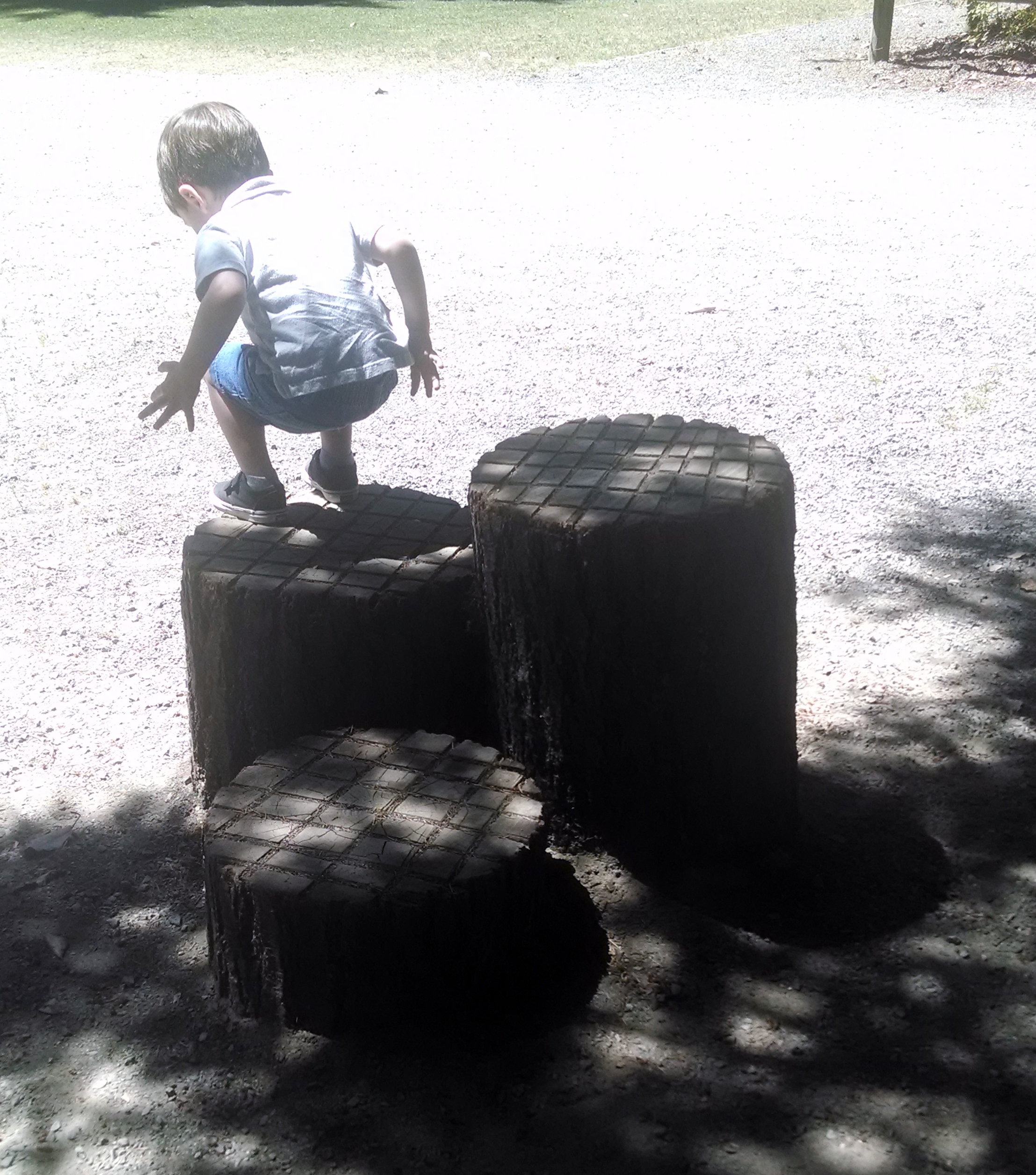
I am excited that this year my son has the chance to participate in the Creative Development Lab offered by Bellevue College Parent Education. It’s a weekly arts enrichment program for ages 3 – 5. Kids attend every week. Parents work in the classroom 6 times a year and also attend a monthly parent education session.

Check out the video at the top of this post to see all the great activities we did in ONE DAY this fall.(If you want to try out any of the arts activities with your child at home, you can learn how on our Pinterest page: www.pinterest.com/bcparented/)

And there were even more great activities at CDL that day that the video doesn’t show!

  • The kids made their own applesauce by squashing up a baked apple with a potato masher and sprinkling on cinnamon sugar.
  • There was a free collage station, where they could gather their own cool materials from lots of baskets of goodies and glue them together any way they wanted to.
  • There were blocks, and puzzles, and books in the center room. They also do imaginative play and circle time.
  • At the end of class, they go outside for riding trikes, pulling wagons, bouncing balls, and playing in the sandbox.
  • This was also parent education day, so the parents were in the other room discussing temperament with our parent educator.

I’m loving this program!

Some parents choose it because their child is an art-focused kid who just can’t get enough of the art projects they do at home. I actually choose it because I have a really outdoorsy, active boy. At home he has a hard time settling in to art projects, and I also don’t offer them as much as I should because… well, no good reason really…. I just don’t always think of it. So I love having this dedicated time in his week for him to explore art and the joy of creating things.

Why “More Good Days”

Why More Good Days? Because it’s a theme that weaves throughout my teaching in various ways:

  • When working with pregnant people and discussing nutrition, exercise, and so on, I say “I’m going to tell you all the ideas I know of for increasing your chances of a healthy pregnancy and birth, but I’m not telling you that you have to do every one of these things! I’m giving ideas, and you’ll do as many of them as you can make work in your life. And some days you’ll eat perfectly, and other days you’ll grab beef jerky and raisins at the 7-11 because that’s the only way you can get “lunch” that day. It’s OK. Babies are resilient – they won’t suffer for a few bad days here and there. We just shoot for more good days than bad… the more healthy choices the better.”
  • When teaching breastfeeding, if people raise concerns about not “succeeding” at breastfeeding, I say “I’m going to give you all the ideas I can to help increase your chance of reaching your goals, and I’m going to give you lots of resources for where you can go for help, and you’re going to do the best you can. Hopefully you reach or exceed your goals for how long you nurse baby. But sometimes life happens, and parents don’t nurse as long as they had hoped. I want you to remember that even a few days of breastmilk has health benefits for baby, and the more days of breastfeeding they get, the better for them and for you. So focus on those good days and how much good you did for baby on those days.”
  • When teaching newborn care or teaching parents of babies and toddlers, I tell parents “You’re not going to be a perfect parents. None of us are. There will be days (or at least moments each day) when you feel like a fabulous parent – like you’re really succeeding at this whole parenting gig! And there will be days when you’re a crappy parent. Days when you find yourself saying or doing something that you never thought you’d say or do. Days when you just really feel like you screwed up. When you have those days – or those moments each and every day – keep moving on. Seek out advice and new ideas on how to do better, seek out support for yourself on this path, and learn about what resources there are for you and your child. You’ll continue trying to do the best you can every day, and you hope that in the long run, when you look back, you’ll say that there have been more good days than bad.”
  • When working with parents of teenagers who have been battling their kids, I say “how do you hold limits firmly yet compassionately? Yesterday, you tell me you were yelling at your kid… can you go back to them and say “I’m sorry I yelled – that was not appropriate. However, your behavior was a problem and you do need to do better. How can we work together to improve things?”

So, really “more good days” is about finding a balance. Doing the best you can. Finding more information, support and resources to help you do better. And forgiving yourself for the bad days.

I also think that part of what determines whether something is a ‘good day’ or a ‘bad day’ is our attitude. Some days feel like there’s problem after problem, and every little thing pushes us closer to the edge, and we find ourselves saying “what a crappy day! Why does this keep happening? I hate my life!!” Other days, everything feels easy and fine, and all those little annoyances slide right off.

Here is a blog entry from the day in 2013 when I named this blog:

Yesterday morning with my son, I was relaxed and mellow and all was fine with the world, and then… he pooped in the bathtub. But, it was OK. I cleaned him up, I cleaned up the bathtub, and then he pooped in the potty, which is always worthy of celebration. It was all fine – it was a good day.
But then yesterday afternoon, it was so hot in the house that he couldn’t go down for his nap in his room upstairs (we live in Seattle – we have no air conditioning because we only need it five days a year – but yesterday was one of those days!!). So, he’s “napping” on the couch. But he’s not. And I’m trying to work. But I’m not. And he’s making a mess with all his toys, and I’m asking him to clean it up. And he’s not. And I should be calm and reasonable in asking him to clean it up and go back to his couch. But I’m not. And now, it is a terrible, horrible, no-good, very bad day.
And really, it was all about my attitude. But even knowing that, it’s hard to shift out of it in the moment.
But, we did shift out of it – we had a fabulous evening in the splash park and watching outdoor Shakespeare with the whole family.
And it was so joyful for me to watch my three year old in the water, trying out all his new skills from swimming class and laughing and playing with all the other toddlers. And it was so joyful for me to watch my 20 year old – my theater major son – enjoying the show – laughing at some beautiful moments of physical comedy.
In the end, it was a very good day.

Every day, parents have experiences like these. The good moments, the bad moments. Parenting can definitely be “all joy, and no fun.” In the hard moments, we wonder why we put ourselves through it. And then in the joyful moments, we realize that there’s really nothing better than watching a child learn and grow.
We had our two older children, and thought for years (13 years!) that we were done. Then we decided that we loved parenting enough that we wanted to do it again. Before getting pregnant, my husband and I had lots of long conversations about what we were getting into, and all the non-fun parts of parenting that were ahead. But we decided it was worth it for the joy. And what a joy our little boy is.
And every day, I work to find the same balance I encourage in my students. Doing the best I can. Finding more information, support and resources to help me do better. Forgiving myself for the bad days. And hoping that in the long run, there are more good days than bad.