Author Archives: Janelle Durham

Unknown's avatar

About Janelle Durham

I am a parent educator and social worker, and teach music and science to children age 1 - 8.

Your Safety Style as a Parent

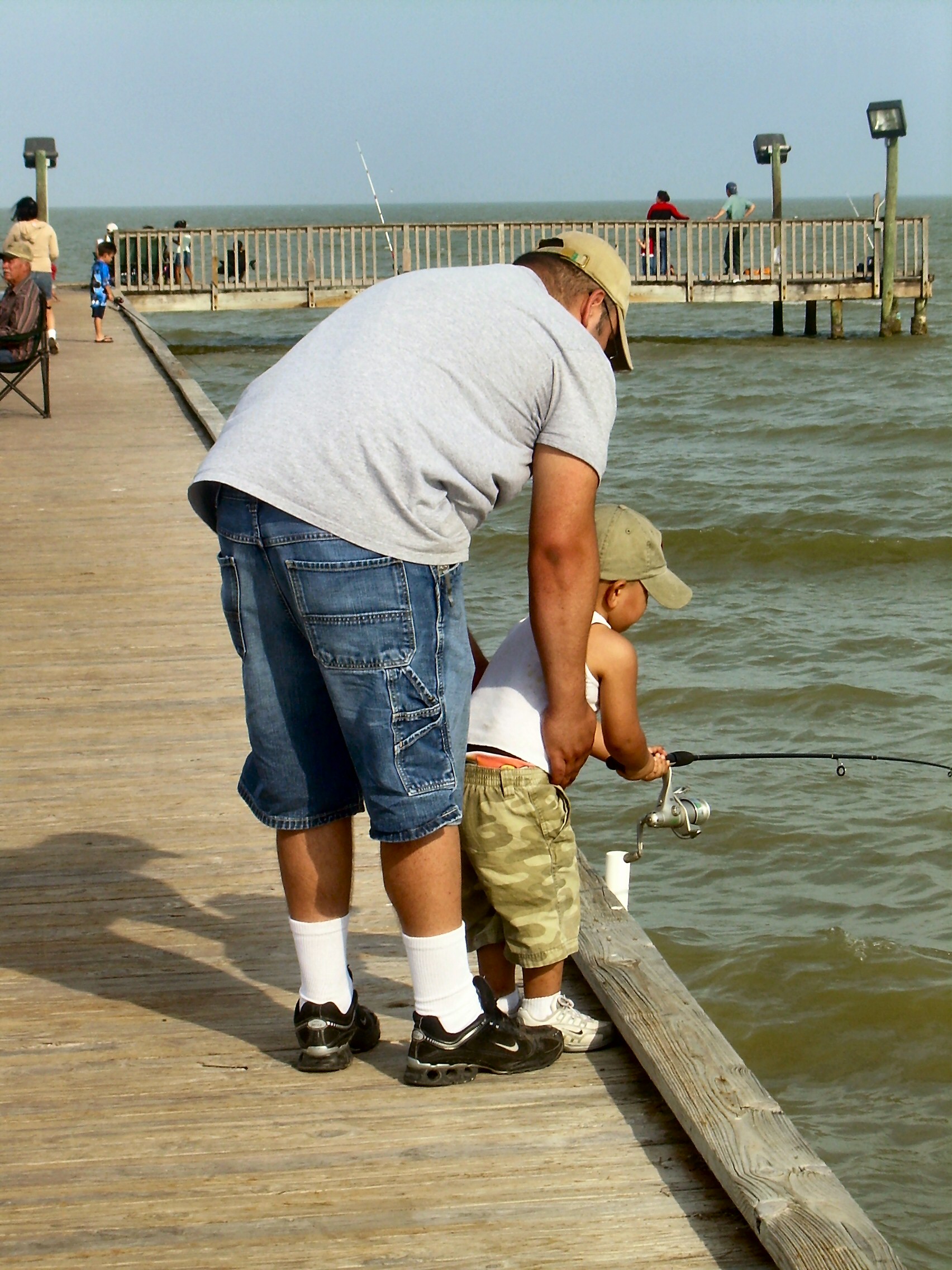
safetystyleDo you imagine taking your child rock climbing, bungee jumping, and white water rafting? Do you enjoy big bold play like tossing them up in the air and spinning them round? Or do you wish you could keep your child in a soft padded room full of soft padded objects so he need never get hurt?

It is helpful for parents to reflect on their own tolerance for risk as they safety-proof their house, teach their child safety skills, and allow for some risk-taking. Where you strike the balance between protecting your child and allowing exploration is influenced by your gender and theirs, your age and experience and theirs, your temperament and theirs.

Gender: Men lean toward risk-taking, women lean toward being protective. Talk to your partner, and agree what limits you will set, so you can be consistent. Try to understand the value of each others’ views.

Boys tend to be bigger risk-takers than girls, who are a little more likely to look before leaping. If you have a risk-taking boy, you may need to focus on removing most hazards; if you have a cautious girl, you may be able to adopt a wait-and-see approach.

Age & experience: Older first-time parents tend to be more cautious than younger first-timers. Experienced parents of many children tend to be less cautious over little hazards, but stricter about the big rules. If you wonder whether you’re being over-protective, or too lax, try watching other parents (on the playground, at your child’s school, etc.). It’s a good way to “sanity check” yourself. Are you setting about the same kind of limits others are? If not, do you think they’ve got the right idea and you need to adapt? Or does it reinforce with you that what you’re doing is what really feels right to you?

For children – the older they get, the more dangerous situations they are capable of getting themselves into, but hopefully they’ve also started to learn caution and safety behaviors. They need wider boundaries, so you will need to adjust safety rules as they grow. Do you feel like you’re striking the right balance?

Temperament: Some people are inherent risk-takers, some inherently cautious or fearful. Your limits need to balance your temperament, your partner’s, and your child’s. Set limits that are within your comfort zone, and set rules you can enforce consistently even if you’re tired or stressed.

There’s no right or wrong answers here, just things to be learned from self-reflection…


photo credit: safety zone – http://www.freeimages.com/photo/1422766; Jump – *vlad* via photopin cc

Teaching Safety Skills to Toddlers

In the early years of parenting, it’s completely the parents’ responsibility to keep the baby safe. But by the time our children  leave the nest at 18 or so, we hope that they are fully capable of making wise decisions to keep themselves safe without our help or advice. How do we get them to that point? We start when they are toddlers, by teaching them to assess their situation for safety vs. risk, and by teaching skills that reduce their risk of harm.

When teaching safety, think “prepare, don’t scare.” Scaring your child by over-protecting, hovering, or gasping with fear whenever they move can create a fearful child who is unwilling to explore. Preparing your child by teaching them how to explore their environment wisely and with caution when warranted is very empowering.

The Language (and Body Language) of Safety: Interpreting Situations for your Child

When our children are little, they have no experience with what is safe and what is not. They rely on us to help them learn. Babies begin “social referencing” at 8 – 12 months. When they encounter something new, they look at their parents for information. If you’re smiling, and verbally encouraging them, they move toward it. If you look worried, they may move away or move more cautiously.

You can help them to interpret the safety or risk potential in a situation by your responses when they do their check-in. It may help you to think about a few different levels of risk potential:

  • Green = it’s totally safe, I have no worries. When your child looks to you for input: put on a big smile, nod, and verbally encourage exploration.
  • Yellow = minor risk of harm to child (or property), but easy to avoid harm if they exercise a little extra caution. Look positive but thoughtful, lean forward to show you’re paying extra attention, say with a quiet voice “just be careful” or “gentle touch” or “it’s fragile, hold it carefully” or “watch your feet” – something that tells them how to be sure they’re safe.
  • Orange = risk of harm to child, and they must actively work to avoid it. Look concerned (not scared) and attentive. Stand up and move closer. Use a strong voice to tell them what the risk is and what they need to do. Emphasize the important words. “The oven is hot. Move over there” or “that would be a big fall –go that way, back to the slide” or “I don’t want you to slip and fall. Use walking feet at the pool” or “it’s not safe to run in a parking lot – hold my hand.”
  • Red = imminent risk of harm, child must immediately stop, or you must intervene. (Save this for when you really mean it, so they take it seriously.) Look intensely alert, and either scared or angry (whatever gets their attention). Move toward them. Use your strongest, most urgent voice, and as few words as possible to tell them what to do. “Stop!” “Danger!” “Back up!” “Don’t touch – hands up!” After they’re out of harm’s way, then explain the situation.

Teaching Safe Behaviors

The most common causes of childhood injuries are falls, animal bites, drowning, poisoning, burns and motor vehicle accidents. It’s important for parents to safety-proof, but we also need to teach our kids how to be careful about these risks. For example, if a parent always gated the stairs and never let his child use them, think what could happen the first time she encountered un-gated stairs…

Preventing falls / Moving safely:

  • Practice safe movement on low climbers and short stairs to practice skills for higher places.
  • Use safety language to let them know when they’re moving into dangerous territory.
  • Model how to move carefully, demo how to pay close attention to hand-holds, foot holds, being cautious around heights, etc. Teach that sometimes it’s safest to sit down and scoot.
  • Encourage them to trust their instincts: “You’re looking worried. That is really high, isn’t it? I think you’ll be OK if you’re careful. If you want, I can help you do it, or I can get you down.”

Preventing bites / Interacting with animals:

  • Teach your child to always ask the pet’s owner before touching it. (No touching wild animals.)
  • Teach gentle touch – say the words, model the behavior, hold your child’s hand to guide.
  • Teach that animals’ food dishes are always off-limits. And so are cat litter boxes!

Preventing drowning / Staying safe around water:

  • Enroll your child in swim lessons by age 3 – 5.
  • Teach your child to move slowly and carefully around water – getting in and out of the bath tub, walking around the pool, etc. Point out that wet ground is slippery, and these places are full of hard surfaces that hurt to fall on, and that falling into water is very dangerous.
  • If your child plays in a tub or pool with other children, set strict limits on horseplay (i.e. no pushing anyone’s head under the water!)

Preventing poisoning:

  • Get Mr. Yuk stickers from Poison Control. Have your child watch you put them on substances and teach your child what they mean. (Note: dangerous substances should be kept out of child’s sight and reach. Mr. Yuk stickers are your back-up plan, in case something accidentally gets left out.)
  • Teach your child to always ask you before eating anything.

Preventing burns:

  • Teach them what smoke smells like and that they should always let you know if they smell it.
  • Teach the word “hot” and model that they should move away from things you call hot.
  • Teach “hands up” and model how to keep their hands away from something dangerous.

Motor vehicle, bicycle, and pedestrian safety

  • In the car, they need to know car seat use (and seat belt use someday) is non-negotiable. They must ALWAYS ride buckled in. No exceptions! Even when just moving the car a few feet.
  • If you are waiting in the car for something, keep your child buckled in. You can move to sit next to them to read a book or play while you wait, but don’t let them play in the car.
  • When riding a bicycle or other wheeled vehicle, make the bike helmet mandatory. Model the importance of this by always wearing a helmet yourself.
  • In parking lots, teach that we never play near cars, and we always hold hands.
  • When crossing roads, teach to look both ways, listen for cars, then cross.
  • Play “red light, green light” game or freeze tag so they can practice stopping quickly when you say so.

All-purpose safety tip: instead of just saying no, or telling your child what not to do, find ways to tell them what to do.

No Substitute for Adult Supervision!

Although this post is all about teaching safety skills, it’s essential to remember that young children can’t be responsible for keeping themselves safe! There is so much about the world that they don’t know that they can get themselves into danger without realizing it. And even if they do realize there’s a risk, that knowledge won’t always prevent them from doing it – they don’t have the impulse control to resist their urge to try something new. Children rely on careful adult supervision to keep them safe.

Injuries are most likely when:

  • the child or the caregiver is tired, hungry, sick or stressed
  • family routines have changed (on vacation, after a move, new babysitter / caregiver)
  • the child learns new physical skills which enable them to do new (and risky) things

Thus, parents should pay extra attention under these circumstances.

For more info on injury prevention and treatment, look here.

Great article about more ways to teach safety skills is here: http://life.familyeducation.com/safety/toddler/53828.html

Resources on Injury Prevention and First Aid

Check out this great info-graphic on childhood injury prevention from the CDC. To see more: www.cdc.gov/safechild/images/CDC-ChildhoodInjury.pdf

There are lots of great resources for safety information, but my favorite online collection is at: www.seattlechildrens.org/safety-wellness

  • Their safety and injury prevention section includes a wide range of topics… In the list below, I’ve linked to a few of my favorite articles on their site, but if you go there directly, you’ll find lots more!
  • Bike Safety, Car Seats, Choosing Safe Baby Products, Driver Education, Emergency Preparedness, Environmental Health, Falls (what to do in case of one), Fire Safety, Gun Safety, Helmets, Home Safety checklists, Injury Prevention, Pedestrian Safety, Playground Safety, Summer Safety tips, Sports Safety (skating, skiing,etc.), Sun Exposure, Toy Safety, Travel & vehicle safety, and water safety.
  • Their first aid section includes info on how to treat allergic reactions, bites (animal and bug), burns, CPR, choking, lacerations (cuts), poisoning, stings, strains and sprains, and broken bones.

Here’s my free printable handout on injury prevention for toddlers and another one on car seat safety.

Check out the prevention tips now and take steps to prevent injury. And… check out first aid tips now so you’re familiar with what to do before / in case something happens!

We also want to teach our children safety skills for how to explore their world, but still be safe, and understand the appeal of risky play and how to allow some of it while setting reasonable limits.


Cheap Dates with Toddlers – Wildlife Viewing

20210508_202842862_iOS

Spring is a great time to explore wetlands parks* and see what kind of wildlife you can spot. Ducklings are a pretty likely bet at most wetlands! Often wetlands parks have boardwalks, where you’ll have to hike out a ways to see the wildlife.

Hikes are great activities with toddlers, because they burn off energy but in a lot lower-key, non-overstimulating way compared to a trip to a playground at a McDonalds or the mall! (Now, I’m not knocking McDonald’s playgrounds here – they’re absolutely a place we head on a cold, rainy day when we’ve got to get out a little energy before story time at the library.)

You can sing songs or do nursery rhymes as you walk. You can talk about the things around you – the plants, the people, the animals…

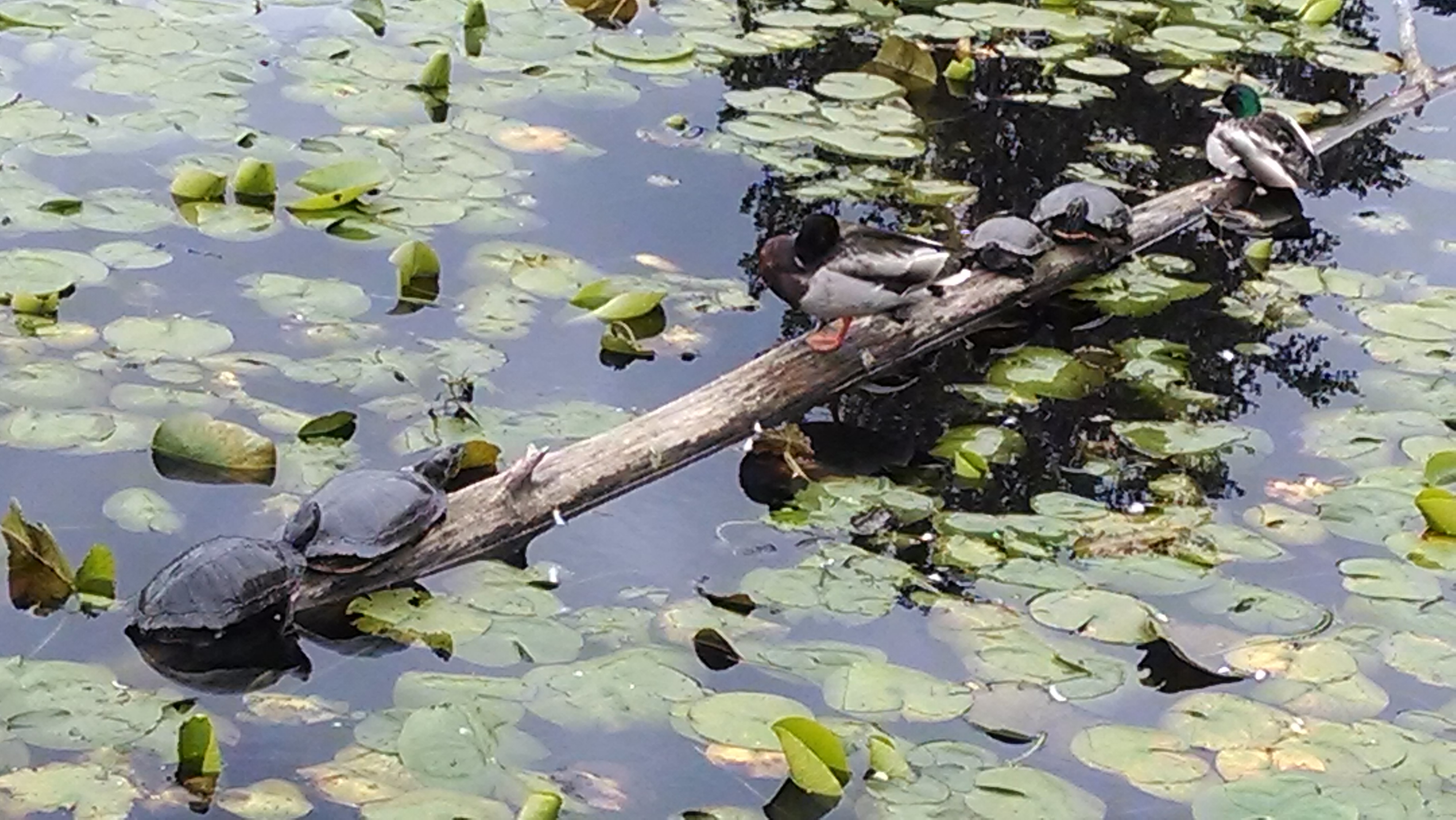
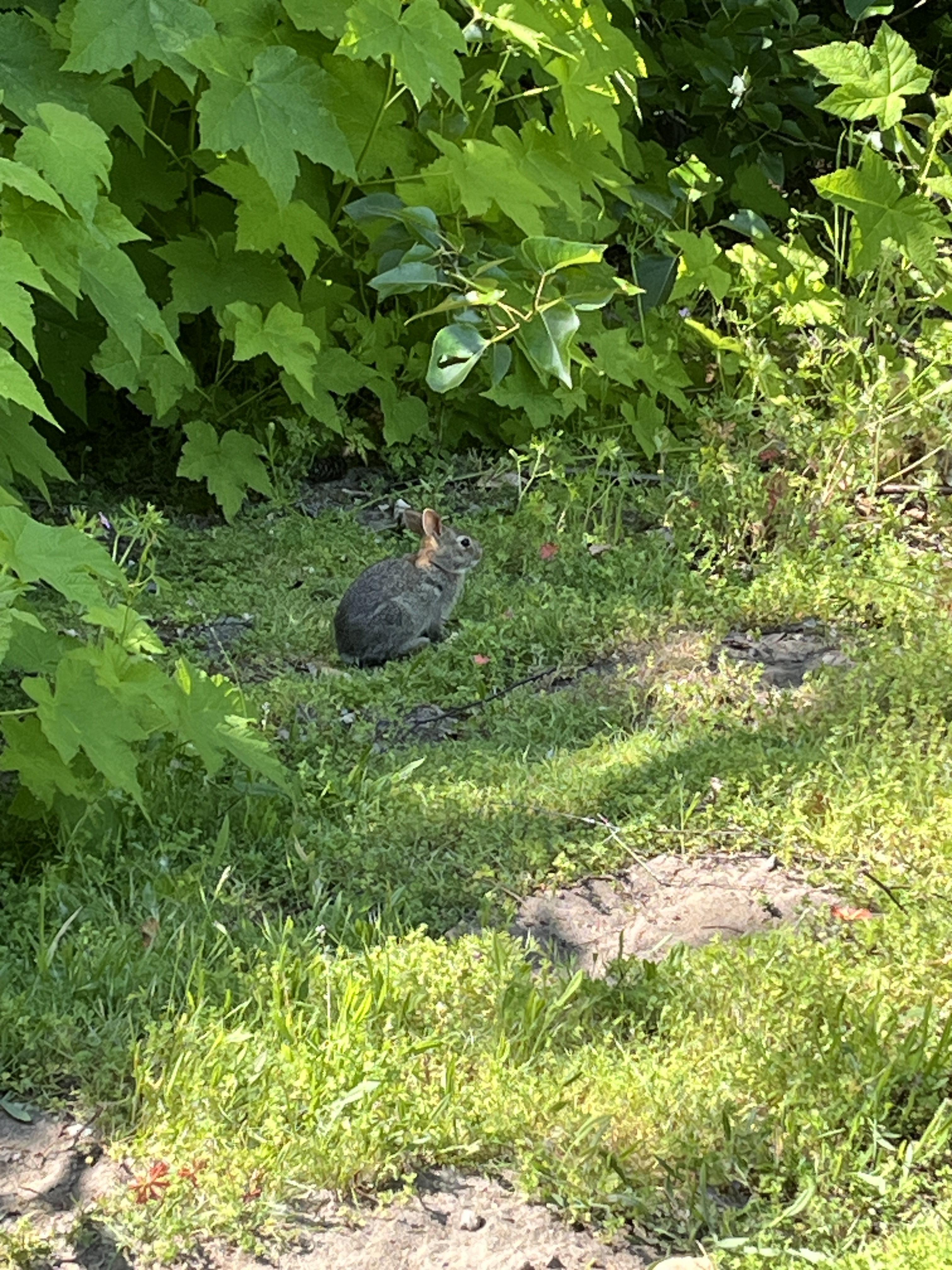
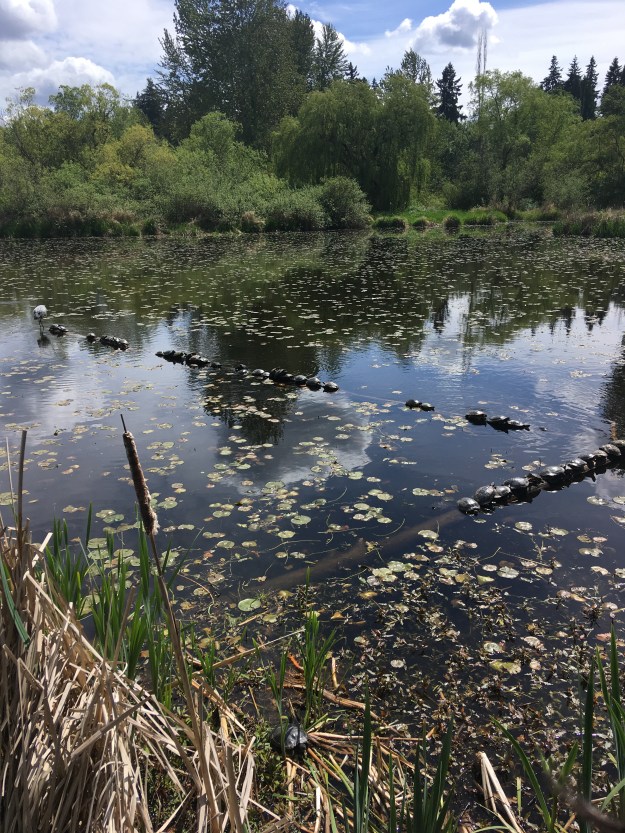
Today, we went to Juanita Bay Park in Kirkland, WA. It looks small from the road, but then you get in and it’s a huge park with lots of trails and board walks. We saw a mama duck with 7 ducklings, lots of other ducks, red-wing blackbirds, and lots of turtles sunning themselves on logs. We spotted a baby bunny off the side of the path. And we checked out some ant hills on our way back to the parking lot.

One of the challenges of nature hikes is that sometimes the thing you want to see is a long ways away, or camouflaged. I think this offers great practice for toddlers in observation skills. When they look out at this sea of lily pads, can they spot the mama duck? How about the babies? It’s also good for listening to directional information: like when I was pointing out a squirrel, and said “look way over there, in the tree with the white blossoms on it. Do you see the tree? There are two branches on the right side – the squirrel is on the top branch”, there’s a lot of vocabulary and concepts that go into understanding those directions.

For more ideas for nature activities with your child, click here.

20210508_202819448_iOS

* If you’re thinking there are no wetlands near you, I’ll tell you that today I looked at a map on a sign at the park, and it showed wetlands in every single state – I grew up in Wyoming, and the map showed wetlands in the northeast quadrant – now I’m curious where they are!

Great Classes for Kids AND Parents: Parent Education Programs and Cooperative Preschools

Classrooms in the Bellevue College Program

Classrooms in the Bellevue College Program – click for larger view

Are you a parent of a baby, toddler, or preschool age child? Are you looking for:

  • A place where your child can explore toys, do art, hear stories, sing songs, and make friends?
  • A fun activity to do with your child where s/he learns new skills and you get new ideas?
  • Opportunities to meet other families and build community?
  • Expert advice and research-based information about parenting and child development?
  • Support from professionals and other parents for the challenges of life with a little one?

You can find all these great opportunities in one place!

In the Seattle area**, our community colleges sponsor parent education programs, including parent-tot programs and cooperative preschools, which are a fabulous resource for families. For children, classes offer hands-on learning, discovery and play. For adults, they offer on-going education on all topics related to parenting, and connections to other parents.

What is the children’s experience like?

The programs are play-based, because research shows children learn best through hands-on exploration in places where they feel safe and free to explore. Each classroom has several stations around the room, with developmentally appropriate activities to help kids build the skills they need. Children are encouraged to move around and explore at their own pace. In parent-child programs (aka “mommy and me classes”) for babies and toddlers, parents play along with their children. In coop preschools, working parents are assigned to a station:

  • Art activities: play-dough to roll, easels to paint at, markers for learning to write
  • Sensory activities: tubs of water or rice or beans to scoop, pour, stir, and run fingers through
  • Large motor: mats for tumbling, tunnels to crawl through, climbers and slides, balls to throw
  • Small motor: blocks to stack, puzzles to assemble, shape sorters to solve, beads to thread
  • Imaginary play: dress up zone for trying on new roles, dolls to care for, kitchen for “cooking”
  • Science experiences: seeds to plant, tadpoles to watch, items from nature to explore
  • Snack time: a place to practice social skills and table manners and to discover new foods

stations

Classes also include “circle time” or “music class” where the teacher leads the class in singing songs, dancing, playing musical instruments, and reading stories. This is a chance for children to practice sitting still, listening to a teacher, and participating in a group activity, all essential skills for kindergarten readiness. Academic skill-building (reading, writing, pre-math skills) is integrated into all types of activities.

What makes these children’s programs different from other programs?

Diverse Experiences in One Familiar Setting: Most children’s programs focus on one domain of learning: dance class, art class, story time, music class, or tumbling. These programs do it all. And they do it in a known space where the child feels safe and comfortable. Some of the same toys activities reappear from week to week to provide reassurance and routine, and some new toys and activities rotate in to encourage children to explore and try new things.

Long-Term Relationships: Lots of programs run in short sessions of 4 – 6 classes. Parent ed programs run for the full school year. Seeing the same children week after week allows kids to build friendships.

Close parental involvement: Parents are always welcome in the classroom.

What are they like from the parent perspective: how do they work?

Each program works a bit differently, so check to be sure of the details, but here is the general idea:

Parent-infant Classes and Parent-Toddler Classes: Meet weekly for two hours. Every other week, the parents attend a one hour parent education session. In infant classes (for babies birth to one year old), the baby remains with the parent for parent ed. In toddler classes (for one-year-old and two-year-old toddlers), children are encouraged to play in one room with the children’s teachers and other parents while their parent attends parent ed.

Staffing and Parents’ Role: Each class is staffed by a parent educator and one or two children’s teachers. Parents provide snacks for the class on a rotating basis. Each family may bring snacks 1 – 3 times a year. Parents may also be asked to help tidy up the toys at the end of the class.

Cooperative Preschools:Three-year-olds may attend 2 or 3 days a week, four-year-olds attend 3 or 4 days a week. Typically, the parent stays with the child and works in the classroom one day per week, and the other days are “drop-off” preschool for that family. Classes may be 2 – 3 hours long.

Staffing: There is a preschool teacher, trained in early childhood education, who is responsible for planning and coordinating the children’s activities, and leading group times. A parent educator observes / consults during some class sessions, and offers a monthly parent education session plus one-on-one expert parenting advice.

Parents contribute by working in the classroom once a week. They also help with the running of the school by: providing snacks, fundraising support, helping with end-of-year cleanings, serving on the board (chair, treasurer, secretary, etc.), or as class photographer, play-dough maker, etc.

Length of program:Most classes (parent-child and coops) meet for the full school year – September through May. [Note: sometimes families need to leave during the year, so if you’re looking for a class in the winter or spring, check with programs to see if they have openings – they’ll often have a few.] Some have summer programs.

What do Programs Cost?

For some programs, you pay by the month, some by the quarter, some by the year. If you look at the cost for a quarter (11 weeks) or year (33 weeks), it may look like a lot compared to other children’s activities in the community. So, to compare apples to apples, it’s best to look at it as cost-per-hour. Infant and toddler groups at our local community colleges range from $7.00 – 11.00 per hour. For comparison’s sake, here’s what a sample of other programs cost on an hourly basis:

  • Big motor activities: Gymboree $30, Gymnastics East $20, Northwest Aerials $13
  • Parent education and support: Mommy Matters $22 plus child care costs. Baby Peppers $9
  • Art programs: Kidsquest $17 per hour. Kirkland Parks $13. Kirkland Arts Center $10.
  • Music programs: Kindermusik $22, Kirkland Parks $11. Bellevue Parks $21 for residents.

Cooperative preschools in these programs range from $7 – 9.50 an hour. For comparison sake:

  • Bellevue public schools, $10 per hour. Bellevue Christian School $10. Bellevue Boys & Girls Club $11. Bellevue Montessori $16. Jewish Day School $18. Villa Academy $18. Seattle Waldorf $22. Cedar Crest $24.
  • Note: most preschools have an adult/child ratio ranging from 1:6 – 1:9. At a coop, the ratio may be 1:3 or 1:4.

All the parent education programs and cooperative preschools offer scholarships to lower income families which can further reduce the cost.

What makes these programs different from other programs?

College credit and student privileges: Parent education programs are college classes, and parents receive college credit for attending. They can also receive student ID cards, which depending on the school may give access to discounts and services such as fitness center or gym access.

Parent Education: Experienced professional educators offer information that is current and research-based but also relevant to the day-to-day reality of parenting little ones. Topics are tailored to the age and needs of the families, but may include: daily routines, discipline, child development, early learning, nutrition, potty training, emotional intelligence, and self-care for parents.

Individualized Advice: Parent educators and children’s teachers have the opportunity to get to know each child as an individual, and also get to know parents well. This allows them to answer questions in a highly personalized way. They can also refer on for additional services when needed.

Parent Involvement: Participating in your child’s classroom from day one encourages you to think of yourself as an active participant in your child’s learning and an advocate for them in future classrooms. You’ll know the other children and can help your child learn about them. You’ll know what happened in class, so you can later reinforce the learning. Seeing classroom activities may give you new ideas for what you can do at home to enhance your child’s development. Having the opportunity to observe other children each week helps give you a deeper understanding of child development, and seeing parents respond to their children shows you options for parenting style.

Peer Support and Long-Term Relationships: Parents meet with other parents over the course of many months, which allows for long-term connections. Working together on projects strengthens those bonds, as does the peer support gained when parents discuss and share the joys and challenges of caring for kids.

Programs offer classes for families with children from birth through age 5, so instead of having to search for new classes every month or every year, you always know where you can find a fun and educational class for you and your child.

Learn More about Programs Near You and Register Now!

Note: Classes for 2014 – 15 start in September but it is best to register in spring or summer, because they do fill up!

Program Name / Website Locations * Ages Served / Programs
Bellevue Collegewww.bellevuecollege.edu/parented/ Bellevue, Carnation, Issaquah, Mercer Island, Renton, Sammamish, Snoqualmie Birth to 7: Parent-Child (day & evening), Coop, Dad & Me, Science Enrichment
Edmonds Community Collegewww.edcc.edu/pared/ Edmonds, Lake Stevens, Marysville, Mill Creek, Snohomish 7 months to 5: Parent-Child, Coop Preschool, Daddy & Me
Green River CC. Limited info available online: www.greenriver.edu/academics/areas-of-study/details/parent-child-education.htm. Auburn area, birth to age 5.
Lake WA Institute of Technologywww.lwtech.edu/parented Bothell, Kirkland, Redmond, Woodinville 5 months to 5 yrs: Parent-Child and Coop Preschool
North Seattle Community Collegehttp://coops.northseattle.edu/ Several sites in Seattle, north of ship canal to NE 145th. Vashon. Birth to 5: Parent-Child (day and evening), Coop Preschool
Seattle Central Community Collegewww.parentchildcenterseattle.org/ Capitol Hill, Mt. Baker, Madison Pk, Rainier Val, Queen Anne Birth to 5 yrs: Parent-Child and Coop Preschool
Shoreline Community Collegewww.shoreline.edu/parenting-education/ Shoreline, Bothell, Inglemoor (Kirkland), Woodinville Birth to 5 yrs: Parent-Child and Coop Preschool
South Seattle Community College https://sites.google.com/a/southseattle.edu/homelife/ SCCC campus, Admiral, Alki, Arbor Heights, Lincoln Park Birth to 5 yrs: Parent-Child and Coop Preschool

*Not all ages served at all sites. For example, most programs only have infant classes at one site.

** I don’t know whether community colleges in other cities have similar programs. They might!

Would you like to print this information for your reference or to share with a friend? Get the PDF here.

If you want more information right now about parenting, look in the “categories” section on the right hand column and click through to any topic that interests you (for example, you can read my posts about choosing a preschool or find lyrics to songs your child will love.) To receive updates as I publish new articles, go to the right hand column and click on “like me on Facebook” or “follow this blog.”