Category Archives: Nature Activities

How much time are kids spending outside?

A better question to ask is “how little time are today’s kids spending outside?”

What is Nature Deficit Disorder?

It’s not an official medical diagnosis… it’s a term coined by Richard Louv, author of Last Child in the Woods, to describe the limited exposure to nature experienced by many children today. This is a sample of surveys from the U.S., U.K, Australia, Denmark and other countries:

How much (how little) time are kids spending outside?

  • 1 in 10 kids today play outside once a week or less.
  • Mothers of 1 – 12 year olds were asked what activities their children do outside of school and 72% say watch TV, 58% say play outdoors.
  • Amongst kids age 6 – 12, 78% participated in outdoor activities in 2006. By 2009, that dropped to 62%. For girls, outdoor time declines as they get older. 60% participate in outdoor recreation when they’re 6 – 12 years old, but by age 13 – 18, only 51% do.
  • 88% of youth (13 – 18) spend time online every day, 69% play video games or watch TV daily. 58% do homework daily. But fewer than 40% do these activities even weekly: visiting a natural area outdoors, visiting a park, creek or beach, going hiking, fishing or hunting.

Kids are spending much less time outside than their parents did.

Today’s adults say when they were kids… Today’s children
Play outside every day 71% 21%
Play outdoors more often than indoors 73% 13%
Climb trees 64% 20%
Had a patch of nature near house 75% 64%
Went to patch of nature 1-2 times a week 50% <25%
Visit natural setting every day in summer 59% of grandparents, 42% of parents 26%
Number of neighbor kids to play with Average: 14 Average: 6
Close enough to walk or bike to school 75% 37%
Favorite place to play was indoors 16% 41%

This is despite the fact that kids and parents think kids should be outside more.

  • 73% of grandparents and 54% of parents say children do not spend enough time in nature.
  • 73% of mothers said their children would rather play outside than inside. 47% are concerned their children don’t spend enough time playing outside.
  • 80% of children prefer playing outside to playing indoors. 86% prefer outdoor activities to playing computer games. 72% want to play outside more often.
  • Even though 29% of adults do not allow their kids to play unsupervised outdoors, 85% said they would like their kids to be able to. 81% of children want more freedom to play outside.

The reasons given by parent and kids? They’re too busy / too many scheduled activities. It’s not safe to go outside (traffic, stranger danger, etc.). It’s too expensive or too far to travel to outdoor recreation opportunities. When they do go play outside, there’s no other kids out there to play with…

So, does it matter? Is there any harm in this reduced connection to nature?

Over the next few days, I will be posting about

  • the risks of Nature Deficit Disorder the benefits of time outdoors, and
  • perceived barriers to outside time
  • ideas for overcoming those barriers

Stay tuned…

In the meantime, check out the video linked above for some reminders about why outside time is important to kids.

Sources:

www.playday.org.uk/playday-campaigns/2007-our-streets-too/playday-2007-research; TreeDay.PlanetArk.org/ClimbingTrees; www.naturalengland.org.uk/Images/Childhood%20and%20Nature%20Survey_tcm6-10515.pdf; Common Sense Media; www.outdoorfoundation.org/pdf/ResearchParticipation2013.pdf; www.nature.org/newsfeatures/kids-in-nature/youth-and-nature-poll-results.pdf; www.childrenandnature.org/downloads/CECCNNWorldwideResearch.pdf; www.playday.org.uk/playday-campaigns/2006-play-naturally.aspx
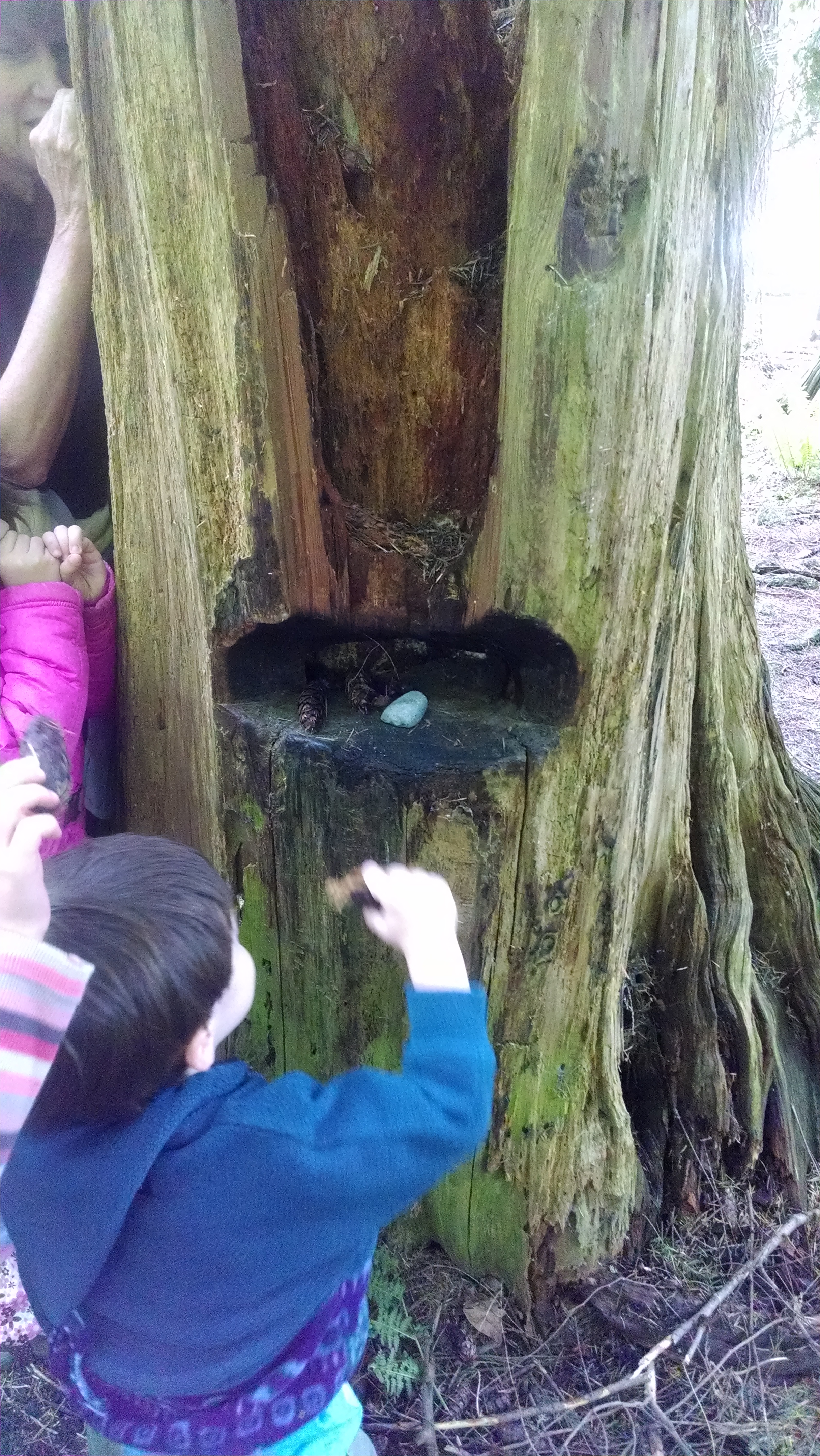
hungrytreeThis is a picture of the Hungry Tree. It’s a tree at Farrell-McWhirter park in Redmond. On pretty much every Friday morning from October through May, we visited the Hungry Tree and “fed” pine-cones to it. Teacher Ann from Tiny Treks provided the voice effects (“I’m the hungry tree. And boy am I hungry! I want some pine-cones! Oooh – thank you!”)

It’s really simple. And it makes all the kids really happy. Every week. Week after week. Especially my boy who loves repetition.

This week I’m reading a lot about Nature Deficit Disorder, and all the benefits for kids of spending time outside. One expert  said “It’s not about taking your kid to Yosemite once a year. It’s about taking them down to that little scrap of grass in the neighborhood every day. It’s about helping them develop a relationship with nature.” My boy has certainly developed a relationship with nature through this weekly ritual of visiting the Hungry Tree.

After we visit Hungry Tree, we balance on the logs, then go wade in the creek (thank goodness for good boots!), then hike through the woods, then return for a snack and story outside on the tarp. My son loves this routine. I love this routine!

But connecting to nature doesn’t need to mean a weekly 90 minute hike in the woods. You could have a “hungry tree” or similar nature buddy in your yard! My son has a “nature job” – every time we walk to the library or store, there’s an apartment garden we pass where the rocks are always getting kicked out of the garden bed onto the sidewalk. My son really likes rocks, and originally he wanted to take these rocks and carry them away. Instead, he now knows it’s his “job” to return any rock that he finds on the sidewalk back to the garden with its friends.

Does your child have a nature ritual?

Cheap Dates with Toddlers – Wildlife Viewing

20210508_202842862_iOS

Spring is a great time to explore wetlands parks* and see what kind of wildlife you can spot. Ducklings are a pretty likely bet at most wetlands! Often wetlands parks have boardwalks, where you’ll have to hike out a ways to see the wildlife.

Hikes are great activities with toddlers, because they burn off energy but in a lot lower-key, non-overstimulating way compared to a trip to a playground at a McDonalds or the mall! (Now, I’m not knocking McDonald’s playgrounds here – they’re absolutely a place we head on a cold, rainy day when we’ve got to get out a little energy before story time at the library.)

You can sing songs or do nursery rhymes as you walk. You can talk about the things around you – the plants, the people, the animals…

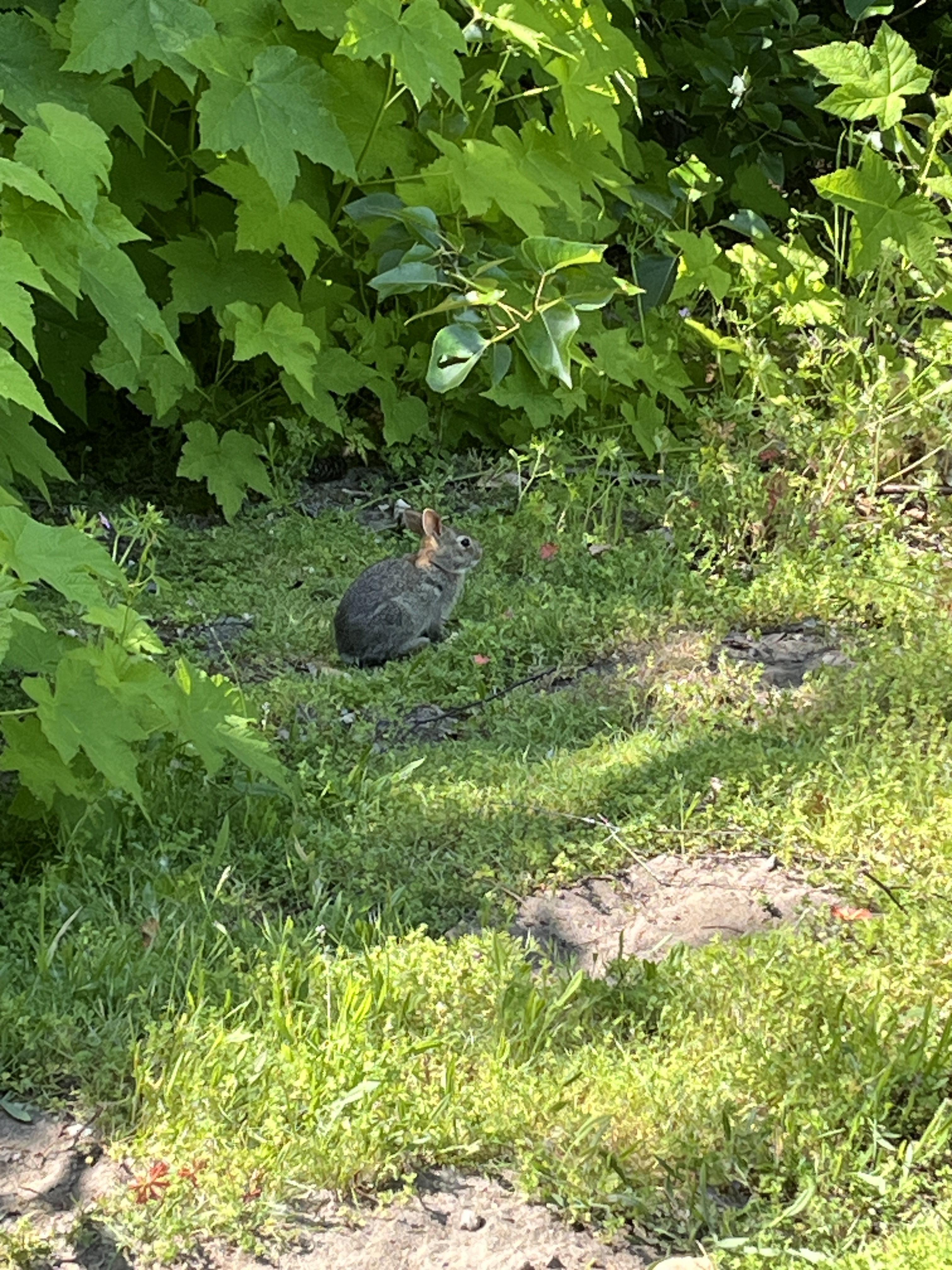
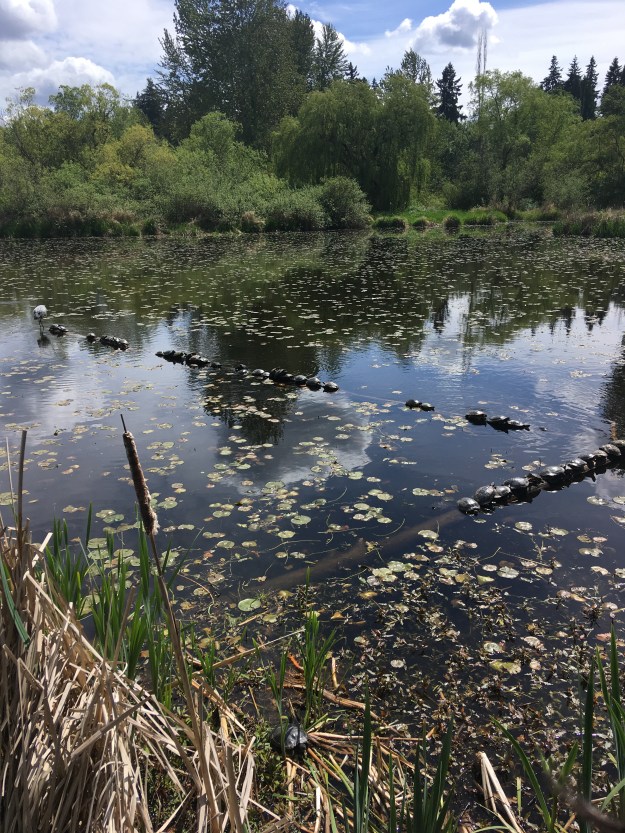
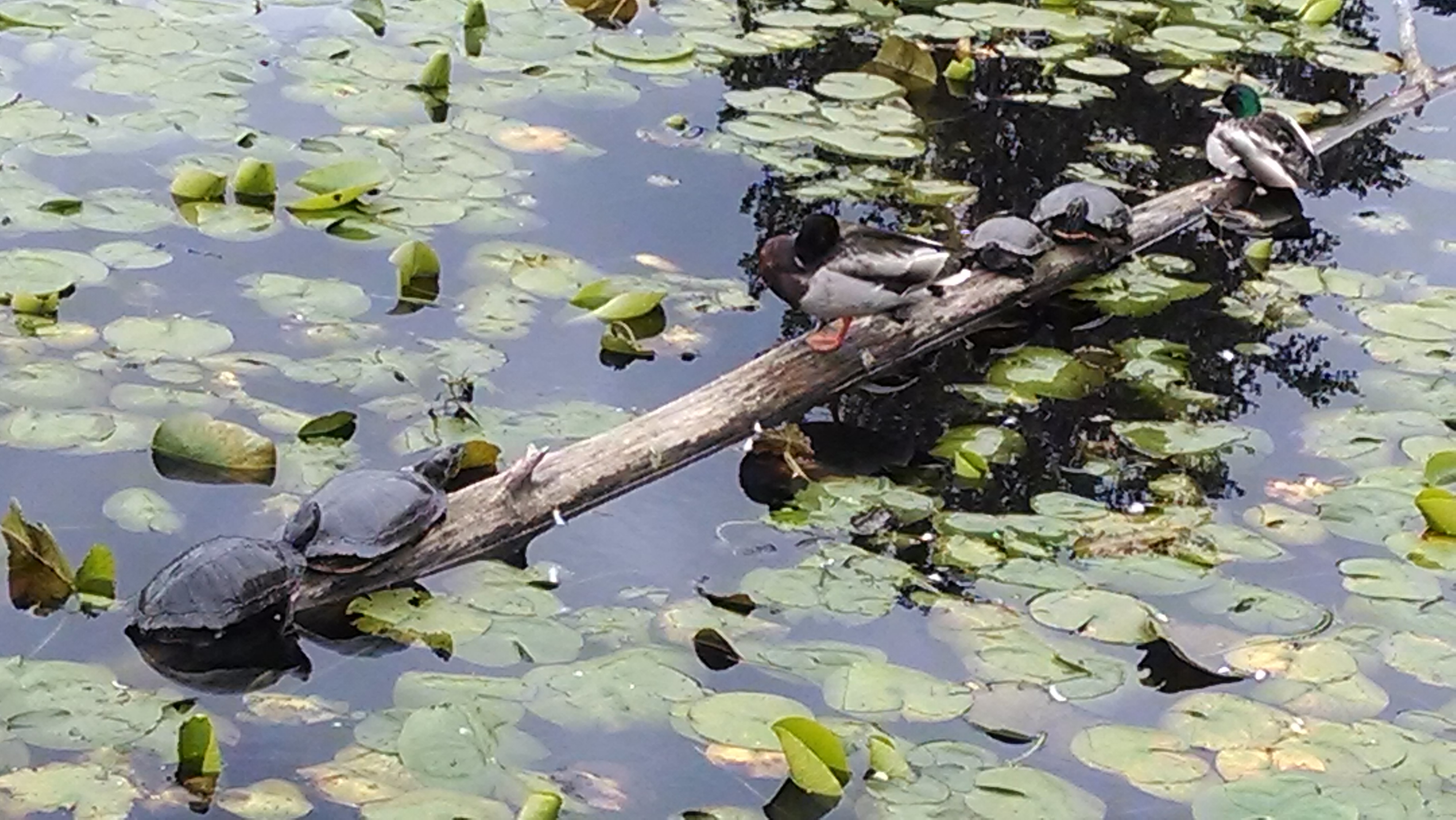
Today, we went to Juanita Bay Park in Kirkland, WA. It looks small from the road, but then you get in and it’s a huge park with lots of trails and board walks. We saw a mama duck with 7 ducklings, lots of other ducks, red-wing blackbirds, and lots of turtles sunning themselves on logs. We spotted a baby bunny off the side of the path. And we checked out some ant hills on our way back to the parking lot.

One of the challenges of nature hikes is that sometimes the thing you want to see is a long ways away, or camouflaged. I think this offers great practice for toddlers in observation skills. When they look out at this sea of lily pads, can they spot the mama duck? How about the babies? It’s also good for listening to directional information: like when I was pointing out a squirrel, and said “look way over there, in the tree with the white blossoms on it. Do you see the tree? There are two branches on the right side – the squirrel is on the top branch”, there’s a lot of vocabulary and concepts that go into understanding those directions.

For more ideas for nature activities with your child, click here.

20210508_202819448_iOS

* If you’re thinking there are no wetlands near you, I’ll tell you that today I looked at a map on a sign at the park, and it showed wetlands in every single state – I grew up in Wyoming, and the map showed wetlands in the northeast quadrant – now I’m curious where they are!

Cheap Dates with Toddlers: Nature “Shopping” and scavenger hunts

leaves

Are the long months of winter/spring/rainy season getting to you and your kids? Are your kids starting to make you crazy? Here’s a quote I love:

“If your kids are bouncing off the walls, remove the walls.”

Even if it’s pouring rain, you can still go out in nature. That’s what rain coats and boots are for! On especially rainy days, I like going for hikes in the woods, where the trees help to shelter you from the worst of the rain.

Try Nature “shopping”

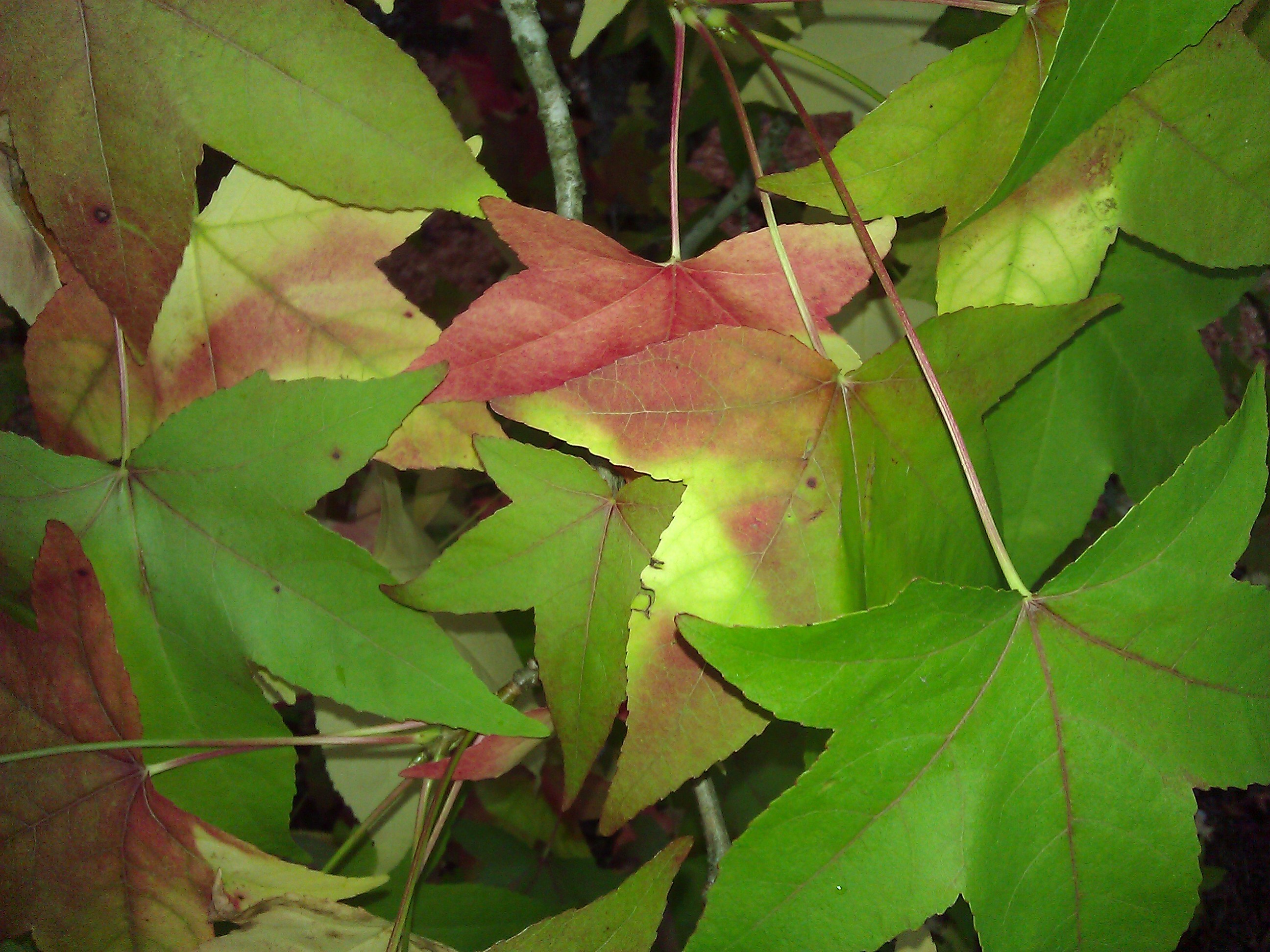
Take your kids out in the woods, and let them make collections. They can gather rocks, or seashells, or autumn leaves, or pinecones. Whatever they choose. As you explore, let them gather as many as they want (you may even choose to bring along a bucket or bag for them to collect into.) Near the end of your hike, pick a sheltered spot to examine the collection. Talk about colors, sizes, shapes, textures. Compare and contrast them. Sort them into categories. (Not only is all this fun for kids, you’re also teaching some foundational skills for science learning here… did you know that many Nobel winning scientists talk about the time they spent exploring nature as a child as one of their fundamental learning experiences?)

When you’re done examining them all, tell your child they may choose one special item to take home, but that you will leave all the other items out in nature. Remind them that these things serve a homes for animals and are also there for other children to see and discover. [Note: it helps to tell your child at the beginning of the process that they will need to leave most of these items in the park at the end of your time there.]

Collecting photos

You could also tell your child that you want to collect photos to make a nature book with. Tell them that on your walk, they should point out to you anything they think is special, and you will take a picture of it. Later on, it’s easy to do some quick cut and pasting into a word document or whatever to make up a page with a collection of photos that you can print and post at home. (If your child wants to take the pictures, check out these tips.)

Note: if your child wants to collect bugs, this may be a way to satisfy them without letting them pick up and carry the bugs home!

Scavenger Hunts

For ages 3 and up, you can prepare a list of things you would expect to be able to see or hear or do on your outing. Bring stickers along and as you’re out on an adventure, any time you find one of the items on the list, your child can put a sticker on it. Then when the scavenger hunt is complete, you can have a snack together as a reward. Ideas for scavenger hunts (some borrowed from Teacher Ann at Tiny Treks… )

  • Things to listen for: crows, woodpeckers, running water, wind in the leaves, people’s voices in the distance
  • Things to look for: pinecones, mushrooms, ferns, moss, spider web, bugs
  • Things to do: balance on a log, jump off a log, splash in a puddle, throw a rock in a stream, build a ‘log house’ with sticks, make a circle of rocks

If you’re in the Pacific Northwest, I have a series of handouts about plants you’ll find in our woods, and a scavenger hunt where kids search for salal, Oregon grape and more. Find them all here.

I find that being inside with my toddler and trying to encourage him to use his inside voice and inside manners all the time can be exhausting. Letting him run outside and be as loud as he wants is such a relief. Both of us feel much better after our time outside.

There’s also lots of other great benefits to outdoor time.

Cheap Dates with Toddlers: Rock Shops and Plant Nurseries

rocks

[This series includes lots of “toddler date” ideas for something fun and simple to do with your toddler. The big picture ideas apply to any locale. Specific examples are from the Eastside of Seattle.]

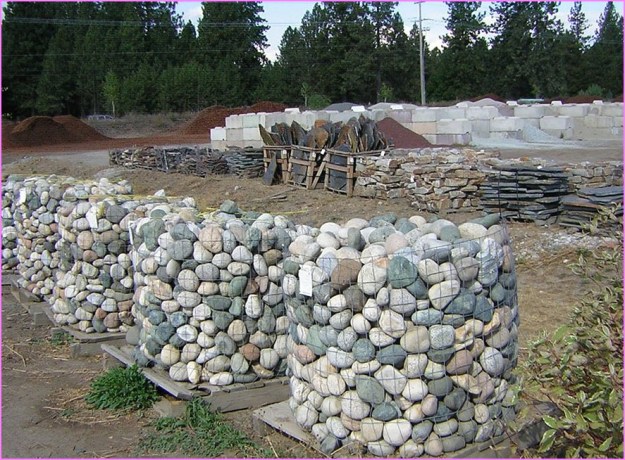
When we were having a house built years ago, I went to look at slate for the patio, and discovered a great toddler activity. Kids LOVE rock yards! You can wander around amongst all the huge boulders, and piles of slate rock, and bins of river rocks, looking at all the colors and forms of rocks. We went many times over the years, and each time I would let them pick just a few bits of broken rock from the ground to take home as a souvenir. I have always had a fondness for Marenako’s in Preston, what my daughters called the “Rock Shop”. You can also check out Rock Mountain outside Redmond. They’re also a plant nursery and aquatic nursery supply.

Plant nurseries are also nice places to go walking and exploring. Many have koi ponds where you can watch the “fishies” swimming. You can pick a packet of seeds to take home as a souvenir of that trip, and then you have a rainy day project and the on-going interest of a growing plant to enjoy. Check out Wells Medina Nursery, just northeast of downtown Bellevue.

Find more fun rock-themed activities for kids.