Category Archives: Child Development

Talk, Walk, Squawk

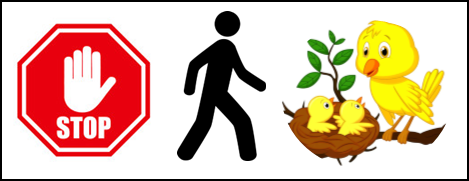
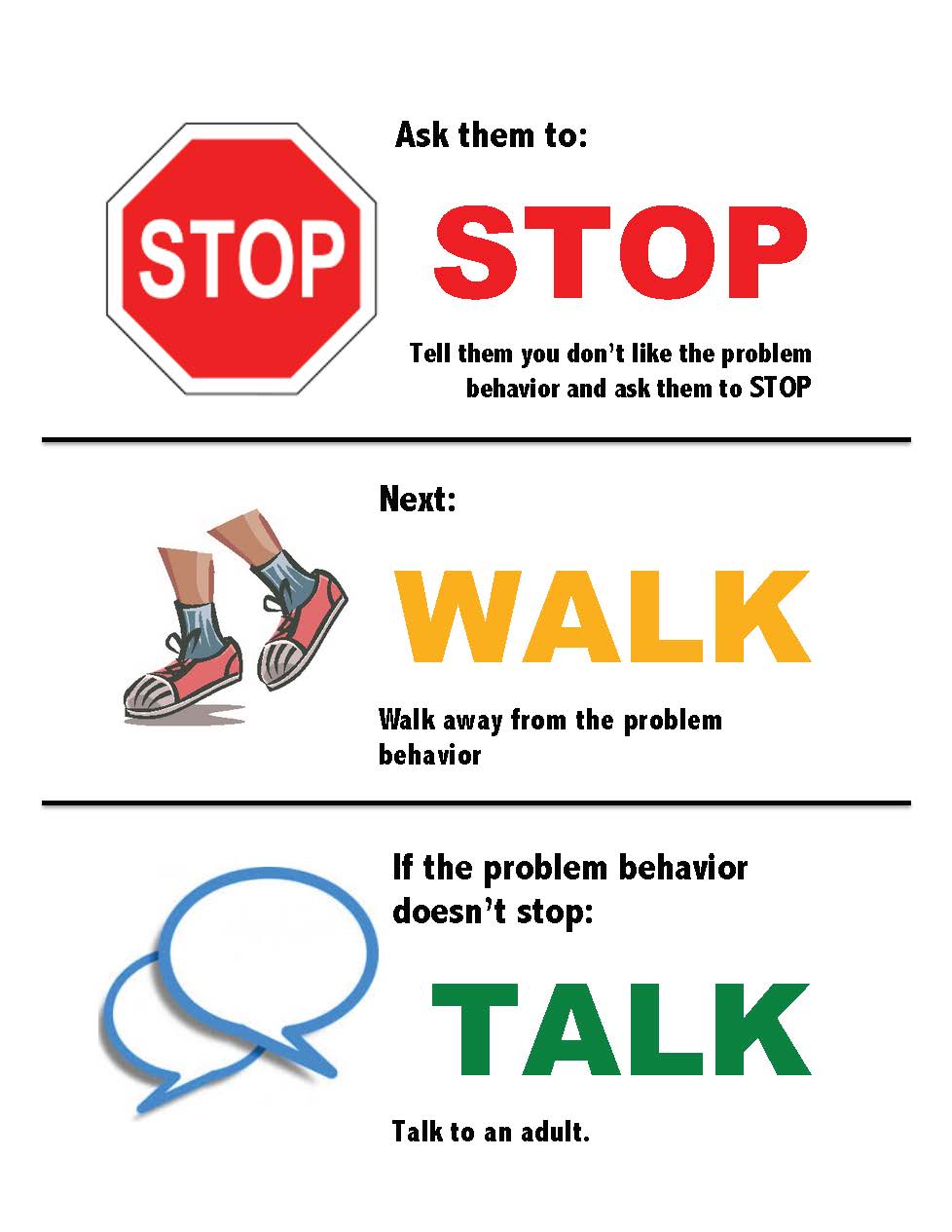
In a meeting yesterday, I learned something that was a new idea to me: teaching kids that when another child is doing something they don’t like, they should “Talk, Walk, Squawk.”

I have learned that it is a fairly common “bullying prevention strategy” taught to elementary school students. I think the method would also work well with preschoolers, but I would never present it as bully prevention at that age. When preschool age children push, or steal a toy, or say something that feels hurtful, it’s very rare that it’s an intentional “bullying.” They push because it’s hard to wait for your turn on the slide when your impulse control is still developing, they take a toy because they want to play with that toy and their empathy is still developing, they say whatever comes to mind without being aware how it could feel to someone else.

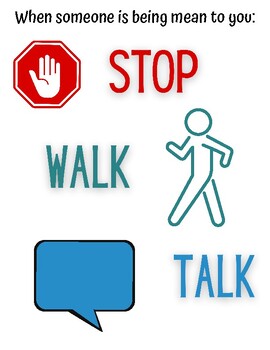
But I do like the basic idea at the preschool level, because it gives kids an easily understood collection of options for what to do when another child is doing something that bothers them. (Note: some examples describe this as “what to do when someone is being mean to you”, but that assumes ill intent from the other person.)

You could choose what order to teach them in: some start with a “walk away” plan – you can always choose to remove yourself from the situation; some start with “stop” – first you say “stop” to quickly let the other child know you don’t like what’s happening; some start with “talk” – explaining what you don’t like (although I’d recommend instead teaching to explain what you would like the other child to do instead – we know children are more likely to respond well if you tell them what TO DO, instead of what not to do).

It’s also important to teach “Squawk.” You could think of this as “tell a grown-up”, but I prefer “ask a grown-up to help you problem solve the situation.” The tell a grown up approach could fit into a more authoritarian model where the grown-up intervenes and punishes, the ask a grown up for help fits better in a model where you’re supporting the children in learning their own problem solving skills, and learning what it means to interact well with others.

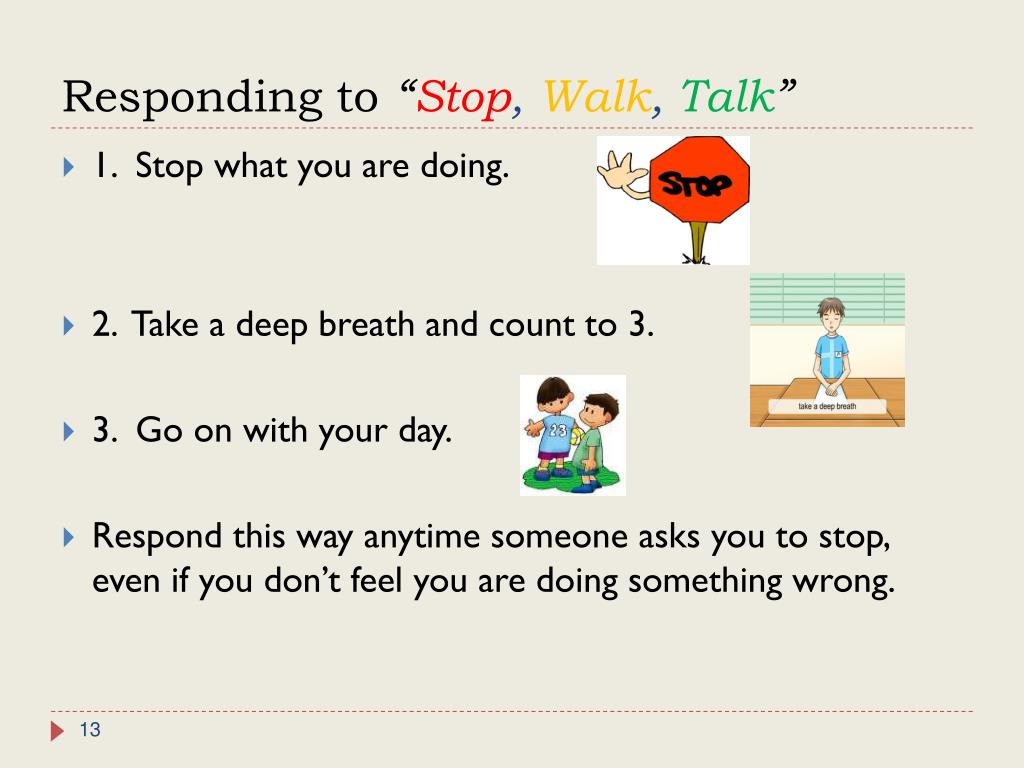
You can also teach children how to respond to being told to stop. Stop what you are doing, take a deep breath, try doing something different or asking a grown-up for help. They should know that if someone says stop, they should stop, even if they don’t think they’re doing anything wrong.

Resources: More info about the Stop-Walk-Talk method; A sample social story, a sample poster.

Key Principles for Supporting Learning

This post is the text of a handout I created for orientation at my co-operative preschool (I’ve added links for learning more), so it talks about how we do things in our classroom, but all of these 12 principles apply to parents and teachers in all settings.

Respect! Let’s commit to a fundamental belief that everyone here (kids and parents) is doing the best they can given their developmental level, skills and knowledge, and challenges in their past and current environment. And… we all have bad days. When you have a bad moment, call yourself on it, apologize as needed, forgive yourself and commit to doing better. When someone else is having a bad moment, don’t judge.

Kids do well if they can. If someone (kid or adult) is “mis-behaving”, ask yourself: What skills do they lack? What support do they need? What stressors are making it hard to do well right now? When those things are noticed and addressed, behavior improves.

Everyone does better when they know what to expect and what’s expected of them. Consistent routines, clearly explained expectations (not “unwritten rules” they need to guess), well thought-out limits and follow-through on promises (both promised rewards and promised consequences) create an environment where a child can do well.

All feelings are OK. (Not all behaviors are.) We all have lots of big feelings. We’re all learning how to manage them appropriately. When a child is calm, we can teach appropriate ways to express feelings. When someone has big feelings, it helps to validate that. If their feelings led to bad behavior, also address that: “Wow, you were mad she took your toy. I understand. But you hit her, and that was not OK.”

When someone flips their lid, co-regulate before anything else. When we are calm and feel safe, we have access to our whole fully developed brain. So a young child can speak in sentences, follow the rules, make fairly good choices. But, when we are really scared, or sad, or mad, or just overwhelmed by too much stimulus or too many demands, we “flip our lids.” We can’t speak, we can’t be reasoned with… If you have a child who is in full meltdown, it’s not the time to teach or to explain or to ask them to make better choices. Instead, co-regulate. Get yourself calm, get down to their level, speak in a quiet voice. Set clear limits and tell them what needs to happen next.

Every kid is unique and has different needs and capabilities. We are a multi-age class, so our kids are at different developmental stages. Development is asynchronous, so you might have a child with high skills in one area and low in another. Also, we all have different interests, different temperaments, different sensory and support needs, different degrees of flexibility before we hit a breaking point. If you find yourself worrying that your child is “behind” other children, or find yourself judging other children for areas they’re struggling in, remember this range. Judge each child’s progress based solely on – is this child progressing well from where they used to be?

These kids are little. They’re still learning. These kids are practicing everything. Practicing kindness, practicing sitting still and listening, practicing good choices, how to do things without making a mess. They’re going to make a lot of mistakes along the way or have days they’re not doing well. We’ll just keep working on it. Instead of telling them “don’t do that”, tell them what TO DO. Instead of assuming they know how to behave well, tell them what would be a positive action to do in that moment.

Growth Mindset / Power of Yet. “You can’t do it yet, but you’ll get there.” At times, a child can almost do something – they’re working on a puzzle, and they know how it’s supposed to work, but just can’t do it. That is super frustrating!! Don’t feel like you have to rescue them – sit by their side for support and encourage them to keep trying – suggest things to try but don’t jump in and solve it. When they make mistakes, say “hmm, we learned something that doesn’t work. What else could we try.” But… also notice when something is just too hard (or at least too hard in this moment). Teach that it’s OK to say “I can’t do this yet. I can set it aside and try again some other time.”

Process over Product. With crafts, we might have a sample of what a final product could look like. But the process is always more important. We honor a child’s right to make their own choices about what to do. (As long as they’re following the “make don’t break” rule.) What they learn in the process of doing something is more important than the product. So, while you are welcome to help them to do it themselves, please don’t just jump in and do it for them so it will “turn out nicer.” That’s not the point!

We are child-led, play-based. We set up a variety of great learning opportunities, but it’s up to the child to decide what they want to try, and how long to do it. If they start a project and don’t want to finish, that’s OK. If they only try two activities in a day, they didn’t “miss out” on everything else. They focused on what mattered to them.

Freedom Within Limits. Everyone Gets to Feel Safe. Everyone Gets to Play. We try to give children lots of choices. They’ll make some good choices and some bad. We want to let that happen so they learn from their mistakes. But, for the sake of safety (physical and emotional) and fairness, parents and teachers must set appropriate limits. We decide what options are on the table, and they decide from amongst those good options. If they do something unsafe or unfair, we set limits. For example, rough and tumble play is tons of fun, but only if everyone has consented and everyone stays safe.

Four Keys to Brain Development: Novelty, Repetition, Downtime, and Safety. Every time we experience something for the first time, we make new connections in our brain. Novelty is so exciting! Every time we see something familiar or repeat something we’re good at, we build competence and confidence. Repetition and routine is soothing! None of us can be learning and doing all the time. We all need breaks to rest and integrate new learning. Finding a balance of novelty, repetition and downtime and ensuring a child always feels safe and loved is the best way to support learning.

Handout

Here’s the handout version of this post – feel free to share anywhere.

How Parenting Changes as Kids Get Older

I often have the honor of working with parents for many years, from birth through age 9. The topics we focus on change as the children get older.

Stages of Parenting

Researcher Ellen Galinsky interviewed 228 parents (of 396 children) with diverse parenting experiences. She found common threads showing six distinct stages of parenting.

Stage One: Image-Making

Before the first baby is born, parents begin to create pictures in their minds of what parenting will be like and what kind of parent they hope to be. They began to adapt their home and their lifestyle to accommodate the child. They observe other parents and reflect on how they were parented to help create their self-image as a parent.

Stage Two: Nurturing

From birth through the first two years. Focused on physical care, soothing, snuggling, and playing. The main goal is to develop a relationship with their child. As the attachmentgrows, parents evaluate their priorities for how much time to spend with the baby versus other aspects of life, including other relationships, and how much of their identity is being a parent.

Stage Three: Authority

From about age 2 to age 5. Parents are more certain of their own identity as parents and of their relationship to their child. They begin to define the family’s rules, decide how strictly to enforce rules and what to do when rules are broken. The main task is deciding how much authority to exert over the child’s behavior versus how much freedom to allow.

Stage Four: Interpretive

The elementary school years. Parents evaluate their own strengths and challenges, and also evaluate their child in comparison to others and to their expectations. The main task is interpreting the child’s experiences as they are increasingly exposed to a world outside their family. Parents answer questions, and determine what behaviors and values to teach. They decide how and where the child spends time and with whom. They decide how involved to be, and when to make the decisions versus when to let a child make choices independently.

Stage Five: Interdependent

In the adolescent years, parents redefine their authority and renegotiate the relationship with their child, who is increasingly making decisions independently, out of the parent’s view. Parents need to trust that they have instilled good values in the child. They don’t allow their adolescent to have complete autonomy, but do allow for more discussion about rules.

Stage Six: Departure

As the child reaches adulthood, parents prepare for the departure, re-evaluate their parenting accomplishments and failures, and re-define their parenting identity and relationships. Parenting becomes less central to their identity and their daily lives.

Parenting in the Interpretive Stage

School and peer relationships assume the central role in the child’s life, and start pulling attention and energy away from the family unit. Parents have much less time with their children than before so need to be more focused on their goals for that time.

Here are decisions parents are making during their child’s elementary school years, as they realize the increasing separation between their identity and the child’s identity.

  • What kind of life do I want to provide? (And what can I afford to provide?) What do I say yes to in terms of new clothes or toys, and activities to do. What do I say no to? How do I manage the inevitable times when my child says “that’s not fair! All the other parents let their kids _____.”
  • How should I interpret the world for my child? For example, if they ask questions about race, death, sex, religion, and so on. How do I share my beliefs and values with them to give them an internal compass? (There are resources on how to talk about difficult topics at https://gooddayswithkids.com/better-you-than-youtube/)
  • How do I want my child to behave? (And have good behavior internalized as self discipline?)
  • What do I want them to be capable of and responsible for? (e.g. chores, practicing and playing an instrument or a sport) What new privileges / responsibilities will I introduce (for example: allowance, a phone, going places independently.)
  • How involved do I want to be involved in their life, at home and away from home?
  • When should I step in to help, and when should I back off and let them make decisions and try things independently?
  • How do I support homework?
  • How do I ensure they have the skills and knowledge to self-manage healthy habits like good nutrition, personal hygiene, and good sleep?
  • How involved do I want to be with the other significant people in their lives. (Friends, parents of friends, teachers, counselors, sports coaches…)
  • How do I support them when they’re navigating the emotional ups and downs of peer relationships? How do you monitor friendships while not overly interfering?
  • How do I hope to define our changing relationship? For example: how much do we hug, hold and cuddle as they get older? How involved are we in bedtime and morning routines? What do we do together for fun and connection?
  • When they are adults, how do I want them to look back on this time? How am I hoping they’ll remember what kind of parent I was?

A helpful resource for child development milestones for these years, and how to support your child’s growth and learning is: https://childdevelopmentinfo.com/ages-stages/school-age-children-development-parenting-tips/

Motivation

Today I was listening to a webinar with Ming Fung from Agents of Speech. The topic was “Decoding the Real Signs of Speech Delays” and he was primarily talking about parent coaching for language delays.

But one of his messages gave me one of those a-ha moments you get when someone says something that should be obvious, but says it more clearly than you’ve thought of it before.

When you’re trying to teach your child any new skill and it’s just not working, you should ask yourself “is it that it’s too hard? Or that they don’t want to do it?”

If it’s too hard, that may mean you’re trying to move too far too fast, and simplifying things into next achievable step might be more successful. It is better to have small successes than fail at a big reach. Ross Greene says that often when we’re thinking “they don’t wanna do it”, it’s really that “they can’t do it… yet.” And that they need more skills, new resources, or more structural supports to be successful.

If they don’t want to do it, he says “make sure they’re fairly compensated.” If it’s just slightly hard or slightly annoying or whatever, it may need just a little motivation. If it’s a big stretch, it may need a big motivation. If your child has special interests, you could find a way to teach that skill within that interest. (When my youngest child was resisting learning to write and draw, we would ask him to write requests for treats, like “kiss” for a Hershey’s kiss or “Cheez-Its”, and he would draw if we would draw Star Wars characters that he could copy.) Or, if they have a big passion, you can use that as a motivator. (My oldest was very slow to potty train, and saying “here’s the dollhouse you want – it’s a big kid toy. As long as you can keep your underwear dry, you can play with it, but if you need to go back to pull-ups, that’s OK – we’ll put the dollhouse away for a little while till you’re ready to be a big kid.”) Don’t force the learning, but show them there is a value in learning this new skill.

Now, you don’t want to overdo rewards. There are downsides to rewards. But sometimes it is a way to move your child forward toward something you want them to learn.