In my science class for kids, we make “discovery bottles” when studying chemistry. These are clear plastic bottles filled with liquid and glitter – when shaken the glitter swirls up and is suspended throughout the liquid, then it gradually settles back out. In this video, the glitter settles very quickly – if you want to slow it down and keep the glitter suspended longer, you can add glycerin, corn syrup or dish detergent to make the liquid more viscous.
Mindfulness bottles can be used in several ways:
A visual metaphor for escalated emotions: you can talk with a child about sometimes our feelings and thoughts get all stirred up – maybe we’re running late, and we spill our milk, and we can’t find our favorite toy – everything feels so chaotic and upsetting. If we can slow down and breathe for just a moment that helps de-escalate those big feelings.
A calm-down tool: When they’re feeling overloaded or escalated (in the yellow zone), they can shake the bottle, and then as they watch it settle, take some deep breaths to let go of the too-big feelings and too-busy thoughts and settle down.
Learning about the Brain: Heart Mind Kids says “You can use a glitter jar as a tool to explain how the brain works, in conjunction with the hand model of the brain. When your emotions are rising up, the brain (the bottle) floods with cortisol (the glitter) and you flip your lid (shake the bottle), losing access to the prefrontal cortex, its flexibility and reasoning capabilities. As you breathe, the cortisol dissipates (the glitter settles to the bottom of the bottle) and you feel calmer and the prefrontal cortex comes back online, making it easier to feel calm and make better decisions.”
Transition Tool: give to a child when one activity is winding down and it’s time to move on to the next. Having a moment with the glitter bottle may help them shift their attention and be ready to move on. These bottles can work especially well with someautistic children, helping them to focus and to calm down as the swirling glitter settles.
Timer: If you have one that takes a long time to settle, you can use it as a timer. “Shake the bottle, and when it settles down, then it will be someone else’s turn with the toy.”
Take a Break from Conflict: If some people are caught in an argument, talking over each other, have someone shake the bottle and everyone has to be quiet and breathe and calm down while the glitter settles.
Managing a VERY Bad Day. In the book Moody Cow Meditates (Video), a grandfather helps a young cow calm down by having him share all the bad things that happened that day, and as he shares each one, sprinkle a little glitter in a jar. Then he shakes them all up to see how he’s feeling now, and lets them all settle down. Note: this book is really long for a children’s book, and the first half is all about miserable stuff happening to a kid. I would probably just start reading in the middle, when Grandpa enters, introducing it to a child as “once there was a cow who was having a super bad day, just like you’re having right now.”
Find It game: Include one special item – maybe a heart shaped sequin or a star shaped sequin. When they shake it up, they then search / I-spy for that one special item in the swirling glitter. Good for increasing focus.
Fidget: Some people keep a bottle on their desk so when they’re distracted and need a brief brain break, they can shake it, watch it settle, then get back to work.
There are some children whose brains and bodies always seem to be racing. The parent may feel like they start playing with blocks with the child and then the child runs off to paint and while the parent is still putting blocks away and cleaning up paint, the child has already flipped through a few pages of five different books and is climbing the bookshelf. Or while doing one activity the child is looking around the room at other activities.
Talking to them may also feel like this – they ask a question, and as you start to answer it, they ask another question, and before you can answer that one, they interrupt to tell you what they had for breakfast. Parents (or teachers) may feel like they can never quite catch up.
It’s easy to fall into patterns of continuously scolding them to “stop!” or “pay attention!” It’s easy to see them as problem kids. However, they have a lot of important strengths, like curiosity, enthusiasm and energy.
Dr. Ned Hallowell* would say to these kids: “Your brain is very powerful. Your brain is like a Ferrari, a race car. You have the power to win races and become a champion. However, you do have one problem. You have bicycle brakes. Your brakes just aren’t strong enough to control the powerful brain you’ve got. So, you can’t slow down or stop when you need to. Your mind goes off wherever it wants to go, instead of staying on track. But not to worry… we can strengthen your brakes.”
Strengthening their Brakes
We can do several things to help them slow down and learn new skills like a longer attention span, persistence, and impulse control:
Routines: having predictable schedules, where they know what to expect and know what is expected of them. Visual schedules may help.
Break it down: they may have a very hard time doing a big task, but find it easier if you break it down into small specific tasks. So instead of saying “clean up this mess”, say “we have four steps – the first step is to put the Legos in the basket – when you’re done with that, let me know and I’ll tell you step two.”
Practice sticking with a task: try setting a timer and say “we’re going to do this activity together for at least five minutes. When we give persistence muscles a workout, they get stronger.” (Before you do this, try to get a baseline of how long they typically stick to a task. If they typically can do 3 minutes, you don’t want to set a timer for fifteen… that would be too much of a stretch.)
Use a timer they can read and see the progress on (for example, an hourglass where they can see that their time is halfway up, or a kitchen timer, where they can see that the dial is halfway toward zero are both easier to understand than a digital countdown timer on a phone)
Tell them what to focus on. Instead of just saying “focus” or “pay attention” tell them exactly what to pay attention to: “I’m going to tell you the three things we need to do today, so I want you to listen till you hear all three things.” Or “right now the priority is eating breakfast – can you focus on counting each bite you take till you get to ten?”
Physical supports: Some children focus better in a class when they sit on a ball where their body can wiggle or they spin a fidget spinner while their brain pays attention. My child could focus better when he wore a weighted vest because the pressure gave his brain some tactile stimulation. Some children focus better if there’s some white noise or quiet background music. (It’s over-stimulating for others who do best when they wear noise canceling headphones.) Experiment to see what helps your child.
De-clutter! Too much stimuli can over-activate these kids. If they’re in a room with just a few toys, they do fine. If they’re in a room full of toys and decorations, they flit from one to the next non-stop and never settle down. (Read about “How Many Toys is Enough.”)
These kids LOVE novelty! But instead of buying more toys, keeping a quiet home environment that helps to settle them with familiar items to explore in depth. Then once a day provide new experiences outside the home – taking classes or going on field trips (even just a trip to the store) gives their brain the novelty it craves while also giving them somewhere to settle their energy.
You can also add novel experiences with existing toys without having to add new – like putting the toy dinosaurs with the blocks, or using toy cars with the paint.
Connect to their interests. If there’s something they have to do, but it doesn’t capture their attention, find a way to make it more engaging. For example, if they need to practice writing their letters and they are dinosaur fans, you don’t have to practice writing the words a teacher assigns – they could practice writing pachycephalosaurus.
Some kids with race car brains also have race car bodies. Make sure they do have plenty of opportunities to move their bodies and burn off lots of energy – I think of these as brain and body breaks.
On the other hand, if some activities just rev your child up more, it could be that those activities are over-stimulating (for my son it was playing indoors with with lots of other kids and lots of noise.) Try “heavy work” activities like carrying things, pushing or pulling things, sit-ups or push-ups. Or spend more time outdoors. Nature can be very calming to people whose brains are always racing.
Discipline and Race Car Brains
It’s important to know that some discipline techniques that work well with other kids might not work well with these kids. Parenting advice is not one size fits all.
I also find neuropsychiatrist Daniel Siegel’s writing on brain development to be very helpful. He says the “downstairs brain” is responsible for survival and emotions. It’s fully developed in a toddler. The upstairs brain is responsible for advanced functions like language, decision-making, impulse control and empathy. These take years to develop. When a child is very upset, extreme emotions block their ability to use their upstairs brain. They “flip their lid” and regress back to the downstairs brain. When they’re in this state, you can’t reason with them, you can’t ask them to make choices, you can’t expect them to “use their words.” Learn more: http://msue.anr.msu.edu/news/understanding_the_upstairs_and_downstairs_brain.
So, if you have a racecar kid in the middle of a meltdown, you’re not going to be able to reason with them or have long discussions about the implications of their choices. They can’t pay attention to a deep discussion when they’re at their best, and especially not if they’ve flipped their lid. They’ll do better with clear rules, concrete statements of what behavior you want to see, and quick consequences for misbehavior. See more tips in the Discipline Toolbox.
Is it ADHD?
*Note: Hallowell, who coined this race car metaphor, specializes in ADHD, so he is using race car brain to describe the ADHD brain. I am using it more broadly.
Many toddlers or preschoolers (2 – 4 year olds) may seem like racecar kids. If you help them learn skills to slow themselves down and calm themselves, most of those kids slow down as they get older and develop better brakes and would never be considered ADHD.
However, if you’ve got a child about to start kindergarten who you have been working on brake-building skills with for a year or so and you’re still seeing this race car brain, it may be a good idea to check in with their teacher or doctor. About 9% of children do have ADHD. Learn about criteria for an ADHD diagnosis and deciding whether to have your child assessed for ADHD, and how to access testing.
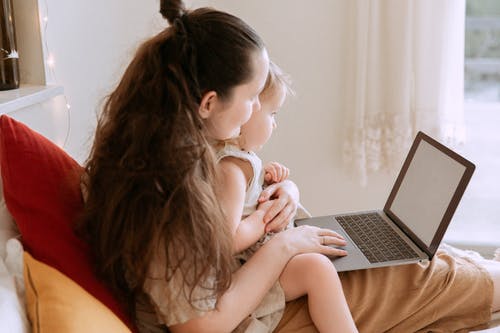
Lots of early childhood programs moved online in 2020 during the coronavirus pandemic. The majority have moved back to in-person, but online preschool programs will likely always be an available option in the future.
When parents hear that toddler classes or preschools are meeting online, they may have questions about whether it could be an effective method for learning. It is definitely not the same as in-person learning, and it is more developmentally appropriate to be in-person, hands-on, with lots of happy children interacting in the same room. However, there are lots of possible benefits to an online preschool or toddler program if that is the best option for your family, whether that’s due to health issues or disability, or to living in a location without access to good in-person options.
Here’s what can be gained in online preschool:
Routines: having a predictable activity in your weekly schedule helps to provide some structure. It provides an event to look forward to and reflect on.
Other Faces and Voices: seeing other children and a teacher can be delightful, your child will learn by observing their peers, class can also expose them to diversity and broaden their world, plus we know that children learn language better when they hear a wide variety of adult speakers.
A Listening Ear: for classes where they offer sharing time, children will have someone else to share their exciting ideas with, and will have a chance to practice their expressive language skills
A Chance to Practice Manners and Classroom Skills: one of the important aspects of an early childhood experience, whether that’s story time at the library, Sunday school at church, or preschool is that children get to practice sitting still, listening to someone else, participating in a group activity, and taking turns – they can practice all these things in an interactive call on Zoom.
Learning New Things: whatever the content of the class – music, stories, dance, art, or science, your child can easily learn new ideas from an online teacher, and if you’re listening in, you can reinforce the learning much more effectively than you could have reinforced what they were taught at a drop-off preschool.
New Inspiration: your child will get new ideas and you will get new ideas for things to try out at home and explore and learn from – you don’t have to feel responsible for coming up with all the learning ideas on your own.
Here is a handout where I offer lots of tips on help child succeed on Zoom and get the most benefit from an online program.
If you’re considering an online preschool, then you’ll want to ask many of the same questions you would ask of an in-person option: What do they teach? How do they teach it? Who is the teacher – what is their background and why do they choose to teach? And who are the other students? Learn more about these questions: https://gooddayswithkids.com/2014/01/17/questionsforpreschool/.
One major provider of online learning is Outschool. I have taught many classes there and my son has taken many classes. I wrote a comprehensive review of Outschool – the benefits and possible downsides. Many of these would also apply to other online programs.
When you start looking at preschools, you discover a whole world of jargon you never knew: play-based, emergent, teacher led, benchmarks, coop, Waldorf, Reggio Emilia, and so on. It can be overwhelming. And to make it more confusing, different people use words differently.. two schools that both call themselves “child-led” or “play-based” may look very different in practice.
A couple big picture ideas:
Structured vs. Play-Based: A structured preschool might use group time, worksheets, and individual projects to teach particular skills. Students may be drilled in the basics, or asked to practice things over and over. All the children are expected to be engaged in the same activity at the same time – they are all working on a craft project together or it’s math time for everyone. (Think of your elementary school education – structured preschools are using similar methods moved down to a younger group).
Teacher-Led vs. Child-Led: A teacher-led curriculum (may also be called didactic or standards-based) means the teacher always prepares the lessons in advance (it might be their own creation or they may use a curriculum written by someone else) and sticks to it. The teacher is active, the children are passive.
A child-led curriculum (may also be called emergent or constructivist) follows the children’s interests. So, for example, the teacher may know the math concept of the week is more than/less than. But instead of teaching that in a formal scheduled way, she asks the children playing with trains whether there are more blue trains or red trains, then asks the children playing with blocks which tower has more blocks in it, and asks the child who loves dinosaurs whether they think velociraptors ate more than T-rexes or less.
Classic Montessori: The teacher sets up learning centers around the room, with “self-correcting” materials (e.g. a puzzle where the child can tell if they’ve done it right or wrong and thus can work to fix it themselves if it’s wrong.) Children work independently at their own pace, and are in a multi-age classroom.
Note: Montessori schools can range in quality and in how tightly they adhere to Montessori methods. The word Montessori is not tightly controlled, and anyone can use it, no matter what teaching methods they use. Some schools use it because it’s a known brand name that “sells” well, but the classroom experience may only have a very loose connection to Montessori practices.
Rudolf Steiner/ Waldorf – Nurturing, predictable structure and routines. Natural materials, with time outdoors, baking bread, working with wool, wood, and wax materials, no plastic. Lots of imagination and oral story-telling, but no electronic media (families are discouraged from having any screen time at home). Reading is not taught until age 7. Learn more www.youtube.com/watch?v=CoW0pCIG-FM and www.youtube.com/watch?v=tZmAX5adCl0 and www.movementforchildhood.com/uploads/2/1/6/7/21671438/heardaboutwaldorf.pdf
Note: Waldorf requires all teachers and schools to be certified, so there’s much more consistency between schools with the Waldorf name.
Reggio Emilia. Child-led investigations. Project-based: when the children come up with an idea for a project, the class focuses for a few weeks on it, finding out together what they need to know to make it happen (including pre-reading and math.) They document projects with photos and journals. www.youtube.com/watch?v=XVv5ZL9nlgs
Nature-based or “forest kindergartens“. Common in northern Europe, they are newer to the States. There are several available on the Eastside of Seattle (My son attended Tiny Treks). Children spend most, or all of their time outdoors (yes, even in the winter). Child-led, play-based, emergent curriculum where teachers respond to children’s interests, rolling in math and science where it fits logically, often doing story-time, snack, and circle outdoors. To learn more, search for “forest kindergarten” on YouTube or check out www.youtube.com/watch?v=JBoXaQKoWL0
Academic preschools. There are preschools that have an academic focus that are taught in developmentally appropriate ways. But there are also schools which drill rote facts into children. That may mean the children will in fact learn to read words younger than they might otherwise have done, but this doesn’t appear to give them a long-term advantage. An occasional worksheet is a good experience for kids as preparation for future school experiences, but a worksheet-based curriculum is not appropriate for a 3 year old. (Read more: https://gooddayswithkids.com/2016/01/07/academic-preschools/)
Cooperative preschools. Most are balanced programs with time split between play-based learning at learning centers (e.g. dress-up area, block area, art, sensory), circle time (includes story time, literacy skills, and concepts like days, seasons, colors, etc.) and outdoor or big motor play. There is a professional teacher who plans the curriculum and leads structured activities. What distinguishes co-ops is parent involvement. For a 3 year old, they might attend preschool three mornings a week. On some of those days, the parent drops off. On one morning, the parent stays and works in the classroom with the children. This means there is a very high adult to student ratio. Co-op isn’t the best answer for a parent who needs child care so they can work or do other activities. However, for parents who have the time available, many report that they enjoy the time spent in the classroom, and like knowing more about what their child does at preschool and who the other children are in the class. Parents also have the opportunity to build friendships with other parents. Note: Cooperative preschools tend to be much lower cost than other options.
When considering which method you prefer, it’s worth keeping in mind what we know about brain development (see this post): Children learn best through hands-on experiences with tangible materials, through interaction with engaged human beings, and in environments where they feel safe and happy.
I wrote a full post about play-based preschool that provides an overview of how it works, and what the benefits are. This post gives specific examples of the types of activities you might find at a play-based preschool and has concrete examples what children learn from each.
Blocks / Building Materials
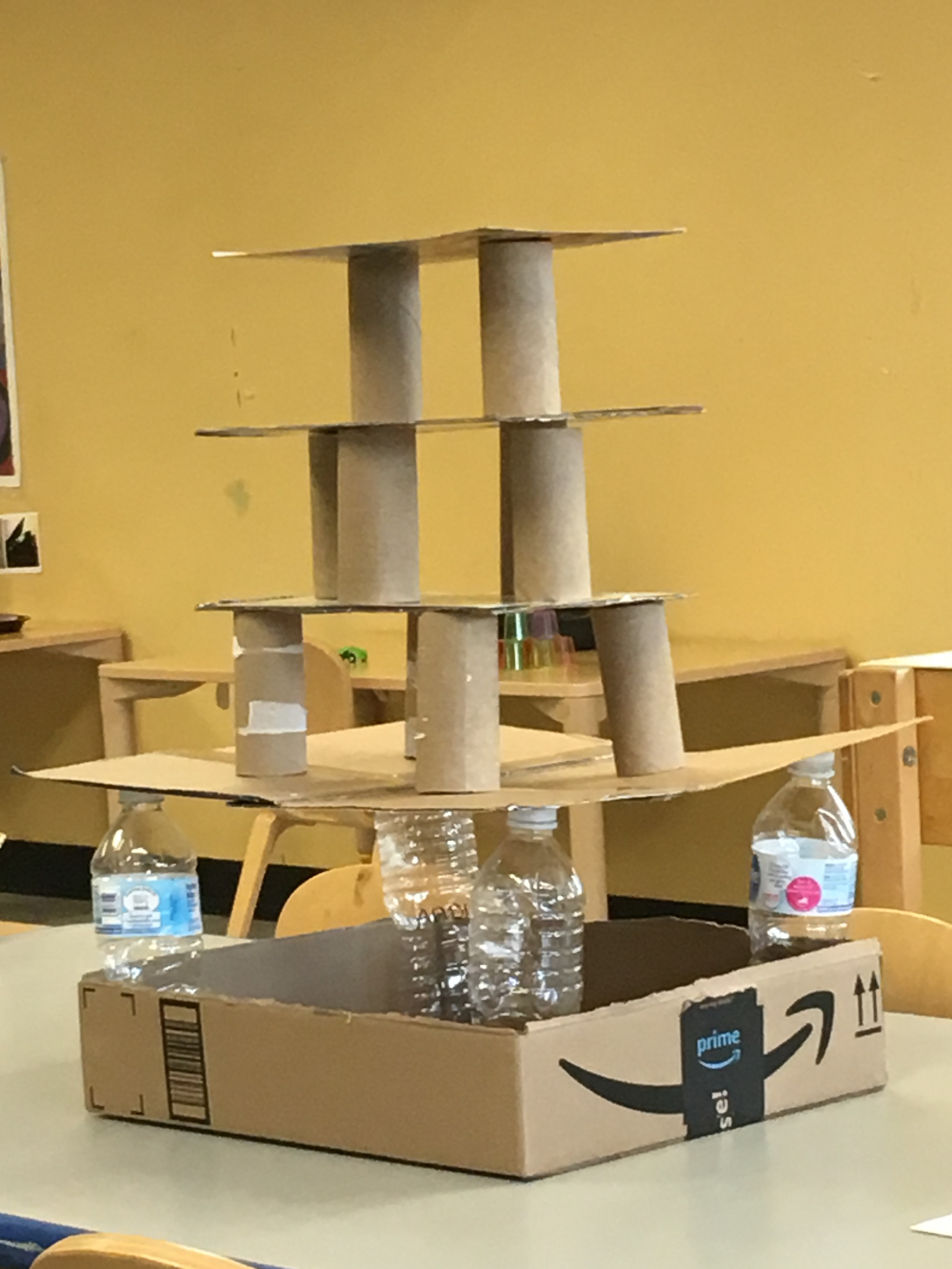
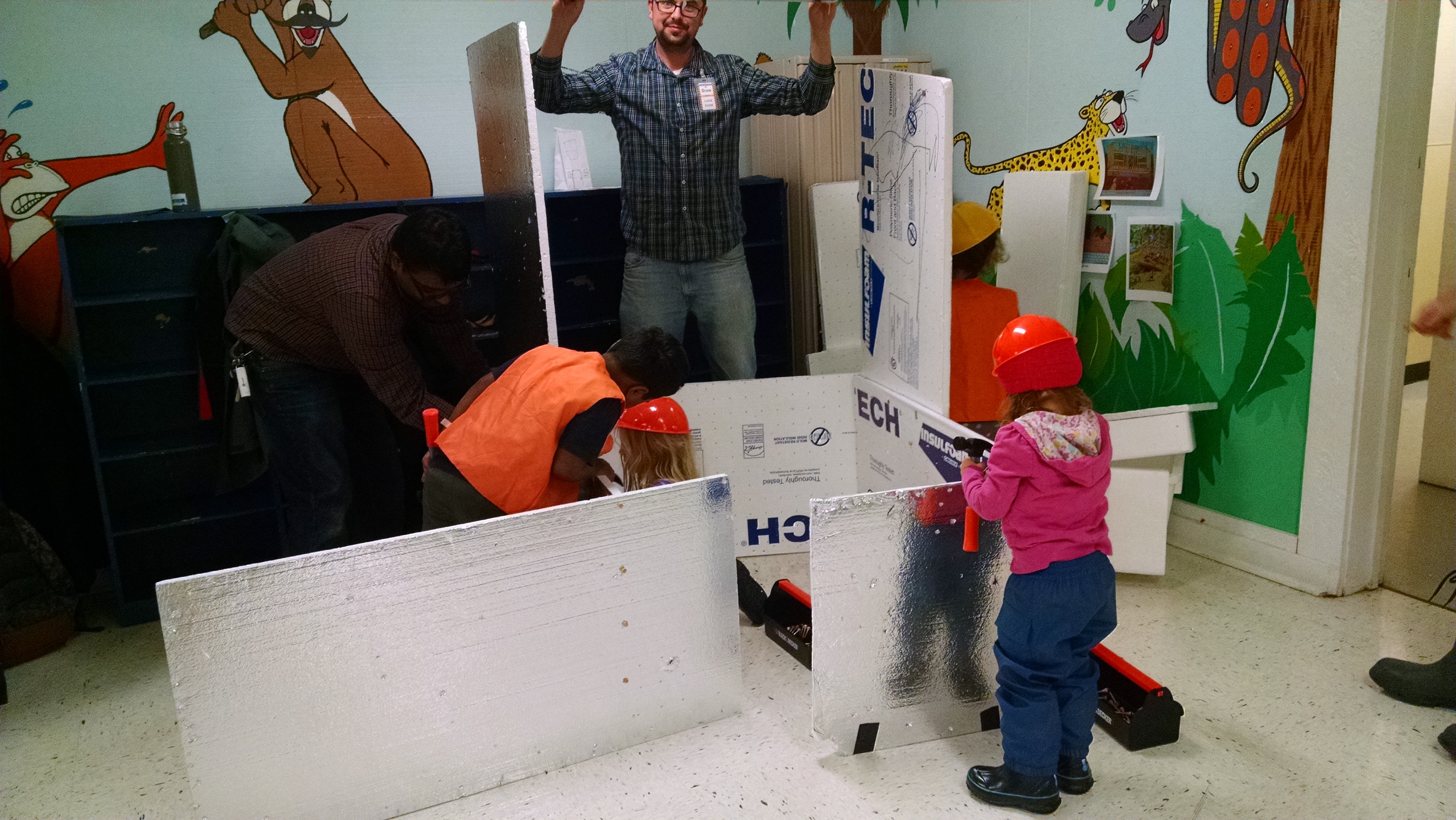
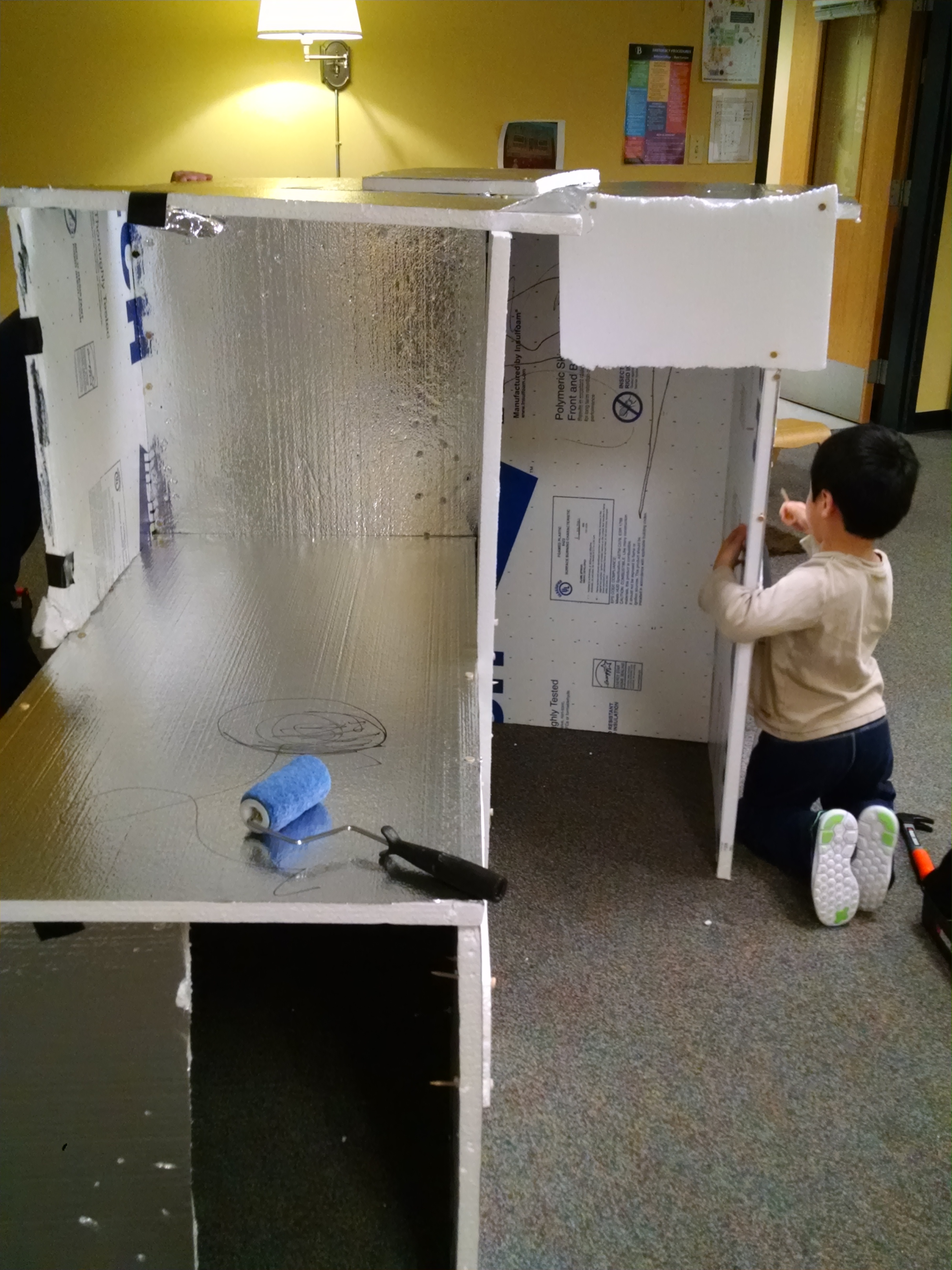
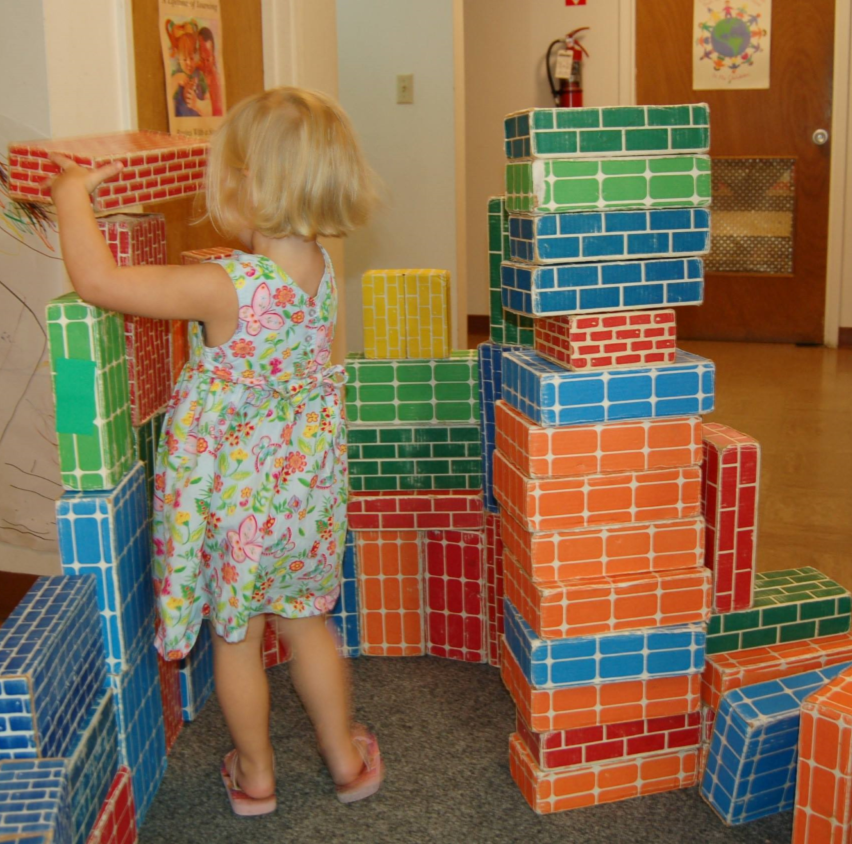
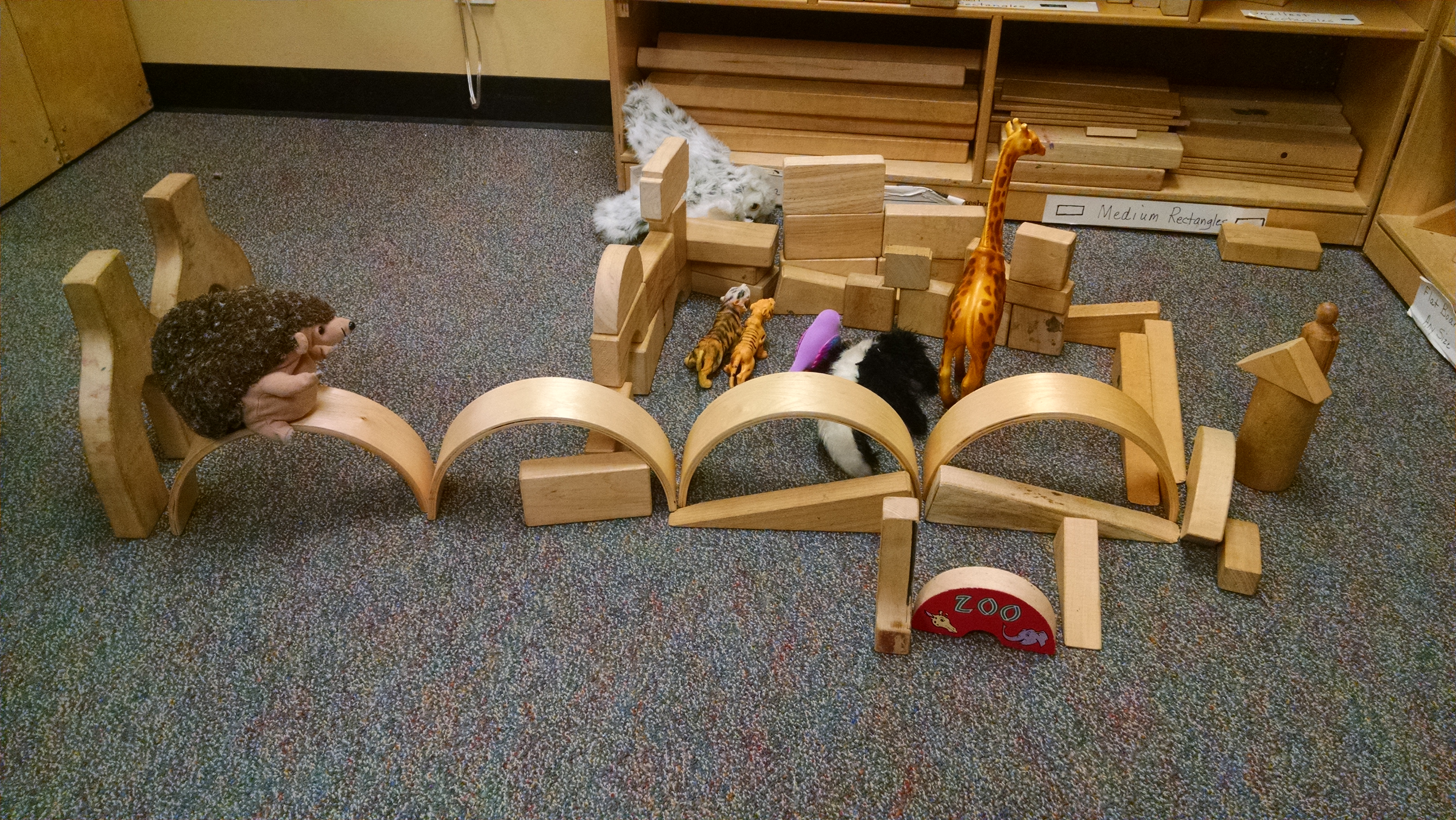
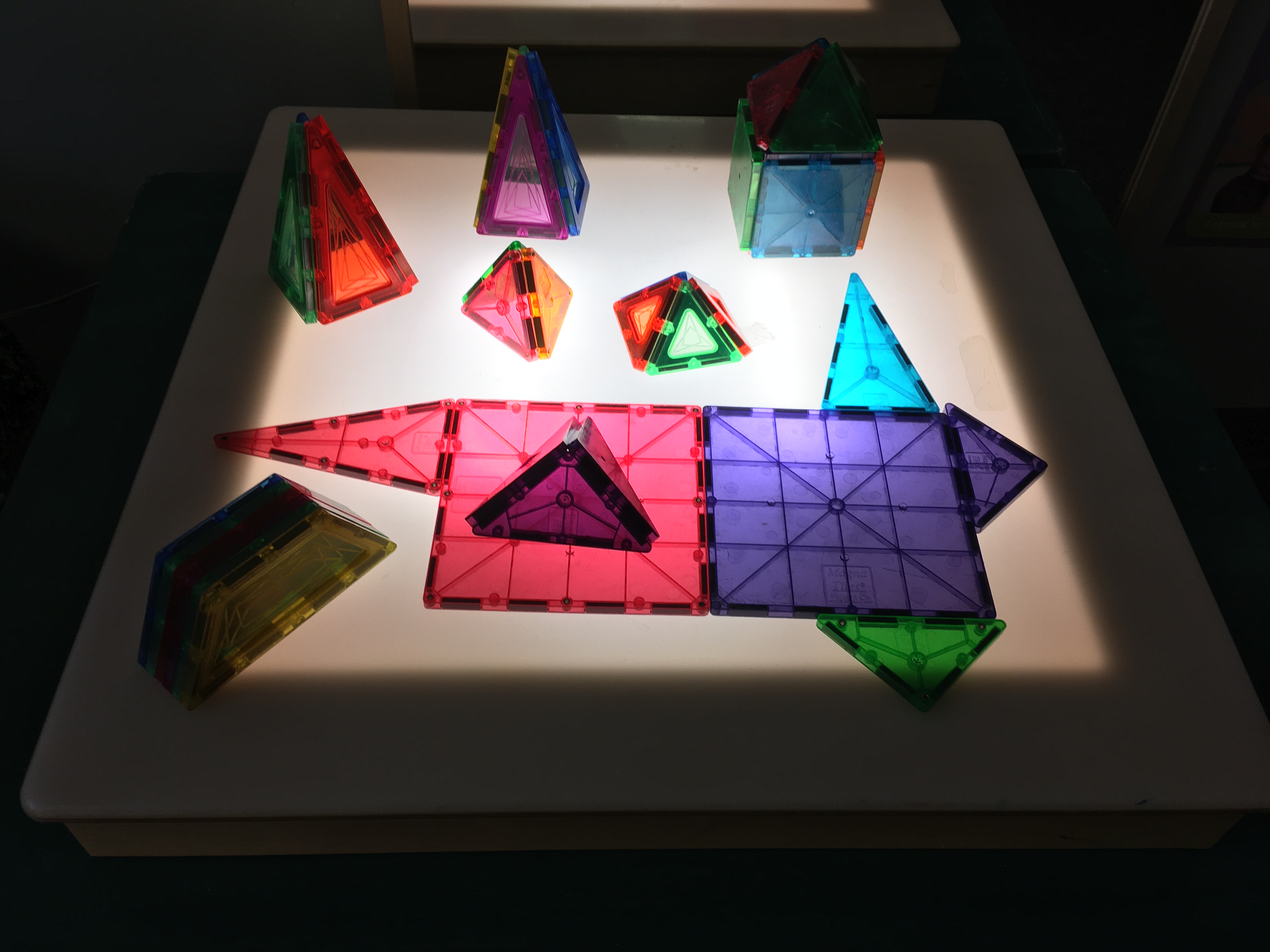
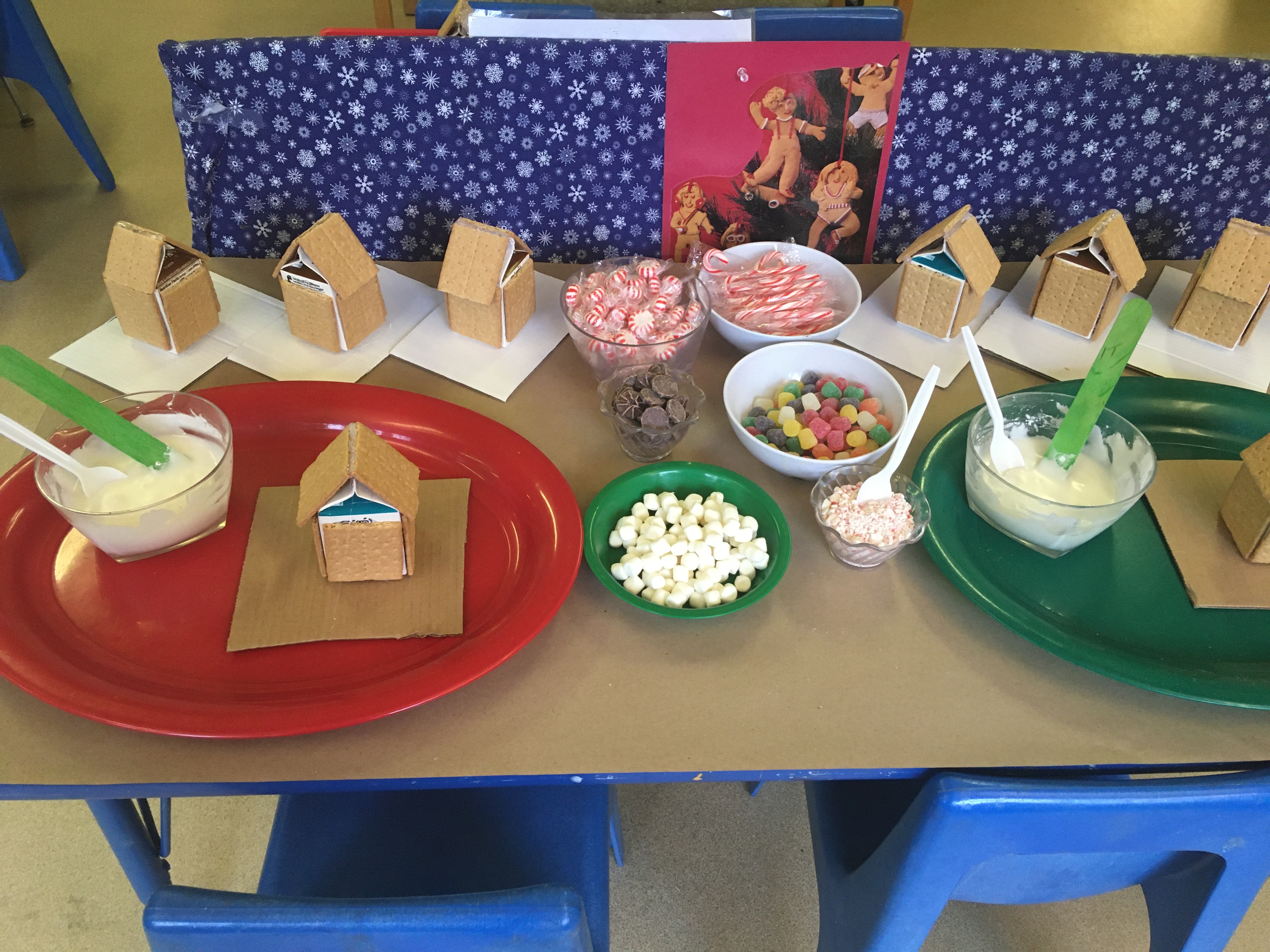
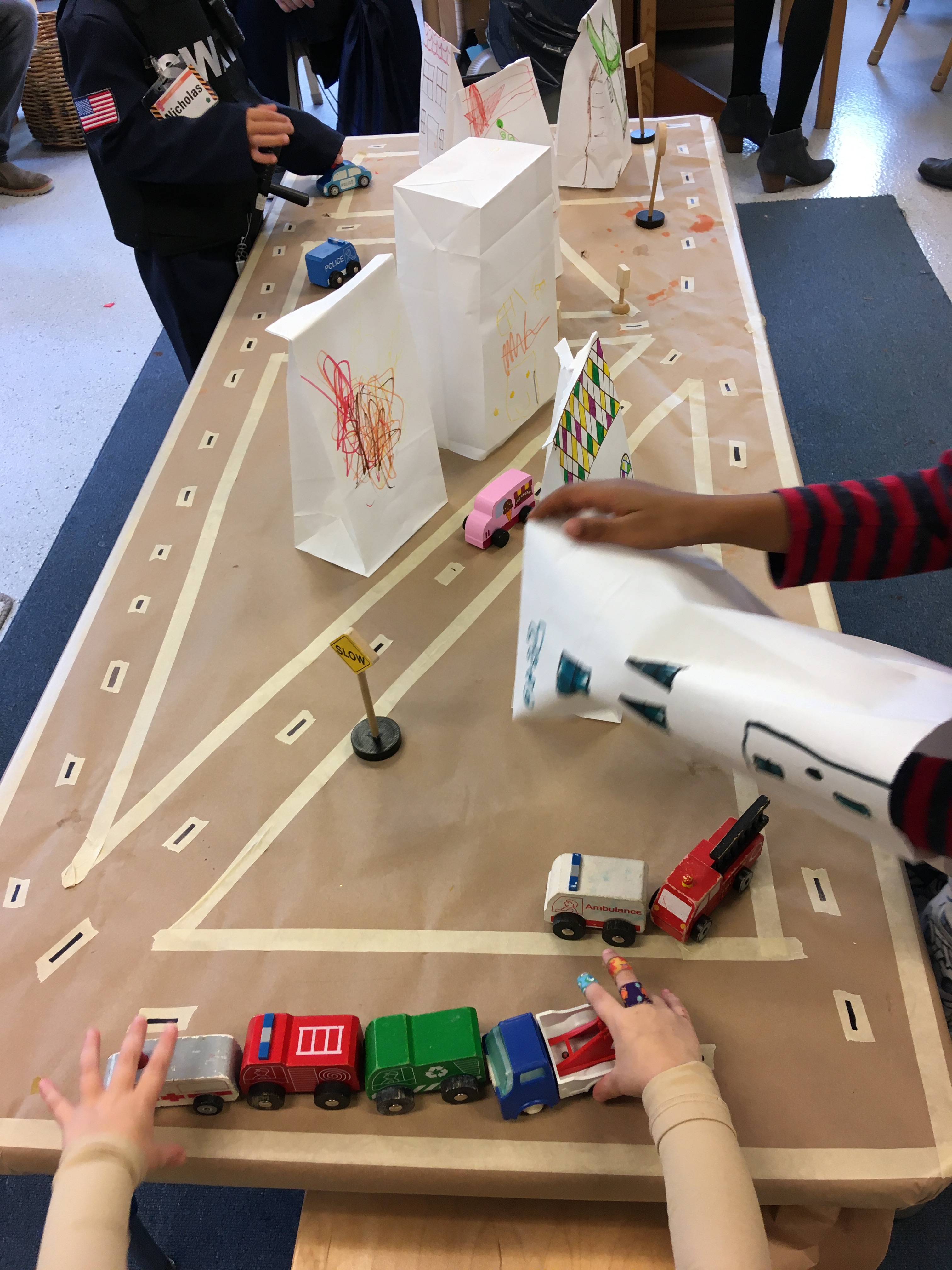
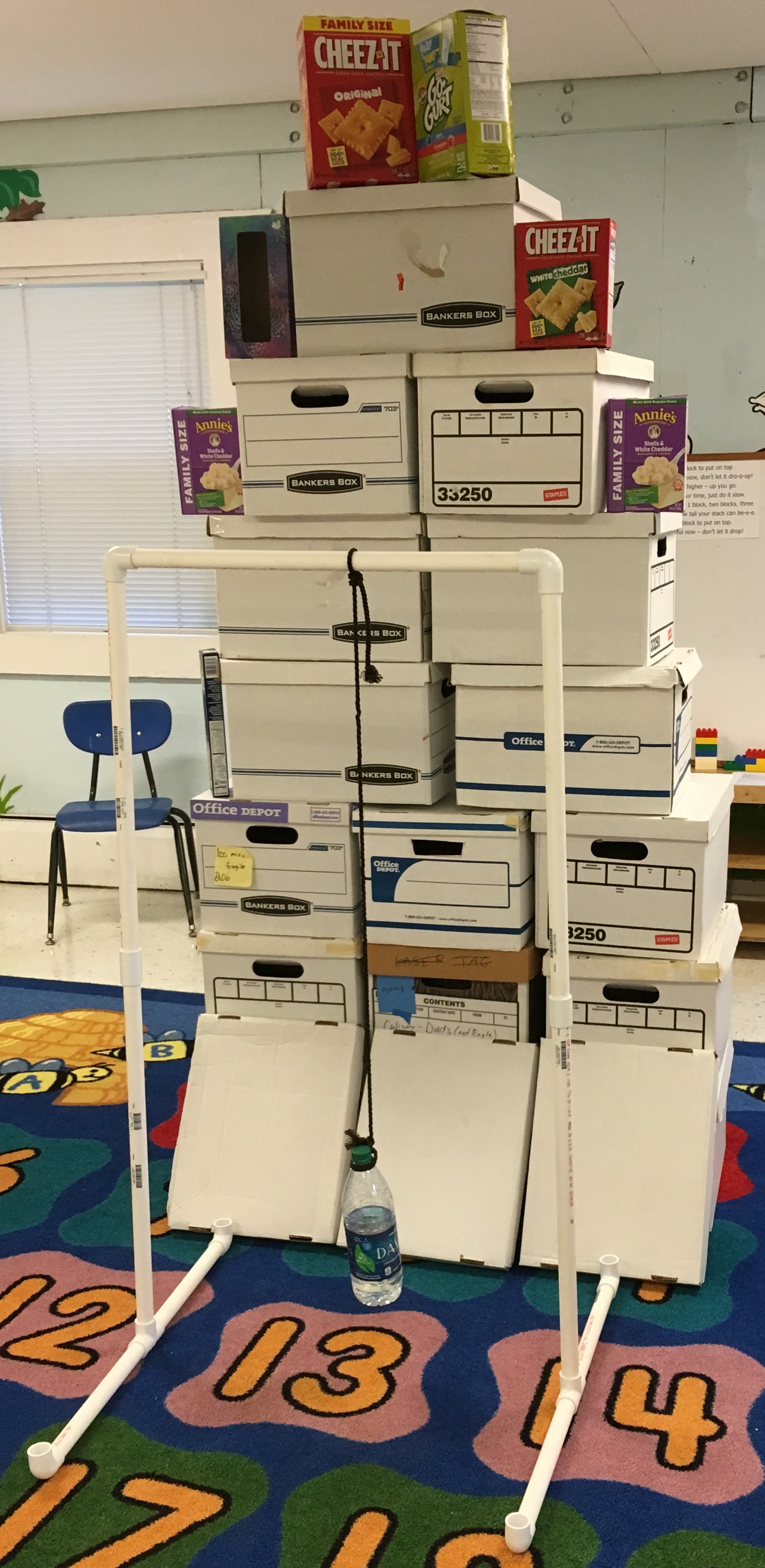
The Invitation to Play: the teachers may offer construction toys (like Legos, blocks, Magnatiles) or other creative building supplies (TP tubes, toothpicks and gum drops). Children are encouraged to use them to build any structure they choose. Teachers often mix in other supplies for inspiration: for example, add a toy giraffe and an elephant and children may build a zoo. Add cars and they’ll build roads and cities. Add pictures of famous buildings and they’ll build their representation of the Eiffel Tower. If one child wants to build a stable for her toy horses, and the other wants to make a spaceship, they have to negotiate how to share the blocks fairly.
When children build, they learn the basics of physics, spatial awareness, an understanding of what makes something stable. They learn about sizes and shapes and patterns – essential math skills. They problem solve and experience logical consequences that guide them in how to try again and build it better. They view themselves as competent creators.
Puzzles, shape sorters, manipulables
When a child puts a puzzle together or works with specially designed early learning materials, they learn important ideas about shapes, sizes, patterns, the relationship of the part to the whole, eye-hand coordination, small motor skills, and problem solving. However, many parents don’t buy many puzzles or pattern blocks, because they may be something a child just does a few times and masters. But at a preschool, they may have a whole cabinet full of spatial challenges for your child to explore.
Sensory Play and Play Dough
Sensory Play was once a staple of most preschools and many kindergartens. As public schools have shifted toward teaching academic skills that can be evaluated in standardized tests, sensory play is often phased out.
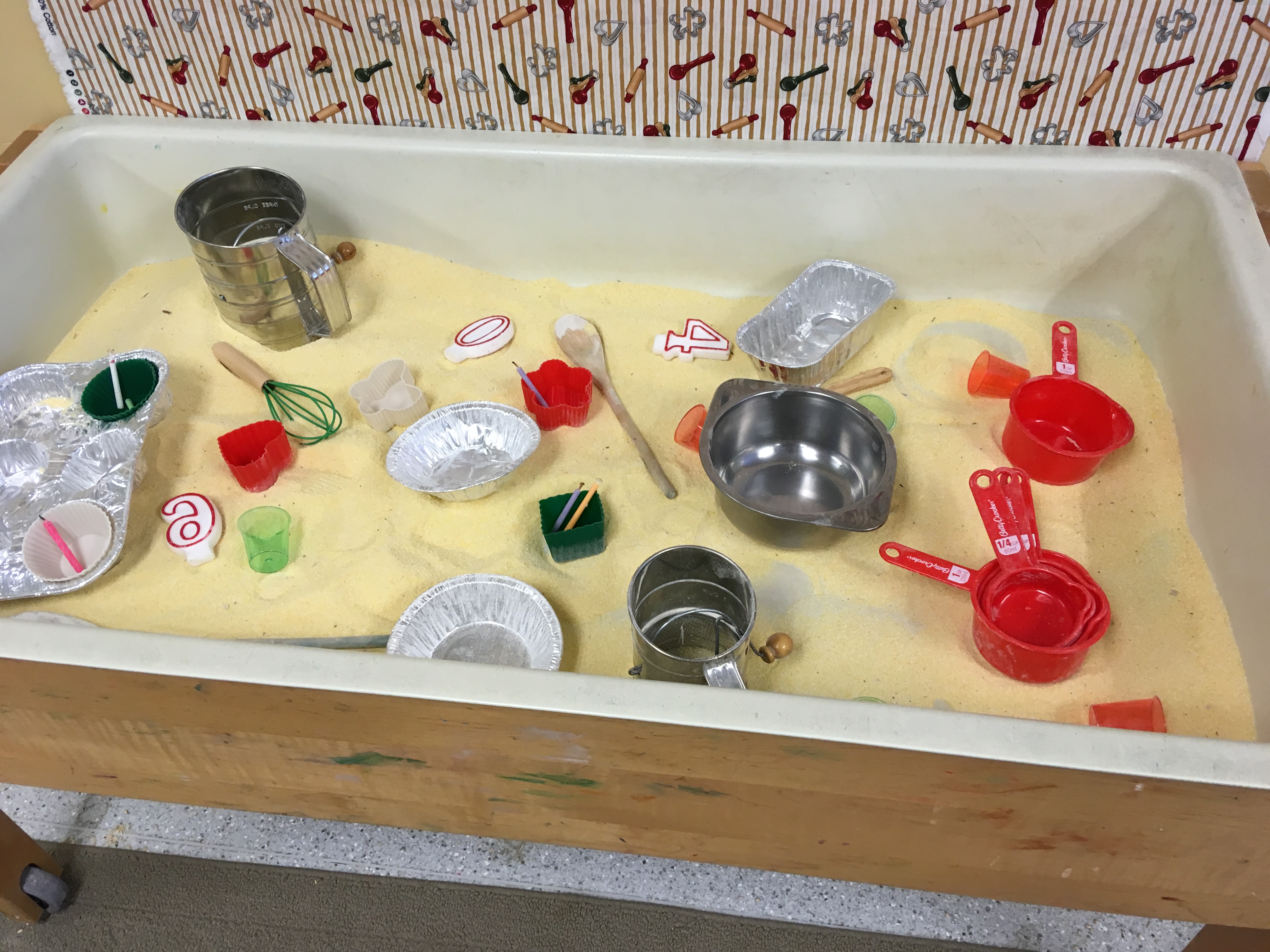
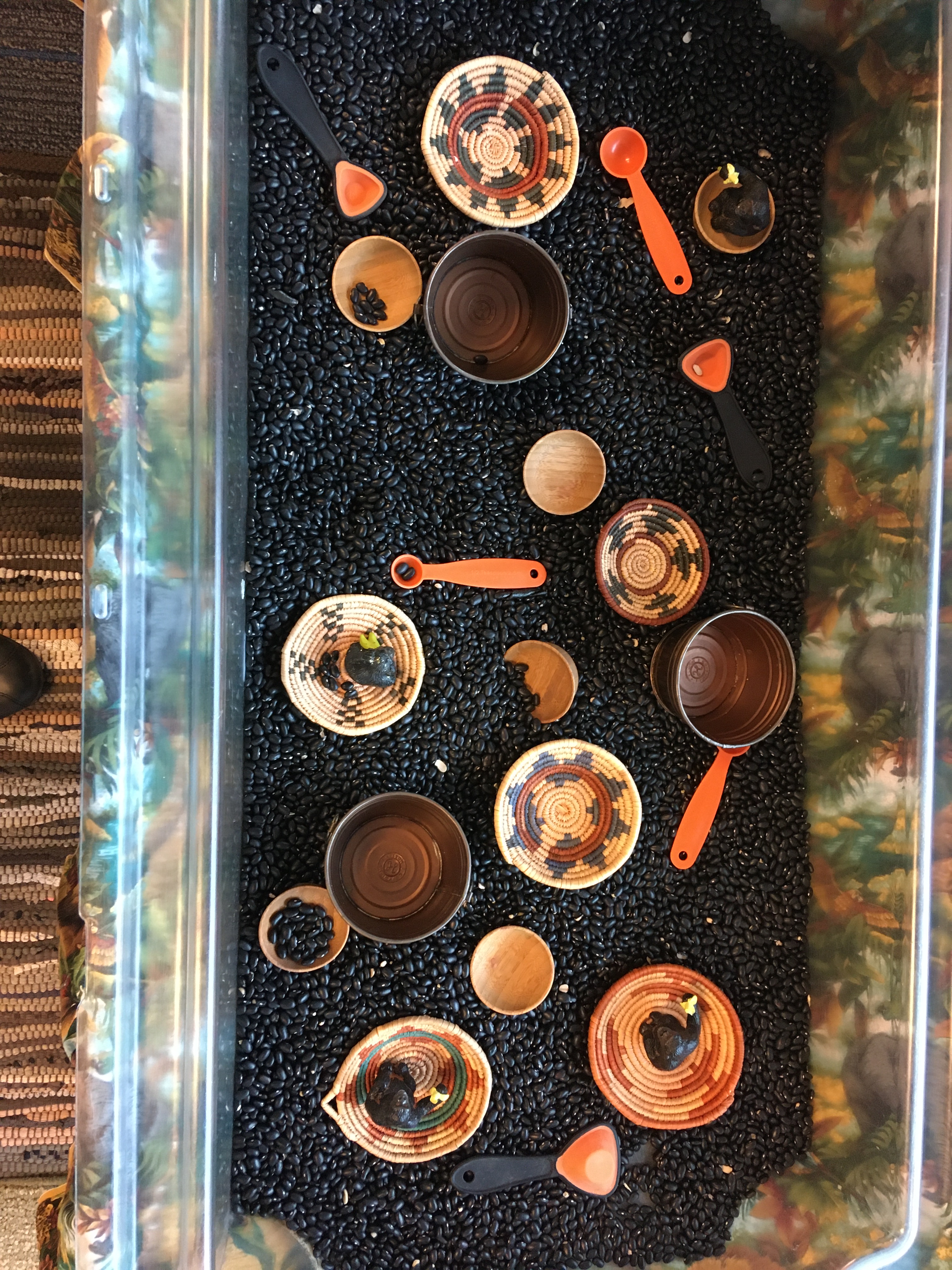
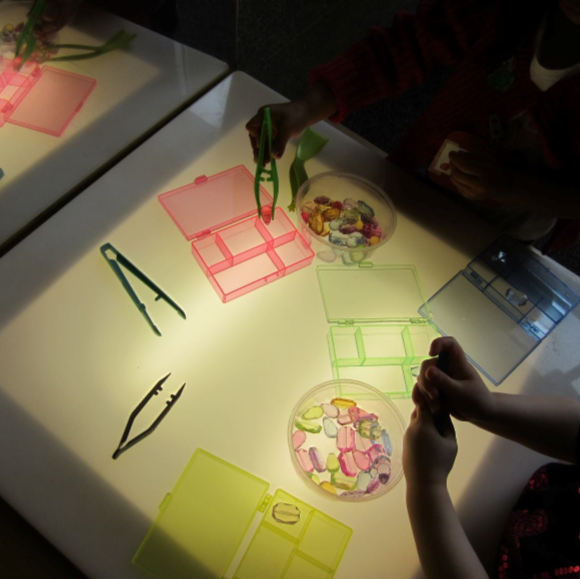
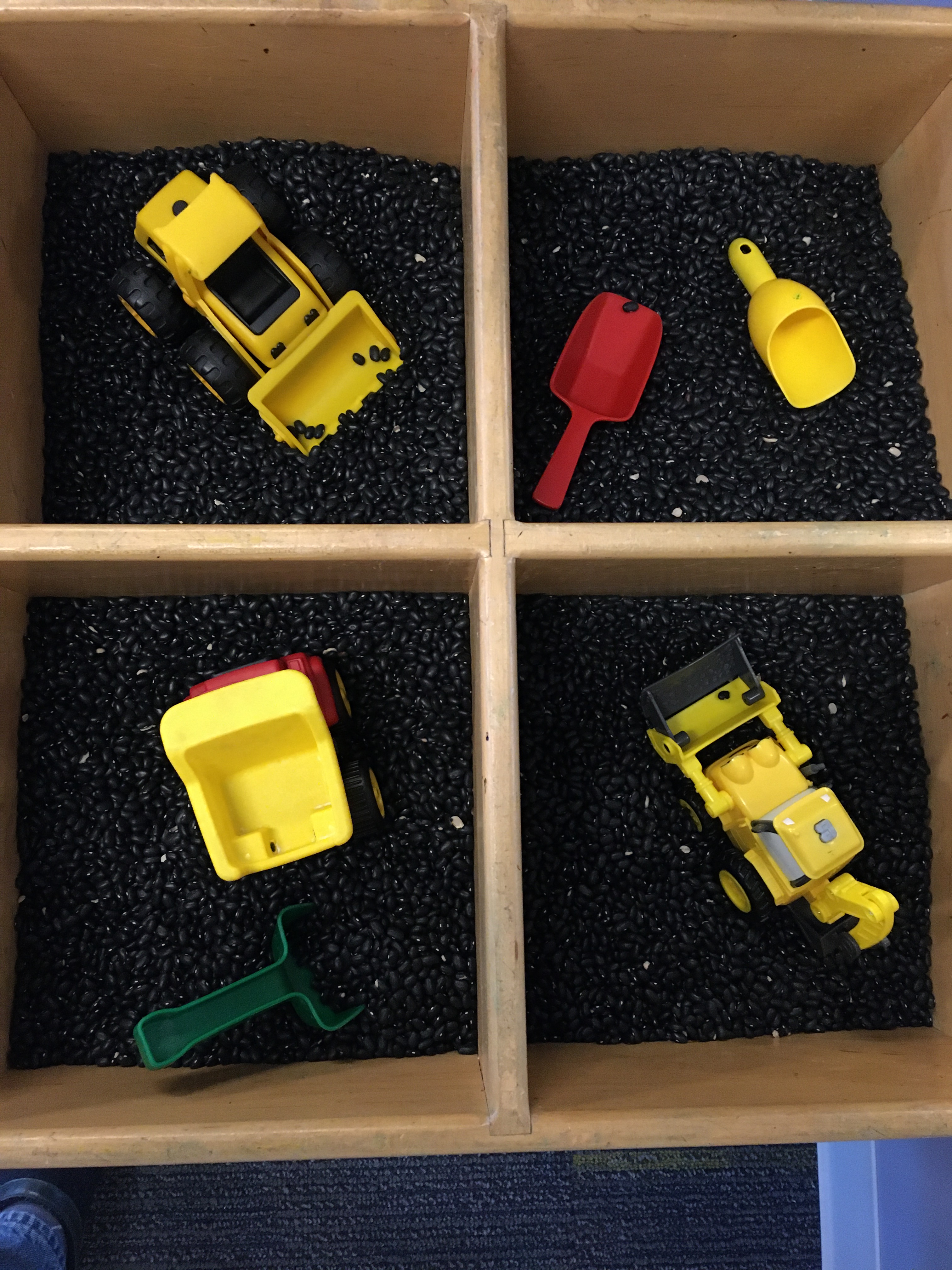
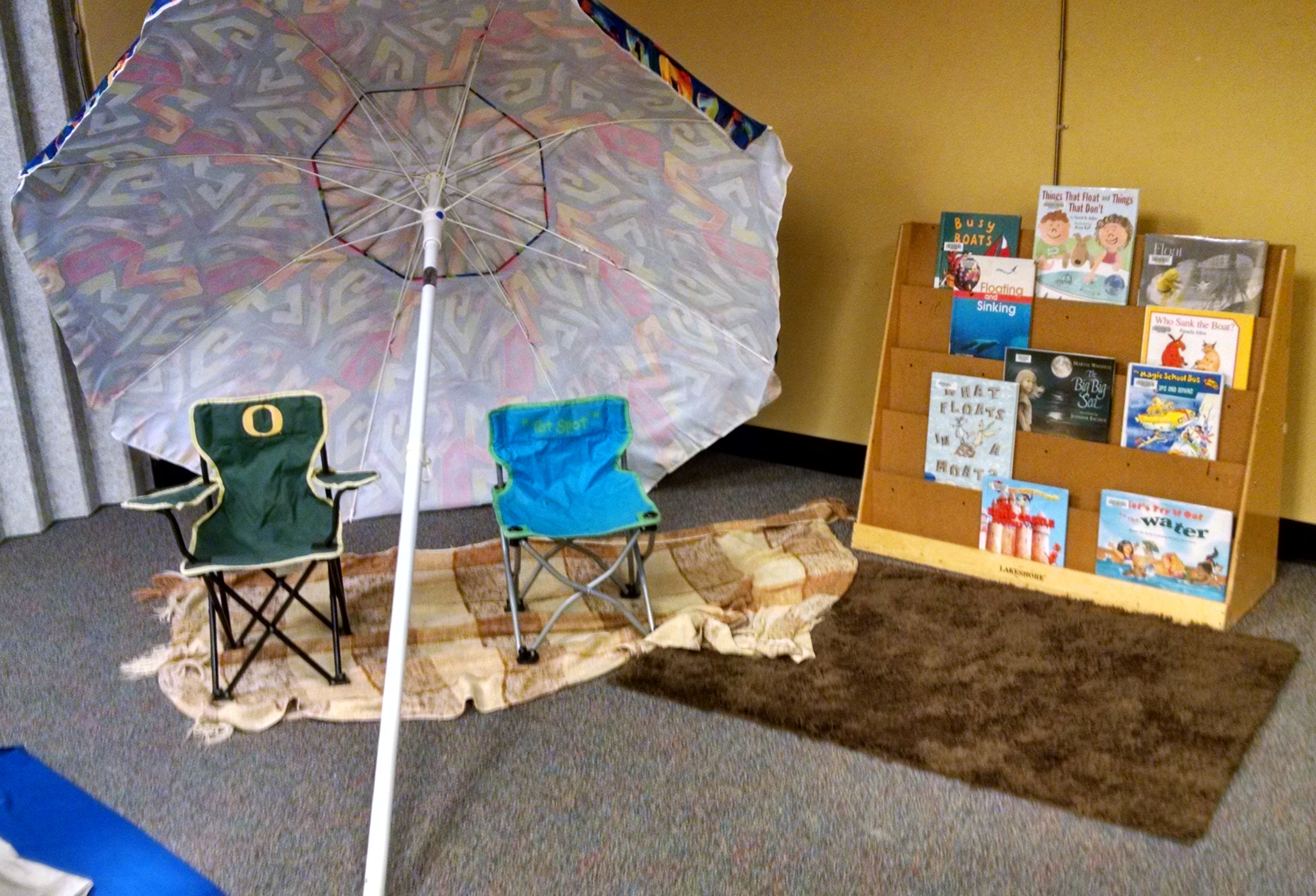
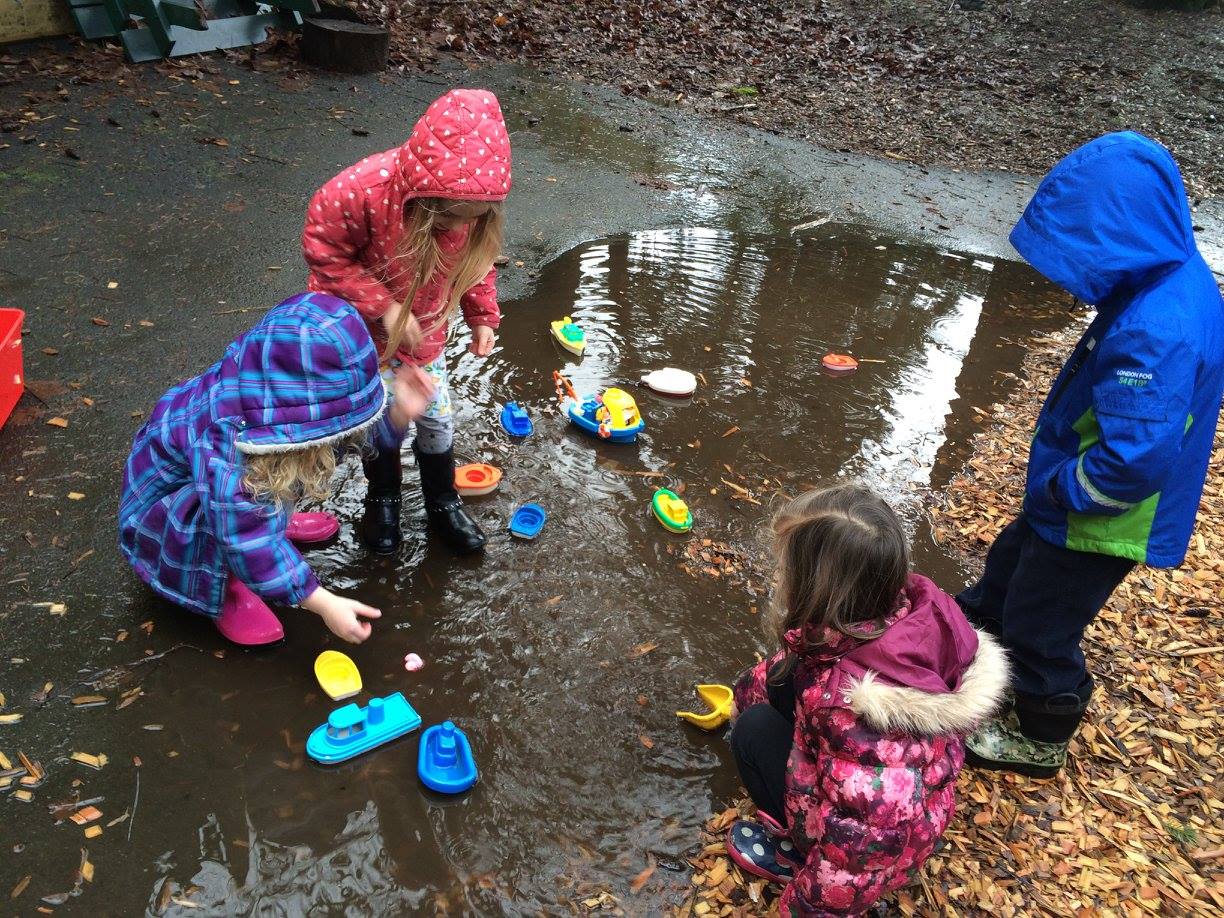
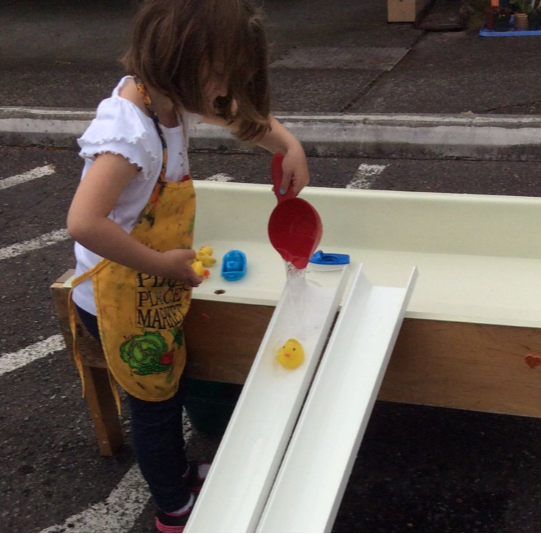
But when children play in a sandbox, or in a sensory bin full of rice or pompoms, or a water table, or on a light table, this multi-sensory experience can teach so many things. They build eye-hand coordination as they pour and scoop; learn concepts of empty and full, volume and weight – relevant to math; properties of solids and liquid in motion, that the amount of a substance remains the same even when the shape changes, and that some things sink and some things float (science!) They get comfortable with their hands being messy. (This is an important life skill – sometimes we all have to do messy things!)
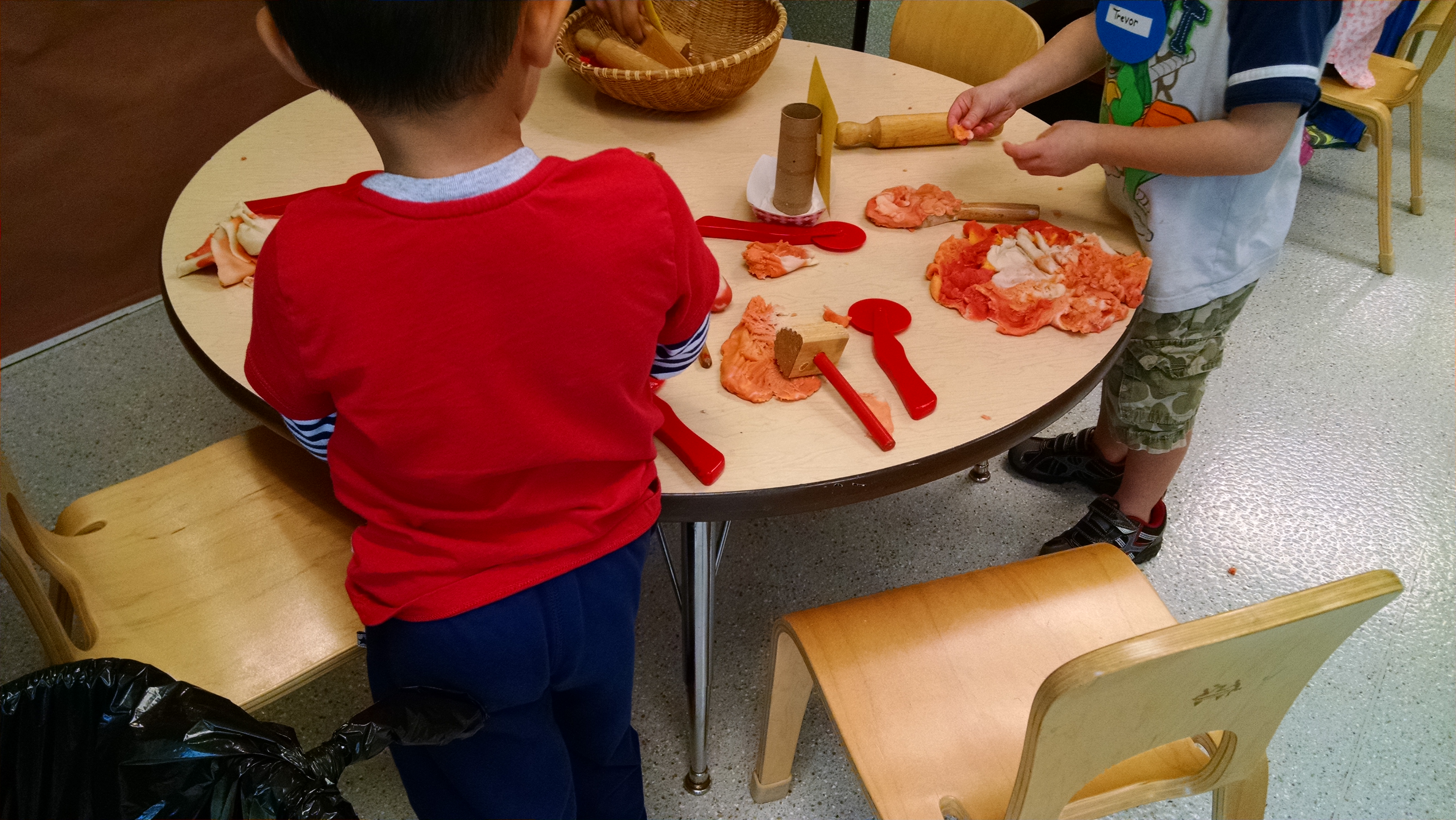
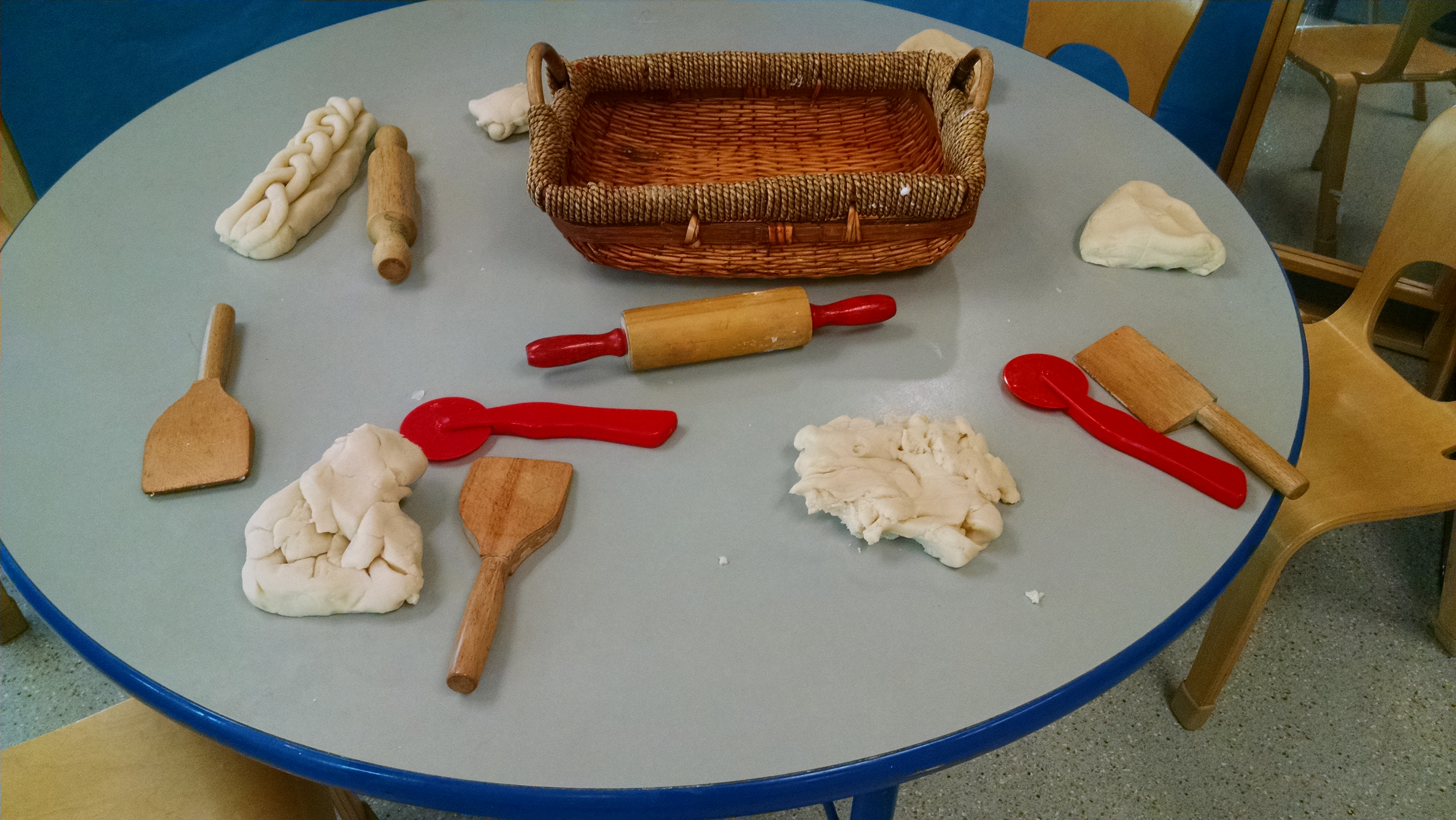
In the sensory tables, and with play-dough, they can explore how to use so many tools: tweezers, tongs, spoons, scoops, shovels, funnels, rolling pins, cookie cutters, egg beaters and whisks, pipettes and eye droppers, scales, measuring cups and spoons, potato mashers, pizza cutters…
Playdough also gives children the opportunity to
express feelings, squeezing and pounding
learn about negative and positive space when they cut out shapes with a cookie cutter (this helps with reading)
build finger muscles
Art Process / Writing Practice
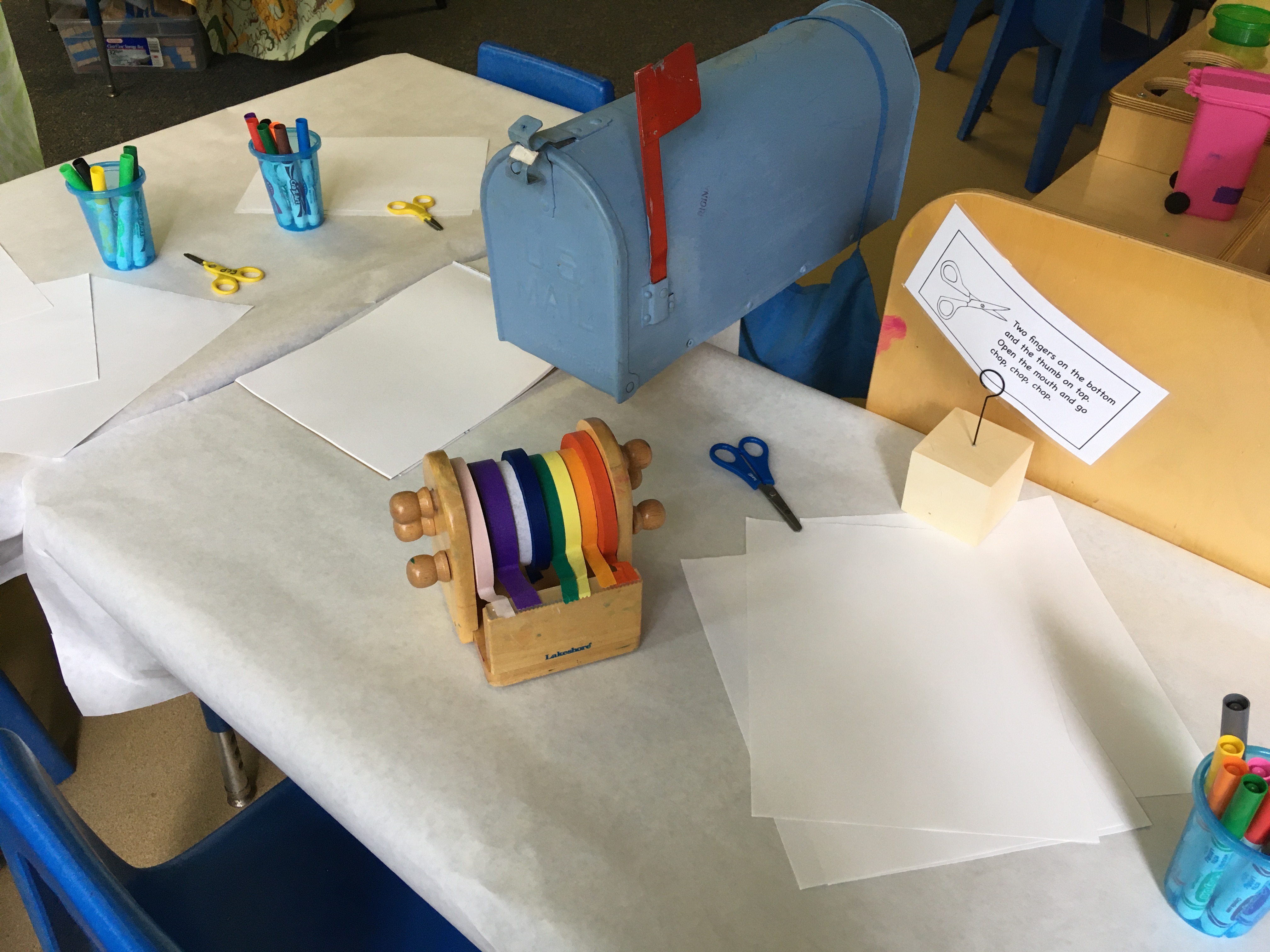
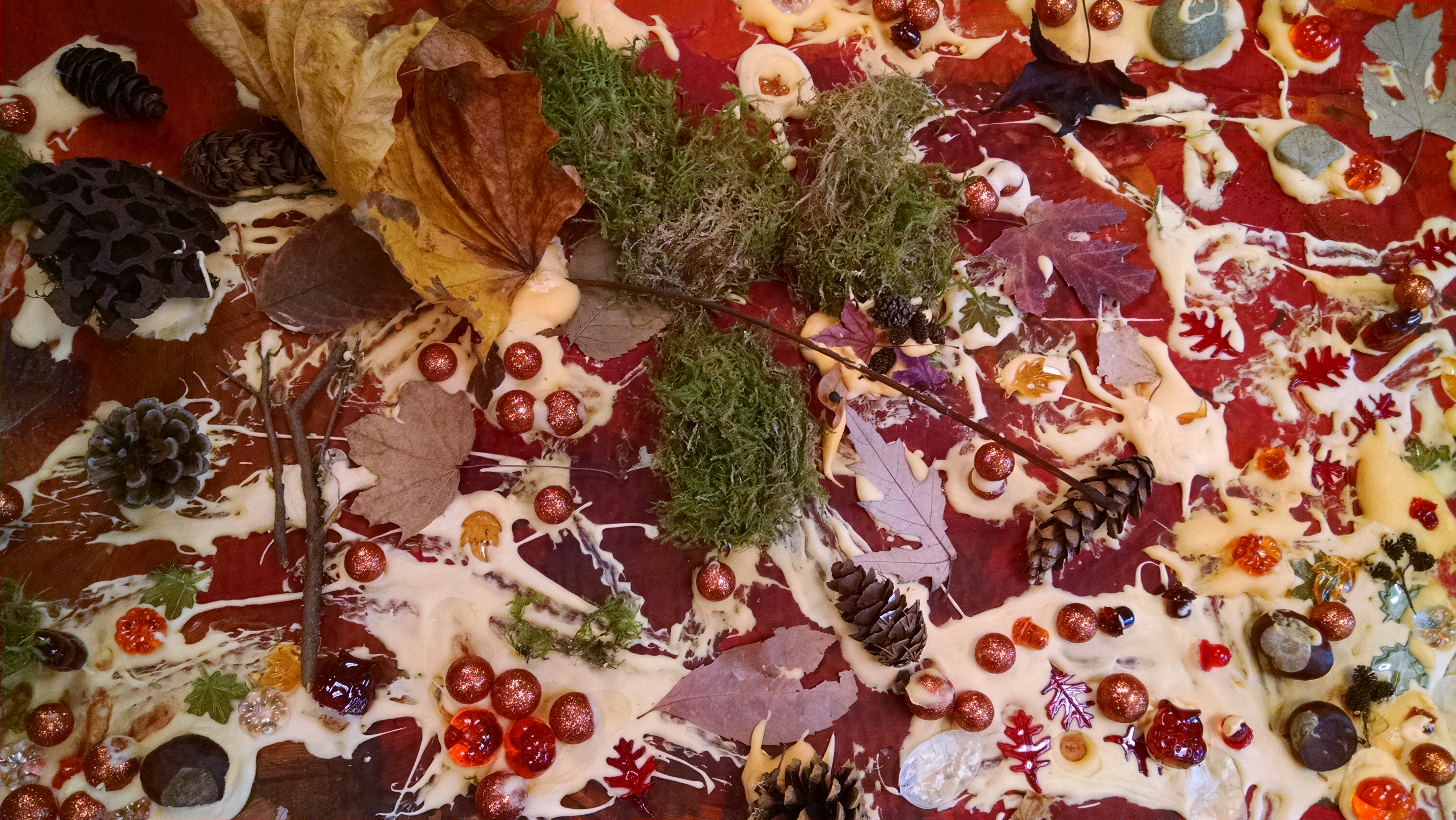
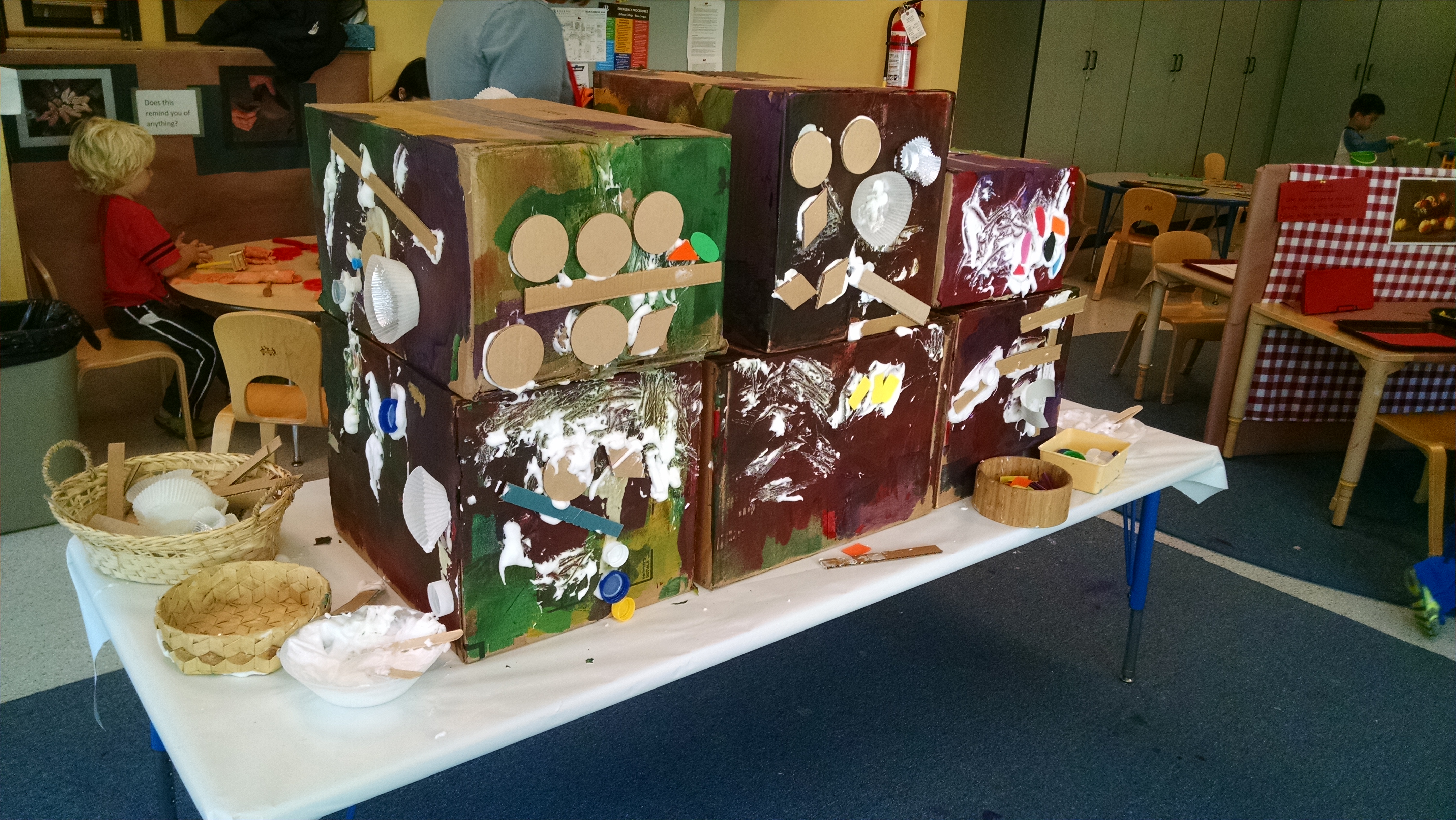
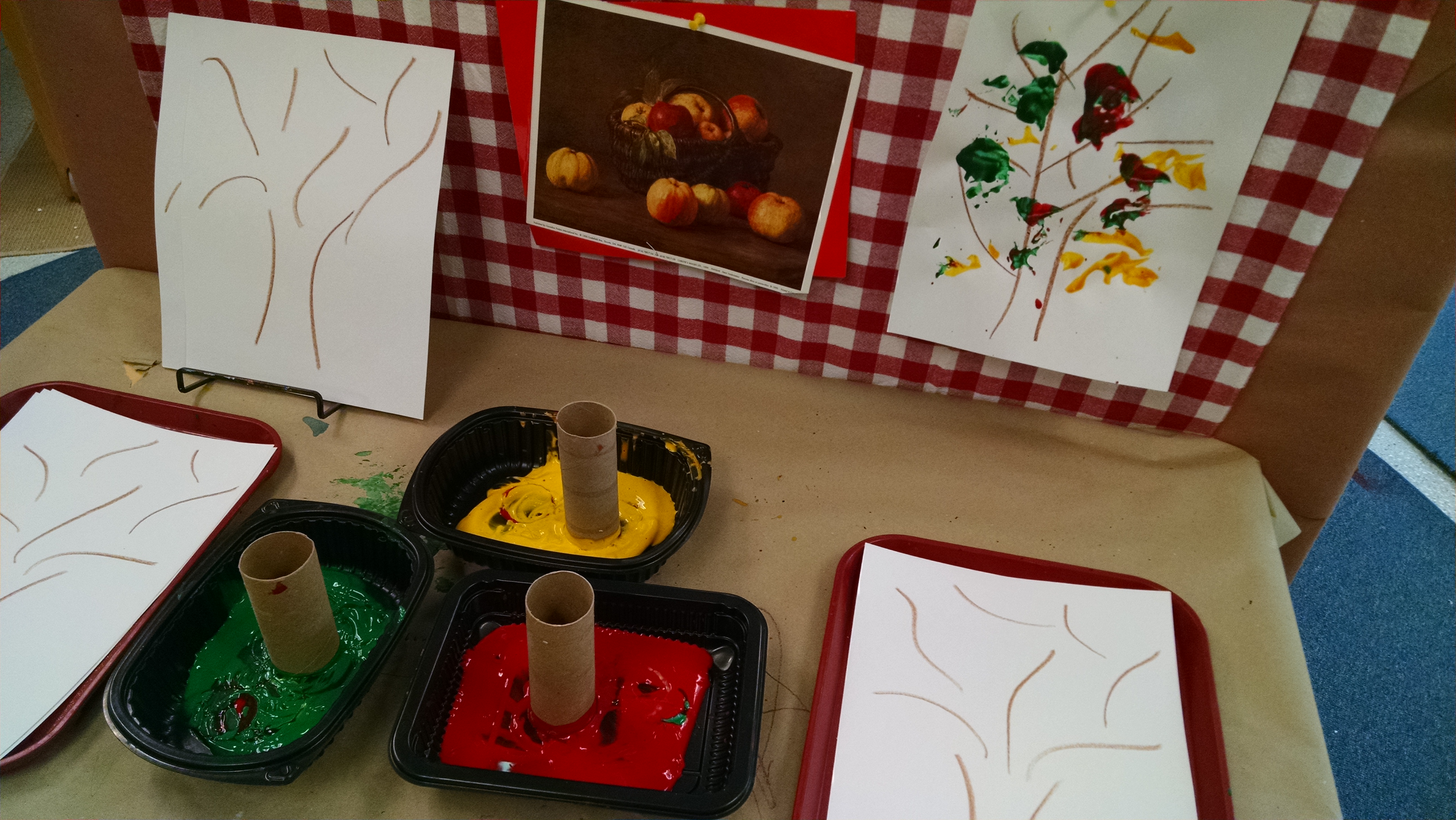
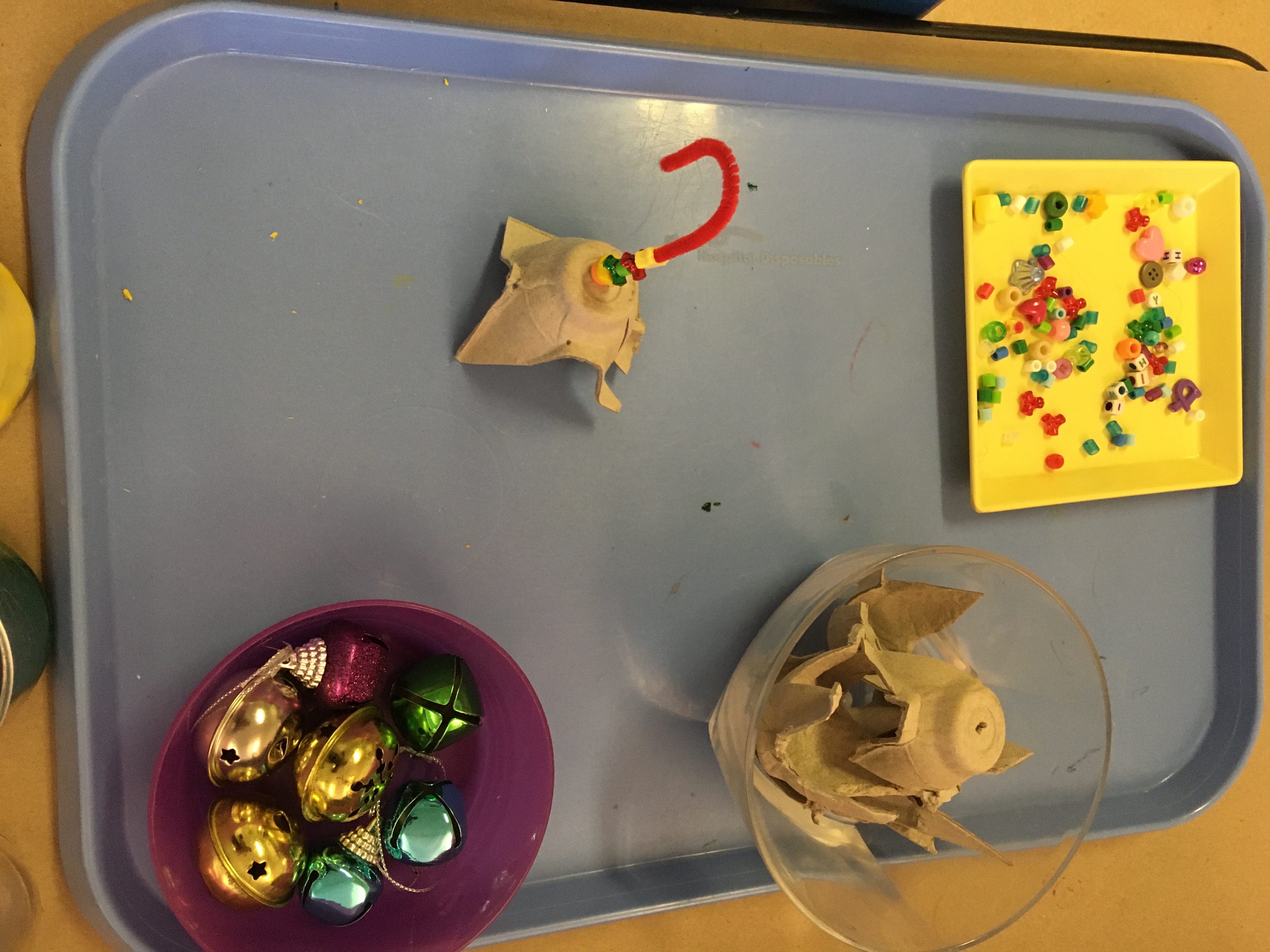
Preschools often have an easel set up every day, with various kinds of paints and various kinds of painting tools – brushes, rollers, sprayers, or sponges. Children are free to paint anything that they choose to. Many preschools have a “creation station” for collage, offering cardboard and paper for bases, glue and tape, and miscellaneous things to glue on: pompoms, googly eyes, plastic lids, tissue paper scraps, styrofoam popcorn, pretend jewels… almost anything! Many preschools have a writing station with office supplies – paper, markers, pencils, pencil sharpeners, staplers, hole punches, scissors, stickers, rubber stamps, envelopes and so on. Children can make cards for their parents, signs to support their pretend play, booklets, anything they choose. We also do wacky things like salad spinner painting or painting with cars or putting a paper plate on a record player and drawing as it goes round and round.
These are all process-based art activities. No one is dictating what they must create there or what the final product needs to be. It’s completely up to the child to envision something and to make it real.
The children learn how to use all the tools and all the media, they build their finger muscles and their pencil holds, they learn names of colors and how to mix new colors, they learn to recognize shapes and to create shapes, they learn about symmetry, balance, and design. The art is a creative outlet for expressing their feelings and learning that their ideas have value.
Art Projects and Crafts
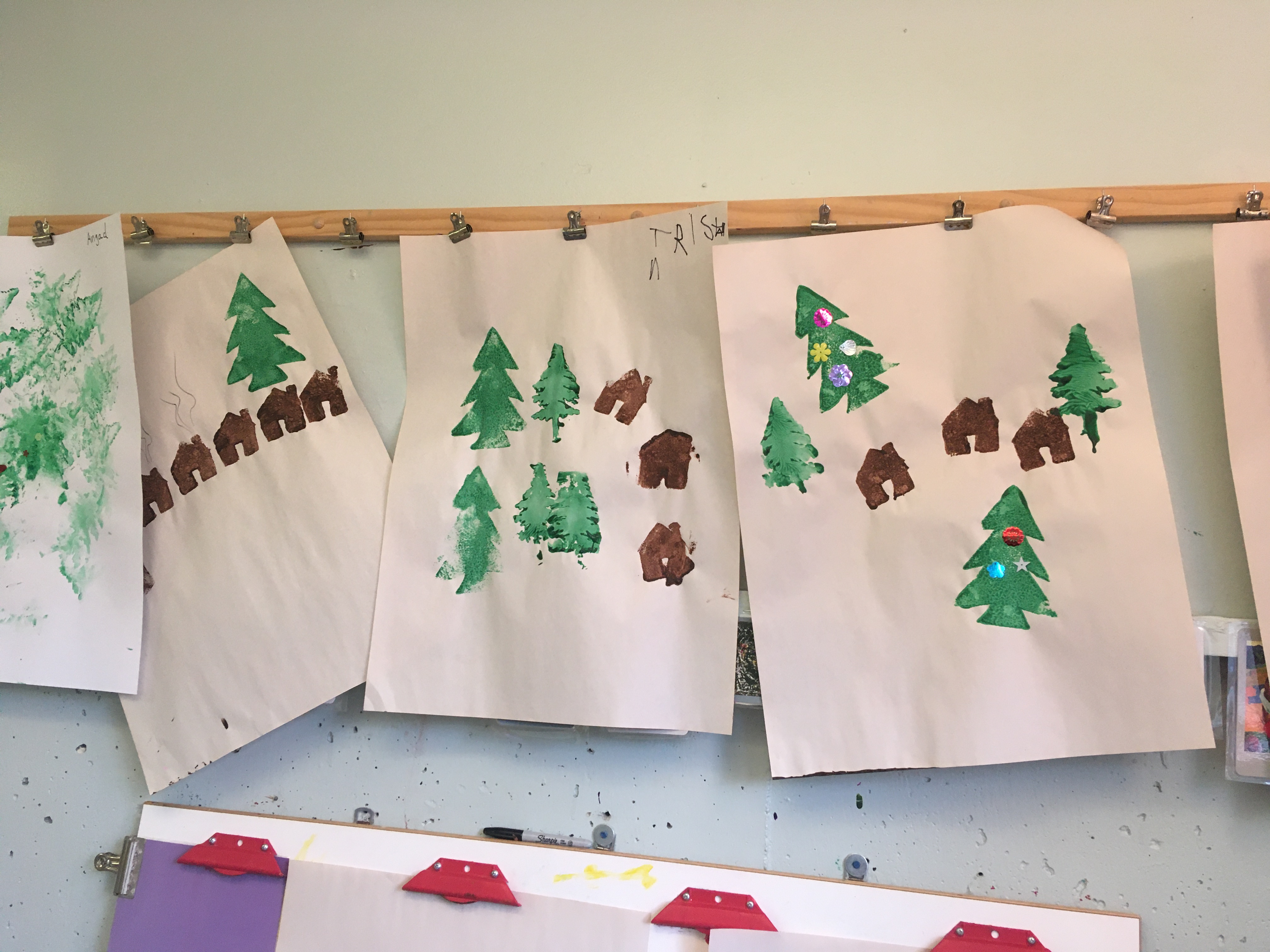
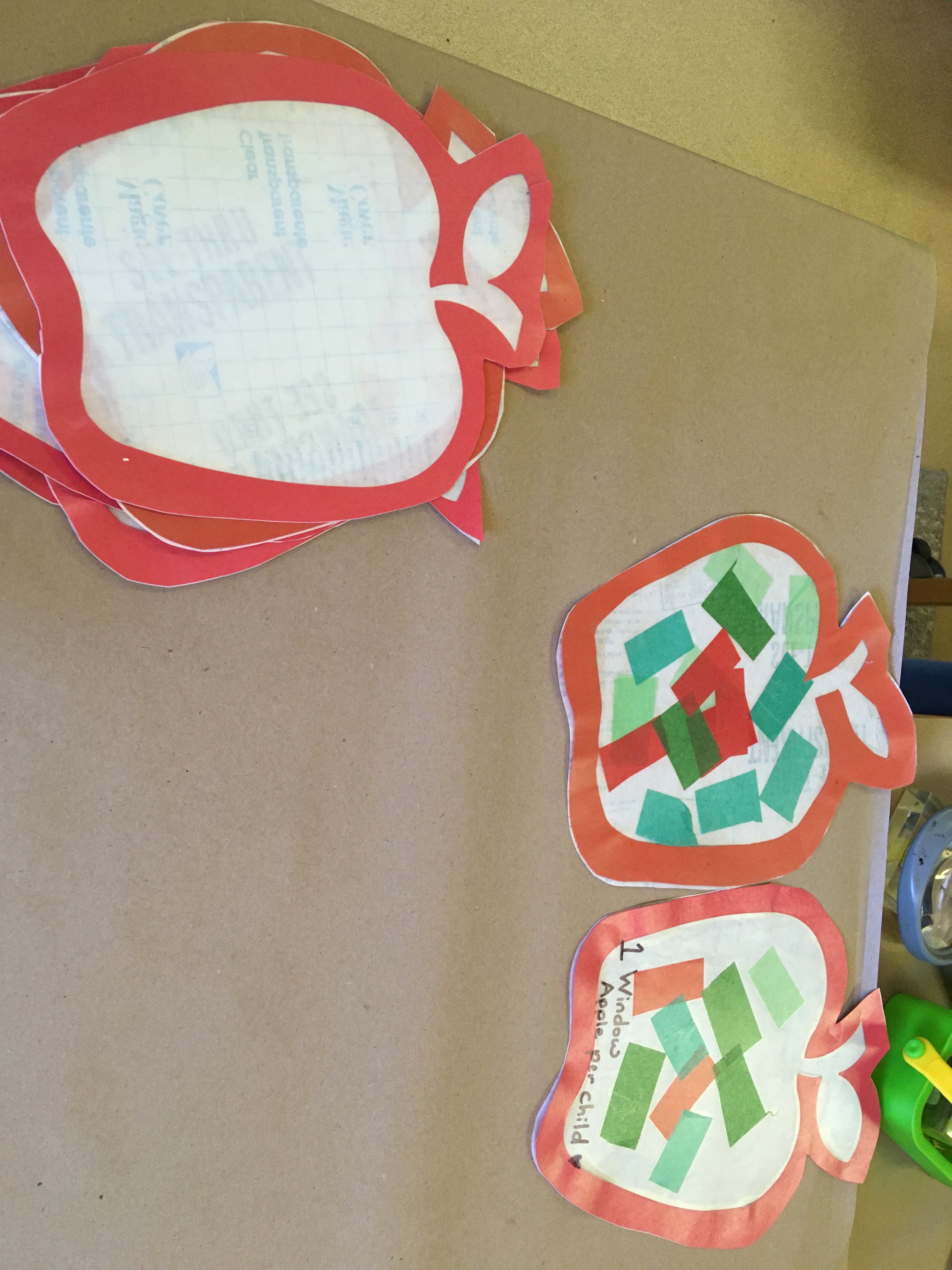
In addition to art process, we also have projects. These are activities where the teacher creates a sample and puts out all the materials for kids to make a project similar to the sample. It’s up to the child whether they want to use the materials in that way or do something else with them. But we do encourage them to try re-creating some projects, because it gives them practice with following multi-step directions. It lets them practice close observation skills and learn how to imitate or re-create what they see. We can build new skills into these projects they can then apply elsewhere, such as a project where they practice cutting curvy or zigzag lines.
Cars and Trains / Doll Houses / Play Farms
We have toy trains, toy cars, bulldozers and more. Children learn how wheeled vehicles move through the world and what happens when they crash. They learn how things need to be pushed up hills, but going downhill, they go fast on their own (physics!). And, because these toys tend to be very popular with our active, high energy kids, they also often provide opportunities to practice sharing and conflict resolution!
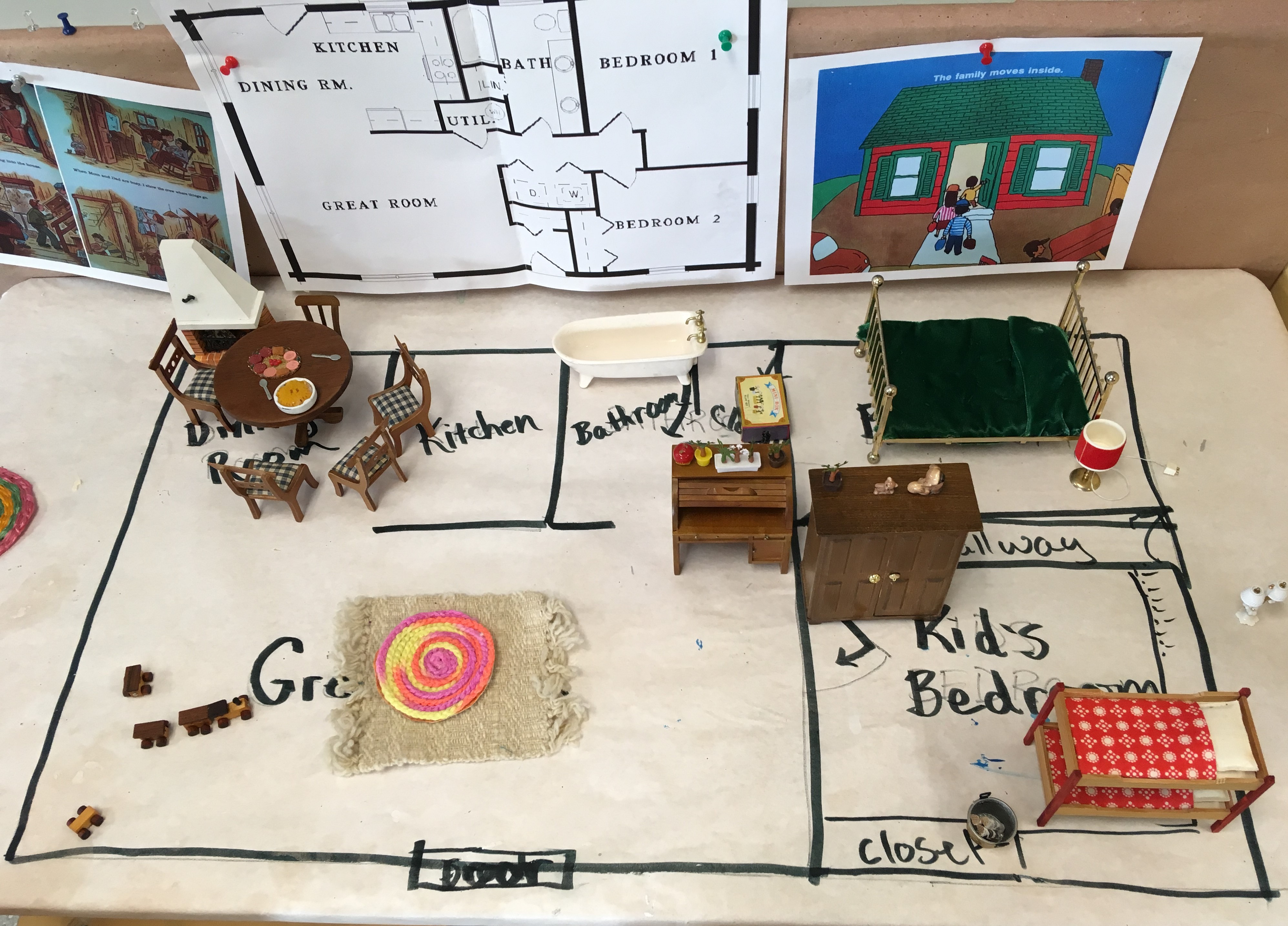
We have small dolls and doll house furniture. We have small plastic farm animals and farm equipment, woodland animals, and zoo animals. Kids may play with these and the cars on their own or they may be combined with the blocks, sensory bins, art supplies, pretend houses we made, and more. When children play with these small worlds, they do a lot of sorting (“I’ll put all the cows in this stall and all the horses in this stall”), counting (“I have 7 racecars that are ready for the race to begin”), and story-telling (“the lions were all roaring at the elephants”). They also co-create with other children – playing side by side sometimes, but then having their horse talk to the other horse, or their doll call the other’s doll to the table for food.
Dramatic Play
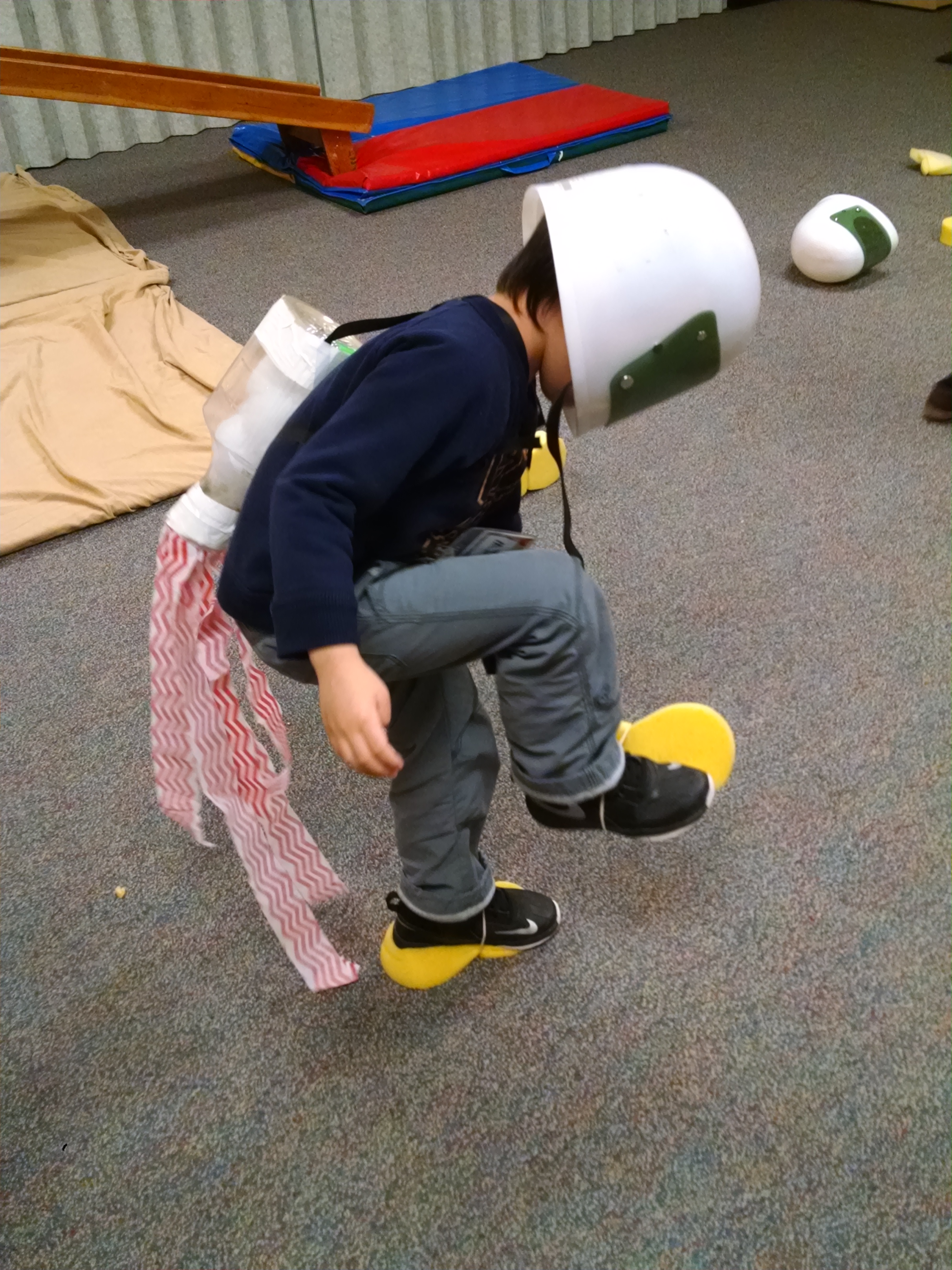
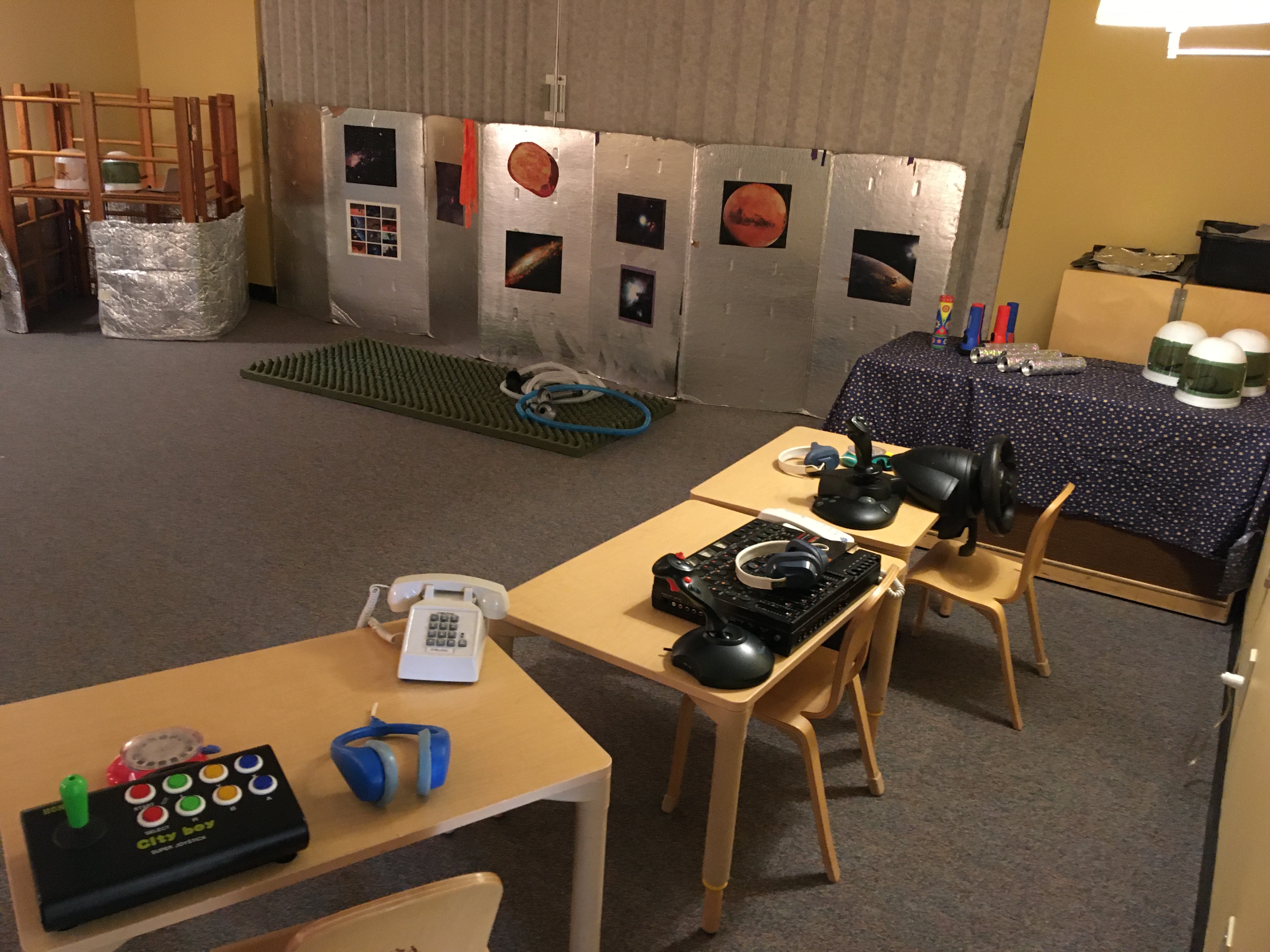
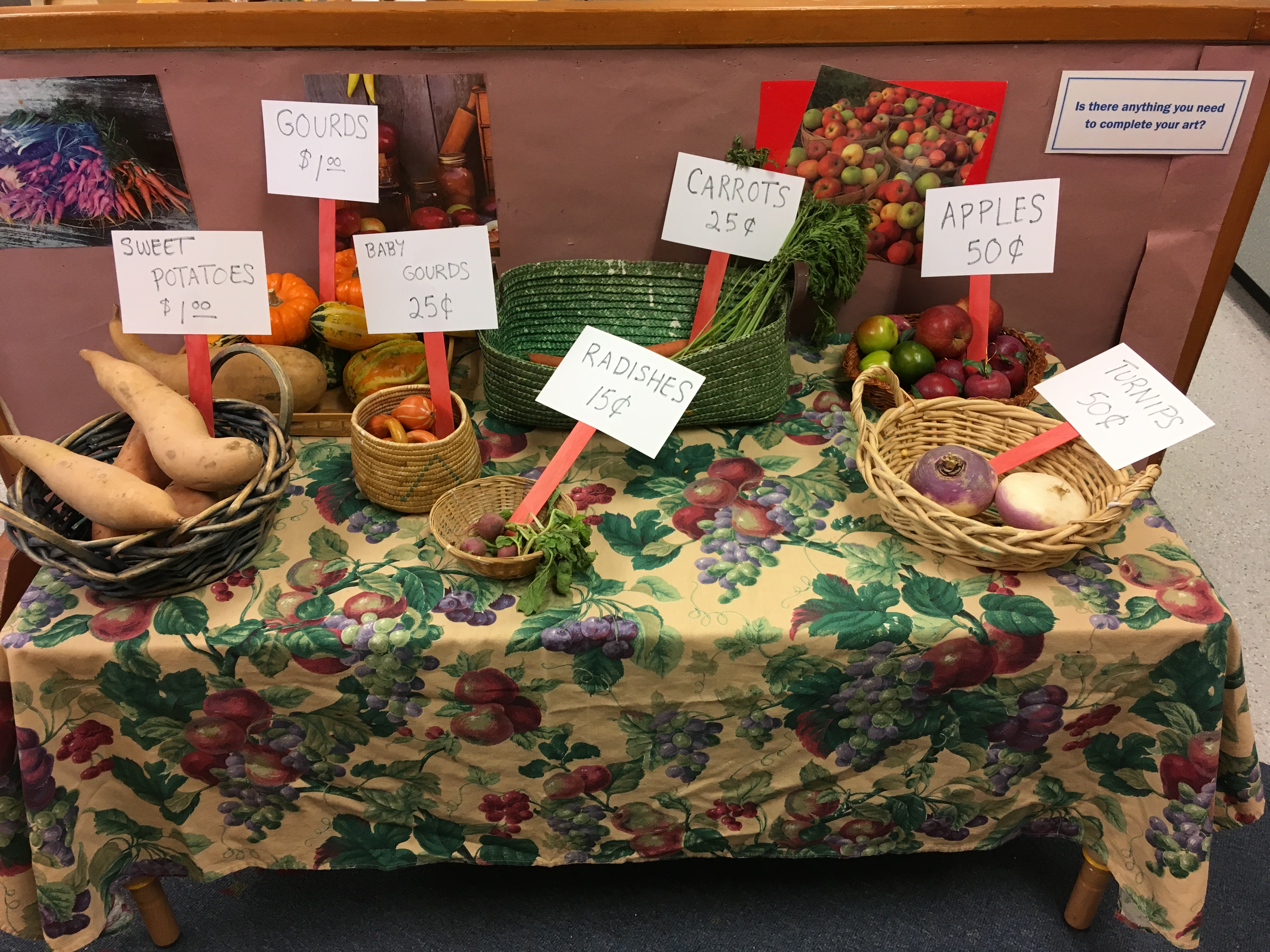
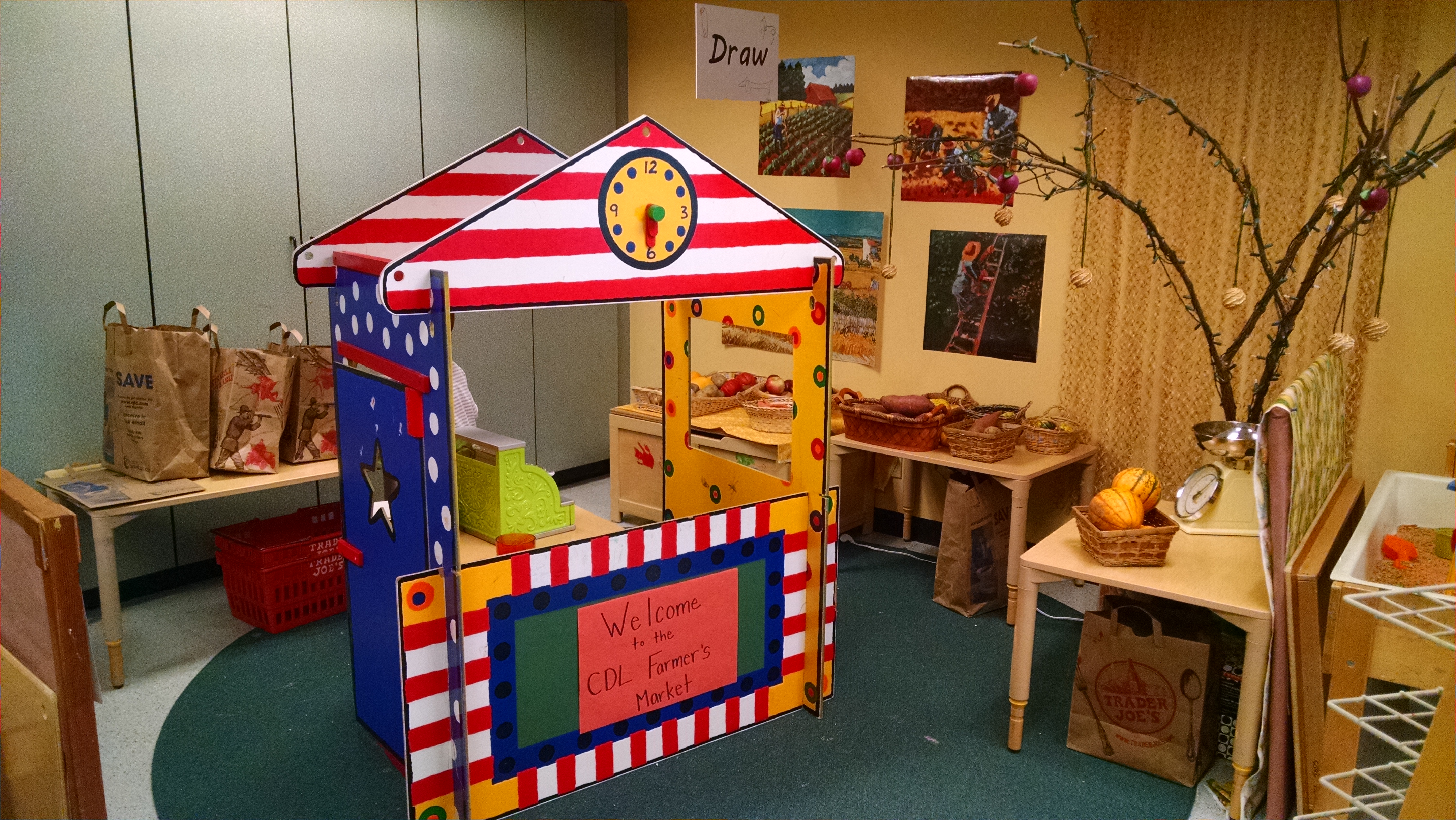
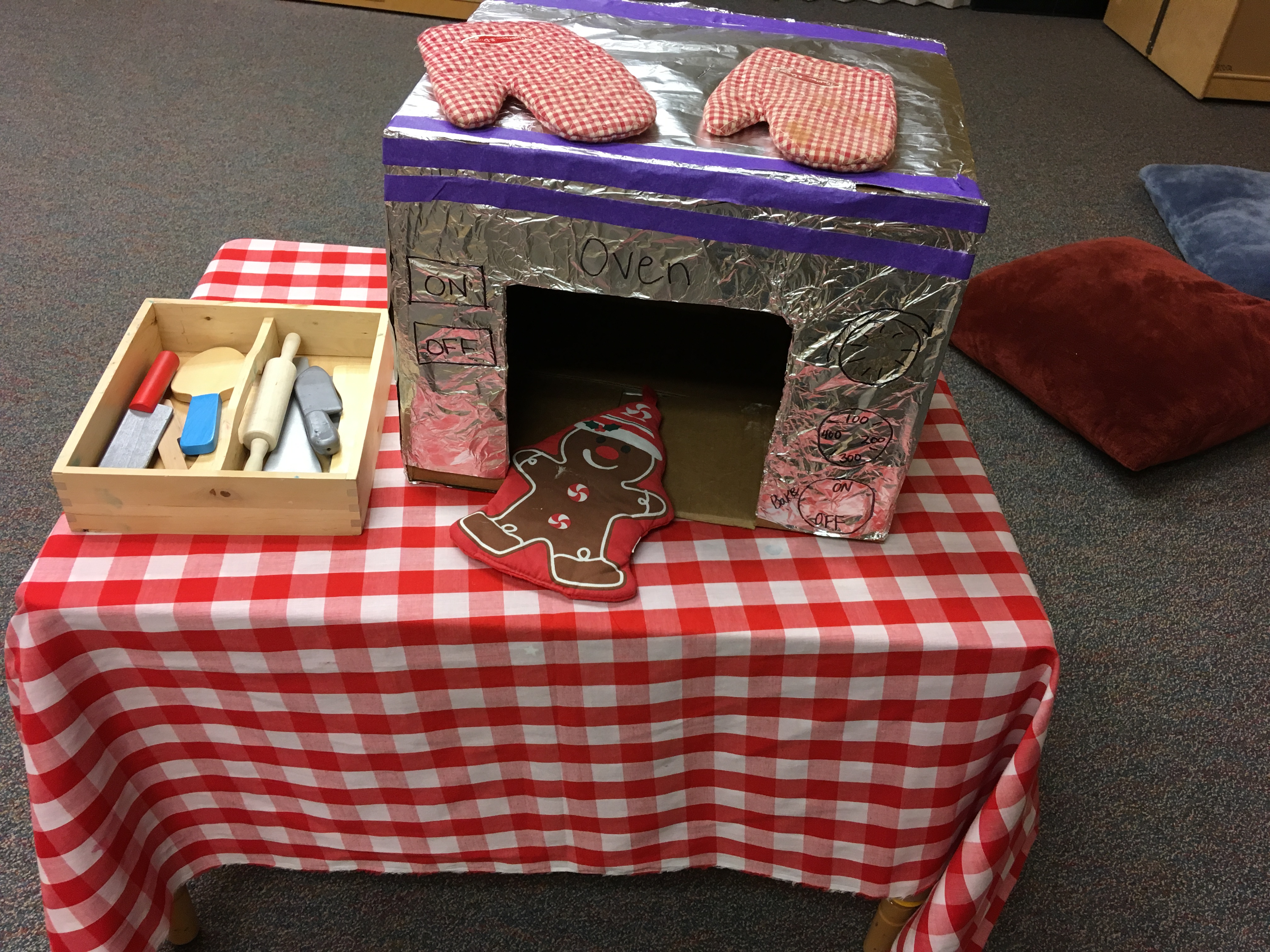
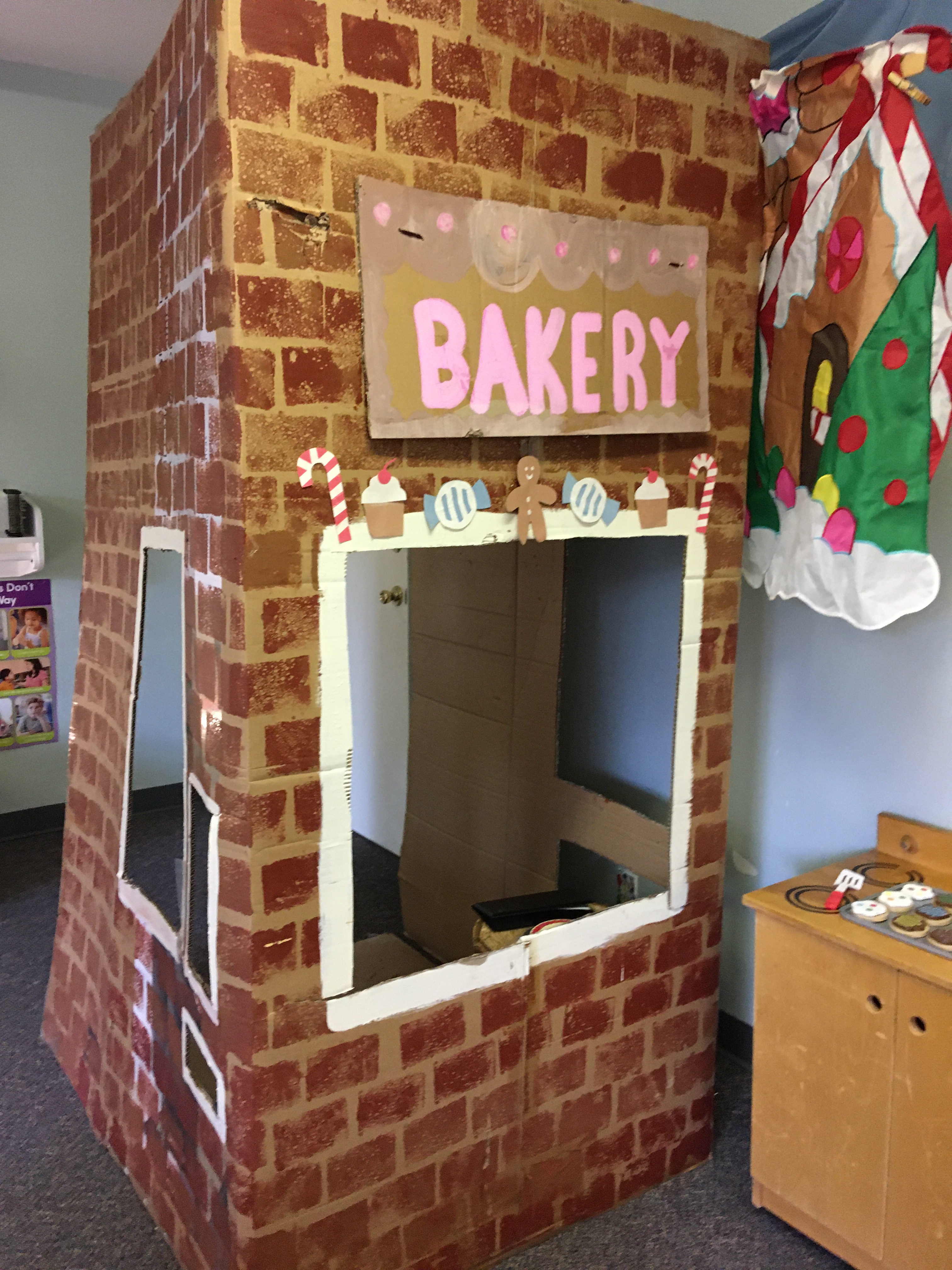
Most preschools have a play kitchen full of pretend food, dress-up clothes that allow children to play out many roles, plus baby dolls and stuffed animals to practice nurturing skills with. Many of those materials may be available every class during the year so children have lots of chances to explore them and use them in many ways. Teachers may also have special themes for dramatic play: maybe a farmer’s market in the fall, a gingerbread bakery in December, a valentine post office in February, or a spaceship and mission control.
With dramatic play, children learn to use their imagination, try on different roles, explore other cultures, imitate parenting behaviors they see in their lives, role play a variety of careers, and explore gender roles. Lots of complex language practice happens during pretend play. This area also builds social skills as they have to negotiate about which roles each child will play and what the story line will be.
Board Games and Active Games
Whether it’s Candyland, Bingo, Hide and Seek or Tag, all games offer practice at understanding and following rules, learning how we all get along better when we can agree to and follow the same rules, and learn how to be a good sport – winning with grace, and recovering from the disappointment of losing.
Books and Literacy
Stories are always available in a preschool classroom. Some schools (like Waldorf) use only oral storytelling, but in most, there are books available. They may be used during group time, but also available for independent exploration. Literacy practice may also be incorporated elsewhere: signs or menus in the pretend play area, books on CD to listen to, board games, and in art projects.
Children learn that letters on a page represent words – language written down, then learn to interpret pictures and to follow the development of ideas in the plot of a story. Most important, they see that learning to read is important and enjoyable.
Large Motor Activities / Outdoor Play
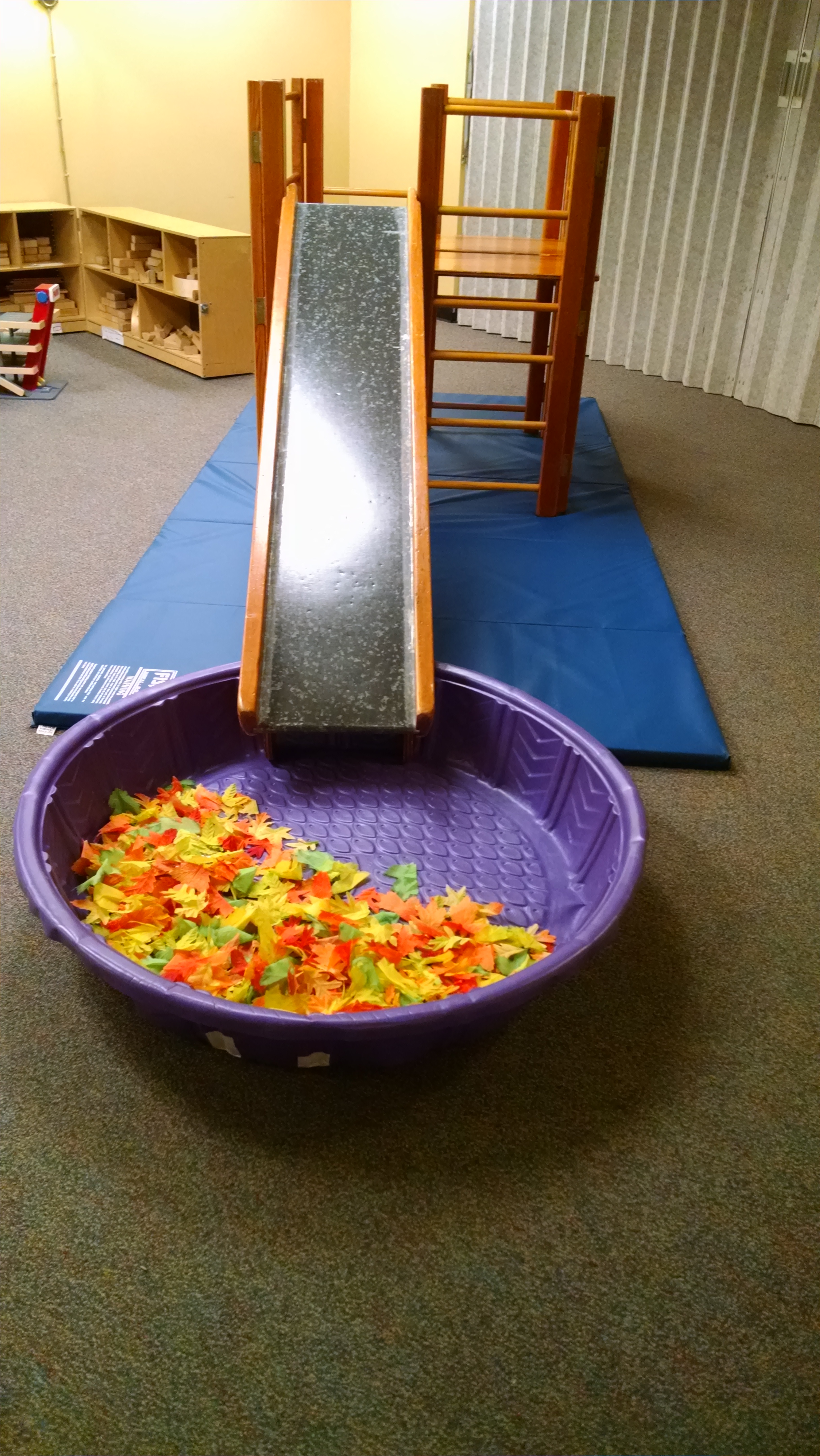
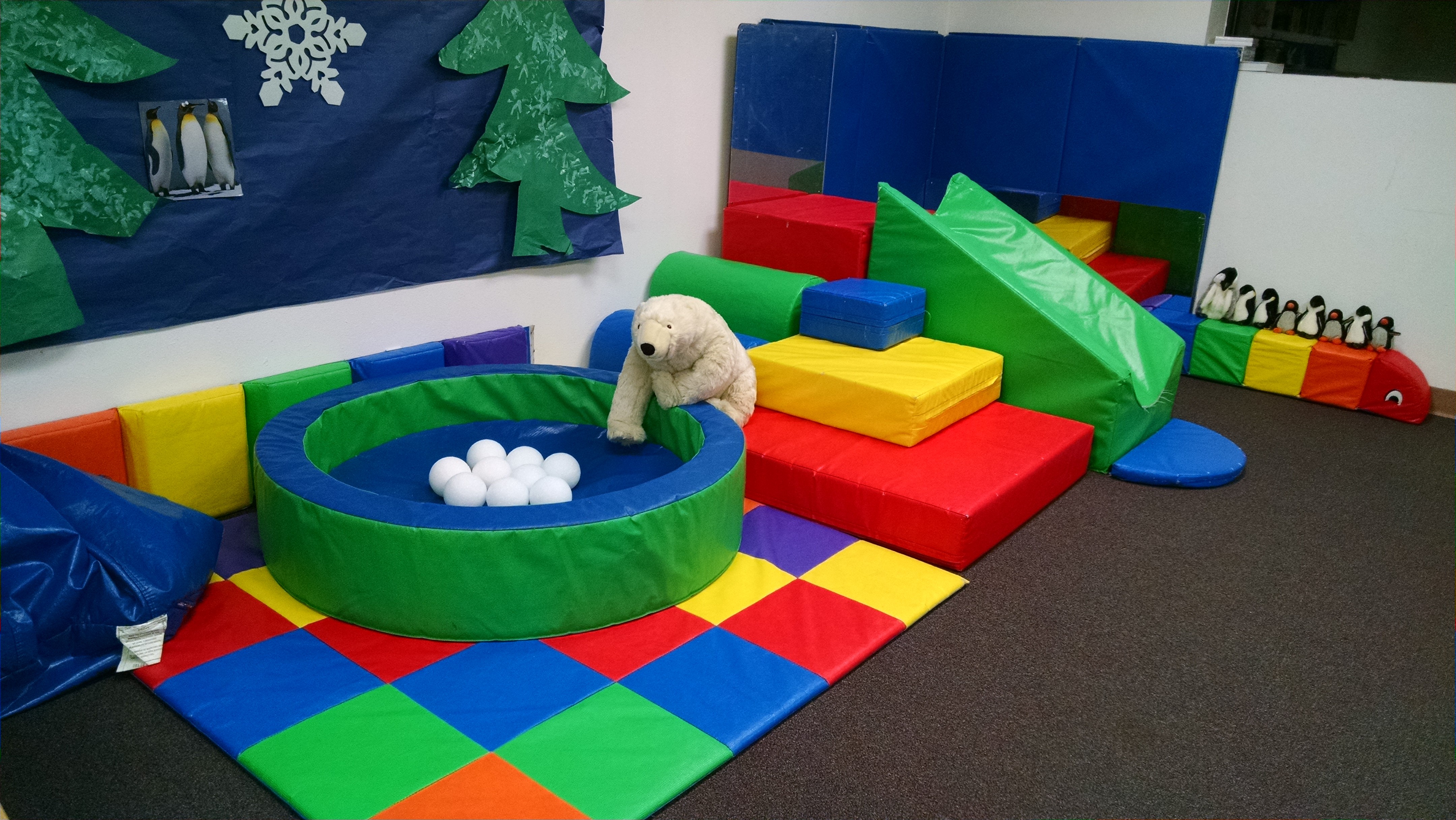
So much brain development happens in these early years, and children form the foundation of all the skills they need for a lifetime. This is especially true of motor skills. In addition to all the fine motor practice of puzzles, writing and playdough, preschools also offer lots of opportunity for large motor practice indoors and outdoors. Playing in the playground or on tumbling equipment indoors, throwing balls or throwing paper “snowballs”, digging in the sandbox or running on an ever-evolving obstacle course.
They are building physical strength, coordination and balance as they build all the key physical skills of running, jumping, climbing, and rolling. They learn to take some risks and be bold, while also learning when they need to be cautious, and learning to emotionally regulate through it all. There’s also important skills in taking turns on the slide, watching out for other people before moving, and moving around others carefully. As our kids ride trikes madly around the playground they’re learning skills they’ll need in driver’s ed someday!
Snack and Clean-Up Time
Snack time can always include practice at choosing and trying new foods, practice using silverware and table manners, learning to sit with others while eating, and practicing social conversation. Many preschools also involve the children in making their own simple snacks, which can include practice with cutting with a knife, stirring, spreading, sprinkling, measuring, and so on. Learning these life skills at an early age builds confidence and competence.
Children also learn confidence and competence as they help out with clean-up time. They may help put all the toys away, wipe tables, sweep the floor, put lids back on markers, and fold up the tumbling mats. This teaches life skills, teaches them that they can make meaningful contributions to a community, and motivates them not to make too much of a mess in the first place! But also, putting away toys is a great exercise in sorting things into categories (a key science skill) which requires noticing details, observing similarities and differences in object, concepts of color, size, and shape.















 More Good Days with Kids