Toddlers and preschoolers love to put things into containers and take things out of containers. (Demonstrating these schemas of play: transportation, enclosure and enveloping.)
An easy activity is to put any small toys or manipulables you have into a fun container. You can use this to enhance sensory play, literacy activities, sorting activities and more.
Containers
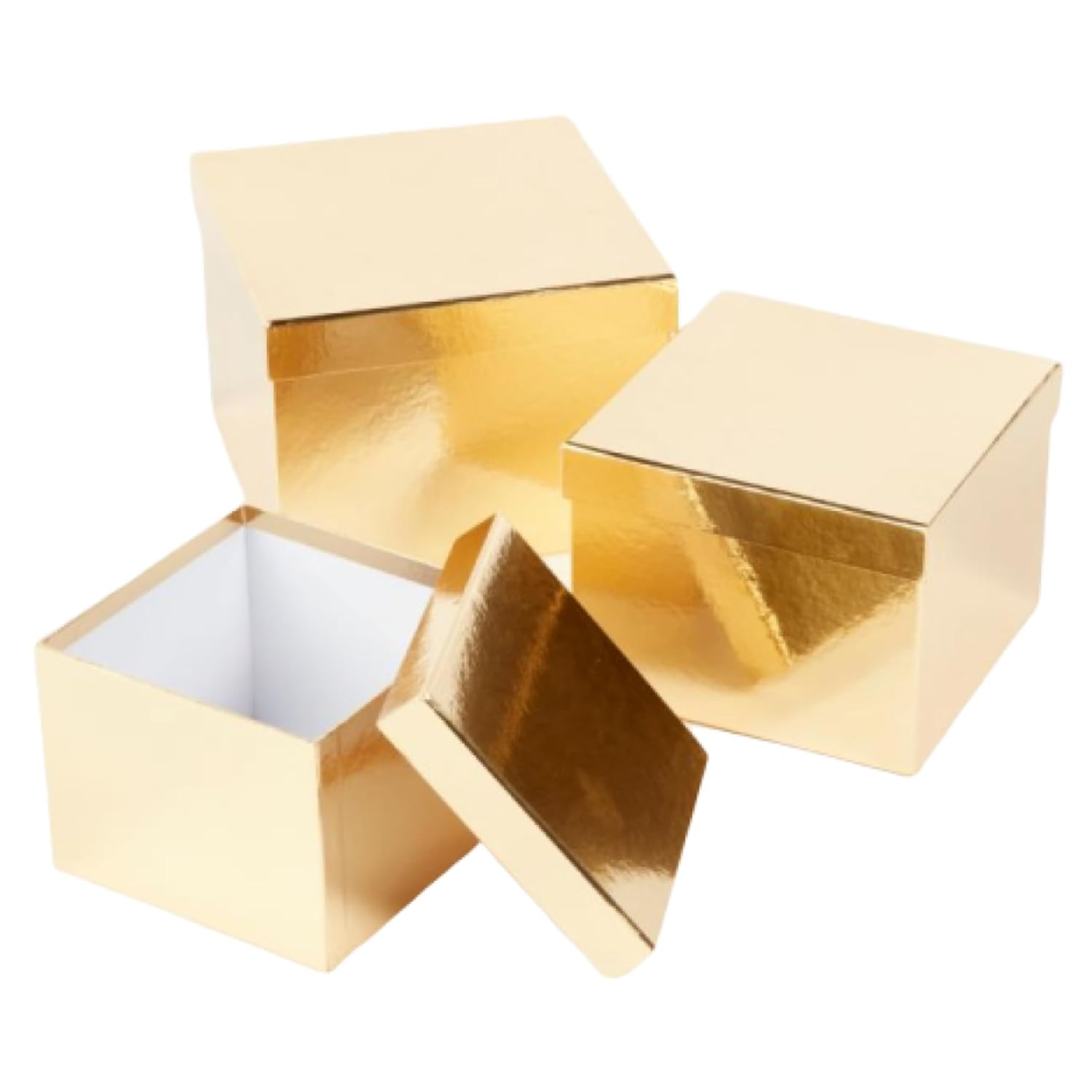
I’ve got a whole collection of cool containers that I use in my class. Some I have found (like pretty gift boxes I’ve received), others I’ve made (like coffee cans covered in wrapping paper with a slit cut in their plastic lid, tea tins covered in shiny paper, cardboad with doors cut), and shape sorters and busy box toys I’ve purchased (lots of Lovevery items found at consignment shops.) Really anything that you can hide an item in and a child can retrieve it.


What to Hide / Activities
You can hide almost anything in there and let them just enjoy pulling it out and putting it back in – like scarves in an empty tissue box.
Hide the pieces of a puzzle and put the board next to the container – they pull out pieces and assemble the puzzle.
Hide letters from a literacy activity for them to pull out and find a matching card for.
Pieces from any memory game work – we made our own with metal juice can lids and stickers. They keep pulling items out till they find a match.
We have random theme items, like these foam flowers, that I’m not sure quite what to do with – I throw them in a hidey hole and it’s a sorting activity.
You can also use counting items (like these bugs or transport counters) – they sort them by color onto a plate, or by type onto a worksheet you make.


The possibilities are endless.
For almost any small toy you’re putting out, adding a hidey hole component can make it even more engaging.
I also mix these into the sensory bin to enhance that play. (Check out my other post on sensory bins!)

Pingback: New vs. Familiar in Preschool Classroom - More Good Days with Kids
What a lovely reminder that play is where the learning hides, and we see the same at home when counting and sorting sneak into games without any fuss. A calm ten minutes of playful maths practice beats a worksheet battle every time.