Author Archives: Janelle Durham

Unknown's avatar

About Janelle Durham

I am a parent educator and social worker, and teach music and science to children age 1 - 8.

A Case of the I-don’t-wanna’s

Yesterday, my whole day, I was in a mood. The “I don’t want to do that” mood. And in response to everything! Not just work and housework, but for everything I thought of doing, my response was the same. Play ukulele, which I always enjoy? I don’t wanna. Have dinner in the park with friends on a lovely day? I don’t wanna. Go to the family camp that I LOVE next week? I don’t wanna.

This is SO not my usual approach to life.

So, where was it coming from? I think it’s worth exploring, because it gives me insight into my own self care (and perhaps may contain ideas for other busy working parents) but also, because sometimes our kids have a case of the “I don’t wanna’s”, and it’s exhausting – not just trying to force them to get their chores done, but also trying to talk them into doing things we know that they enjoy and having them refuse.

So, what sank me into a “winter of discontent” on a beautiful sunny day?

  • Not enough sleep. Two nights before I’d had to stay up late to complete some work and get up early. That morning I’d awoken at 5:45 on a day I didn’t need to get up till 7, and no matter what I tried, I couldn’t get back to sleep. So I think part of it was just being tired.
  • Too many demands. I just have a lot going on this summer, and every time I finish one project instead of getting a break, I have to jump straight into the next one, and I know yet another project is waiting in the wings needing my urgent attention. I want to be clear that I like doing all these things… they’re all projects I would enjoy… it’s just the non-stop nature of them at the moment that is dragging me down.
  • Not enough down time. Our brains, our bodies, and our souls need a break from time to time. A time to putter around the house, or lay in the hammock, or walk to the park, and rest our thoughts. I think especially in the summer, as it feels like everyone else is taking time off, it’s even more of a drag to feel like you don’t get any breaks.

So, I need to: prioritize sleep till my body catches back up, take on fewer commitments or maybe find ways to “lower my standards” on the projects to get them to the “good enough” point instead of the perfect point, and give myself permission to take some down time when I can.

What does this tell us about when our child is having a case of the “I don’t wanna’s”? It’s likely a good time to reflect on:

  • Are they getting enough rest? (Learn more about the sleep needs of young children and bedtime routines)
  • Are there too many demands on them? When I say demands, you might just think of chores, or when you ask them to do things they don’t want to do. But honestly, even fun things can place demands on their energy… going to a movie or a restaurant they love requires them to be on their best behavior – controlling your impulses as a young child is hard work. (For kids who really struggle with impulse control, it’s especially challenging.) Playing with friends is fun, but it’s also demanding as you have to keep negotiating social rules, waiting for your turn, being patient and forgiving when other kids aren’t at their best. (For a more introverted child, the social time can especially take a lot of energy.)
  • Are they getting enough downtime when they’re just left to their own devices and allowed to just putter around and “waste time” doing whatever they want to do? Parents often feel pressured to enterain and educate their child at all times. That’s actually too much for your child’s brain to take! For brain development, we need three things: novelty (new ideas and experiences), repetition (the chance to do something again and again to deepen your understanding and mastery) and down time to process it all. So, when they’re “doing nothing”, what they’re really doing is growing their brain!

Learning Parenting Skills from Bluey

TL/DR: Season 3 of Bluey became available on Disney Plus on July 12. If you have young children, watch this show! Your kids will love it, and the characters are excellent role models of loving, positive parents.

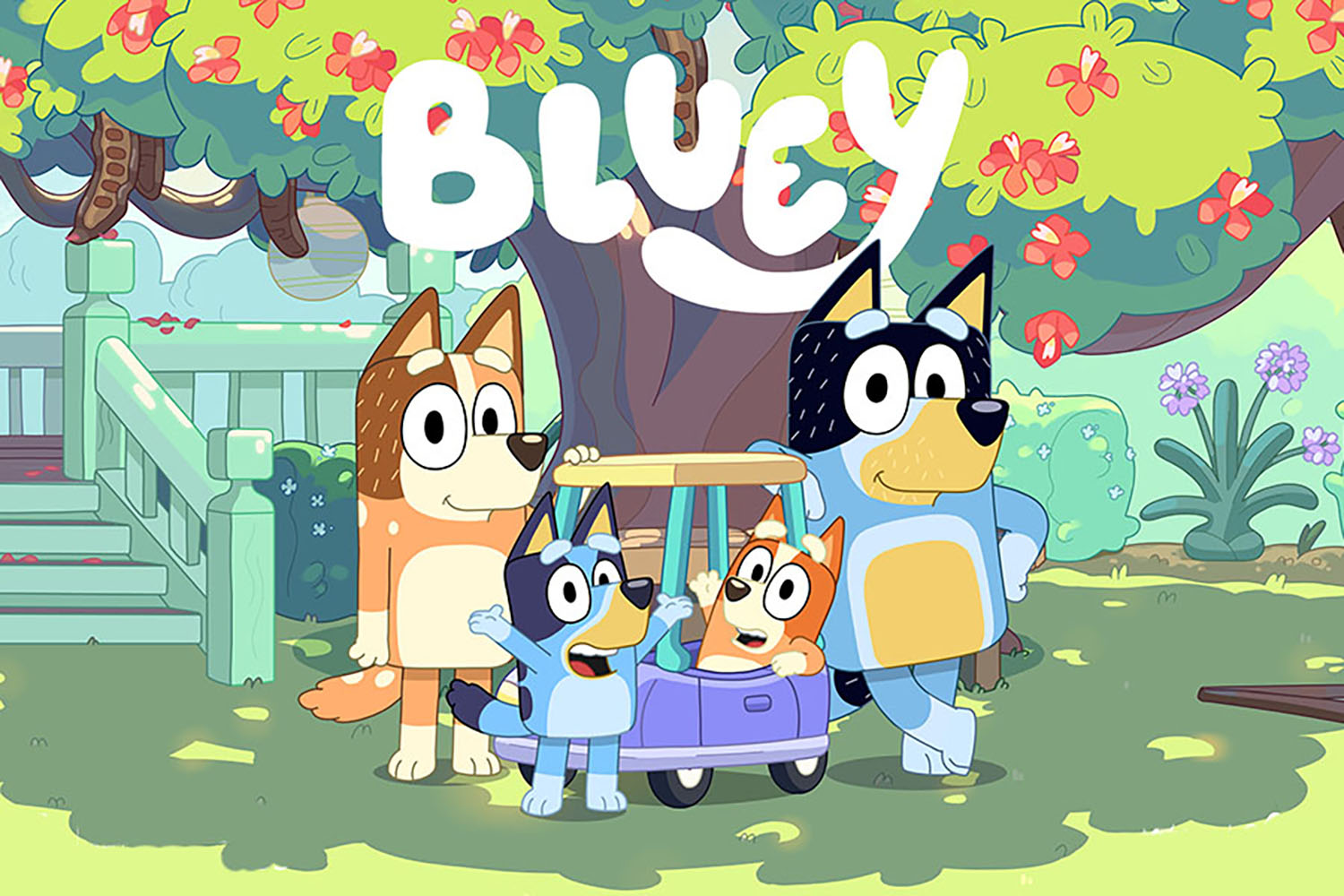
Bluey is an Australian children’s show that airs on Disney Plus. It features Bluey (a dog – Australian Blue Heeler), her little sister Bingo, Dad and Mum (Bandit and Chili). The show is simple – just reflecting the everyday life of this little family, and the ways that the parents and children interact. It is aimed at preschool age children, and they love it. Surprisingly, so do adults!

I listen to a podcast called the Filmcast. Hosts Jeff Cannata and Devindra Hardawar often rave about Bluey. Jeff has said “watching this show has made me a better parent.” (Brian Walsh agrees.) Even after hearing these recommendations, I didn’t watch it, because my youngest child is 12 – outside the Bluey target audience.

Then I read something about an episode (“The Show”) that indicates that Chili had experienced a miscarriage before Bluey was born. (There are also hints in an episode called the Bedroom, and infertility is reflected in the episode Onesies.) Bingo and Bluey are doing a silly show, acting out how their parents met and fell in love, and Bingo has a balloon under her shirt to act out Chill’s pregnancy. The balloon pops. The camera goes to Bandit and Chili who grab for each others’ hands with pained expressions. That’s all there is… a scene that may go over children’s heads, but has connected with and been meaningful for parents who have experienced a loss to see their story reflected. Michael Vaughn, a father of a Bluey Fan, said on TikTok: “One area where Bluey excels is making parents feel seen when they’re struggling.”

So, my family gave the show a try. My 12 year old likes it, but has other higher priorities for his screen time. On the other hand, my husband loves it. Bluey’s 8-minute episodes have become his go-to for “I’ve had a long day, and just need to do a little something relaxing before bed.” He’s not the only adult who feels this way, according to this WaPo article.

Why Many Adults Love Bluey

Bluey has a huge adult fan base, and these fans on Reddit explain why. Here I’ll just share a few that are about parenting and learning how to interact with children, but there are MANY reasons to love the show:

  • “I had no idea how to interact with kids prior to watching this show. But after watching Bluey, I could easily play games with my nephew…. We played keepy uppy but we also invented new games… And I had fun doing it.”
  • “I want to watch Bingo and Bluey have a beautiful childhood with great memories of their parents. It’s a way of healing my inner child. … AND if it helps us parent better, we are healing generational trauma, too.”
  • “Bandit is dad goals”
  • “Because you as a parent can relate 100% to every episode.”
  • “I’ve always been afraid of not being a good parent… The show has made me reevaluate being childfree. I just never thought about gentle parenting and seeing other people’s experience with it makes me think I could do it some day!”

This thread covers some of the moments that parents found most relatable:

  • “When Bandit buggers up the cake and just flops down onto the floor. He’s torn between bursting into tears and an almighty swearing fit, but at the same time … needing to continue being a positive role model.” “I feel so seen in that moment.
  • “Any time the kids go ‘Lets play______’ and Bandit says ‘oh no not ______'”
  • “when Bandit says he isn’t the best dad. I have those moments with my children … “
  • “Mum School! The end, when Bluey asks, ‘did I fail mum school?’ And Chili replies, ‘yeah. Ya did. That’s ok. We all fail mum school sometimes. We’ll just try again tomorrow.’ Never have I felt more validated as a mum. “

Parenting Lessons

Here are just some of the takeaways people have from watching Bluey. Clilck through to all the articles to read more.

Romper references specific episodes and what they learned:

  • Pool – always be prepared. (It takes effort to pack up all the stuff, but you’ll have more fun it you do.)
  • Bike – Let kids know it’s OK to fail.
  • Sticky Gecko – Kids move slowly – in their own time.
  • Copycat – We all grieve in our own way.
  • Baby Race – Don’t compare your child to other children or yourself to other parents. Just do the best you can do.

Bounty Parents shares these takeaways:

  • “Play is the powerhouse of child development… Bandit and Chilli are masters at maintaining connection with their daughters, squeezing precious moments of play between work and household tasks… playfulness is clearly beneficial for them as well.”
  • “Be the parent you want to be, even when you don’t feel like it… Bandit and Chilli frequently give a sigh and a skywards glance before playing yet another game… yet, being a fun and playful parent is clearly a core value for both of them. So they jump right in regardless.”
  • “Bandit and Chilli aren’t afraid to allow them experience the  consequences of their own actions… so children are learning a genuine and useful life lesson.”

Work. Play. Mommy. shares these lessons:

  • “I’m not alone. The creators of Bluey send subtle messages of understanding: messy cars, laundry on the floor, meal planning, convincing kids to eat.  Bluey taught me that I am not alone in these little parenting struggles.”
  • “Bluey helps me talk to my kids about some hard and complex subjects.  Bluey taught me to have some of these difficult conversations about feelings, loss, and even disappointment in words and scenarios that my children understand.”
  • “If you have ever watched Bluey, then you might have inwardly chastised yourself about not being quite as fun as Bandit, Bluey’s dad…. [But] Chili is the voice of reason in the father’s endless shenanigans.  She regularly tells Bluey and Bingo to comply with certain rules…. Chili even lets the girls know that she can’t stay to play when she needs to go to work… Chili reminded me that it is ok to be a mom who is not always fun.” (see also: “Bluey’s Mom Gives Me Permission to be an Introverted Parent.”)

Challenge Community learned to: get back to the basics, be present, say yes, be an active part of your child’s imagination, and unstructured play is important.

Love to Know shares these lessons, again listing episodes that encapsulate the lesson:

  • Takeaway: Childhood only happens once – let kids be kids.
  • Sheepdog: sometimes parents needs 20 minutes to themselves.
  • Bin Night and Omelette: step back and let your child do things themselves.
  • Library, Perfect, and Mini Bingo – our words and actions shape how our children see themselves.
  • We can tell our kids parenting isn’t easy and parents are far from perfect. … Bluey’s parents are upfront about their mistakes and uncertainties.

What I like about Bluey: it feels very realistic in the way it represents life with two young children. Yes, the parents are great in many ways, but they’re not perfect. They love their children dearly, and their children exhaust them at times. I do think it models parenting skills really well, and I encourage parents to check it out.

And the thing Bluey is best at? Modeling how to play with your child.

Playing the Games from Bluey

Several websites have listed out the games found in Bluey: the official website lists 10, Fatherly lists 19. Dad Fixes Everything has 21, and Bluey Wiki has them all. Here are a few to get you started.

  • When you just want to lie down: Hospital. You’re the patient – they examine, diagnose, and treat you. Or Pet Feet. While you lie in bed, they pretend your feet are pets and take care of them.
  • When you’ve got one balloon and need to keep kids busy for a while: Keepy Uppy. Don’t let the balloon hit the ground.
  • On a sunny day in the park: Shadowlands – you can only step where there is a shadow.
  • To teach musical notes: Magic Xylophone – when you play the right note, everyone freezes.
  • To motivate them to do work: The Claw. If they help with a task, they earn coins. You play a claw machine – sit with a collection of toys – they “insert” a coin, and use a joystick (any stick you hold in your hand) to direct the claw (your other hand) to pick up a toy.
  • To teach close observation skills. Fairies. They close their eyes, the “fairy” hides little objects around a room. They find them.
  • If you have an exercise ball: Raiders. Set up an obstacle course to get to a treasure, and then when they reach it, roll the ball at them.
  • When you want to talk to other grown-ups: Boomerang. You pretend to throw your child – they spin out and away, and eventually come back and you throw them again. You could also do ping-pong and bounce a child back and forth between you and another grown-up.
  • After Dark: Torch Mouse (aka Flashlight Mouse). They pretend to be a cat and try to catch the flashlight beam or laser pointer.
  • Fruitbat – pretend to fall asleep reading a bedtime story.
  • Favorite Thing: At the end of the day, each person takes turns sharing their favorite thing of the day.

Tip: the Bluey website has some fun crafts – some your kids can do and some for you (how to crochet a Grannies costume!)

More Resources:

If you want to learn more about parenting young kids, that’s what this site is all about! To get you started, here are a couple posts on topics mentioned above: Consequences, Play-Based Learning, It’s OK to make Mistakes, and Talking to Your Child about Hard Topics.

Less Crowded Hikes on the Eastside

IMG_20160628_114151699

Choosing a Less Traveled Path

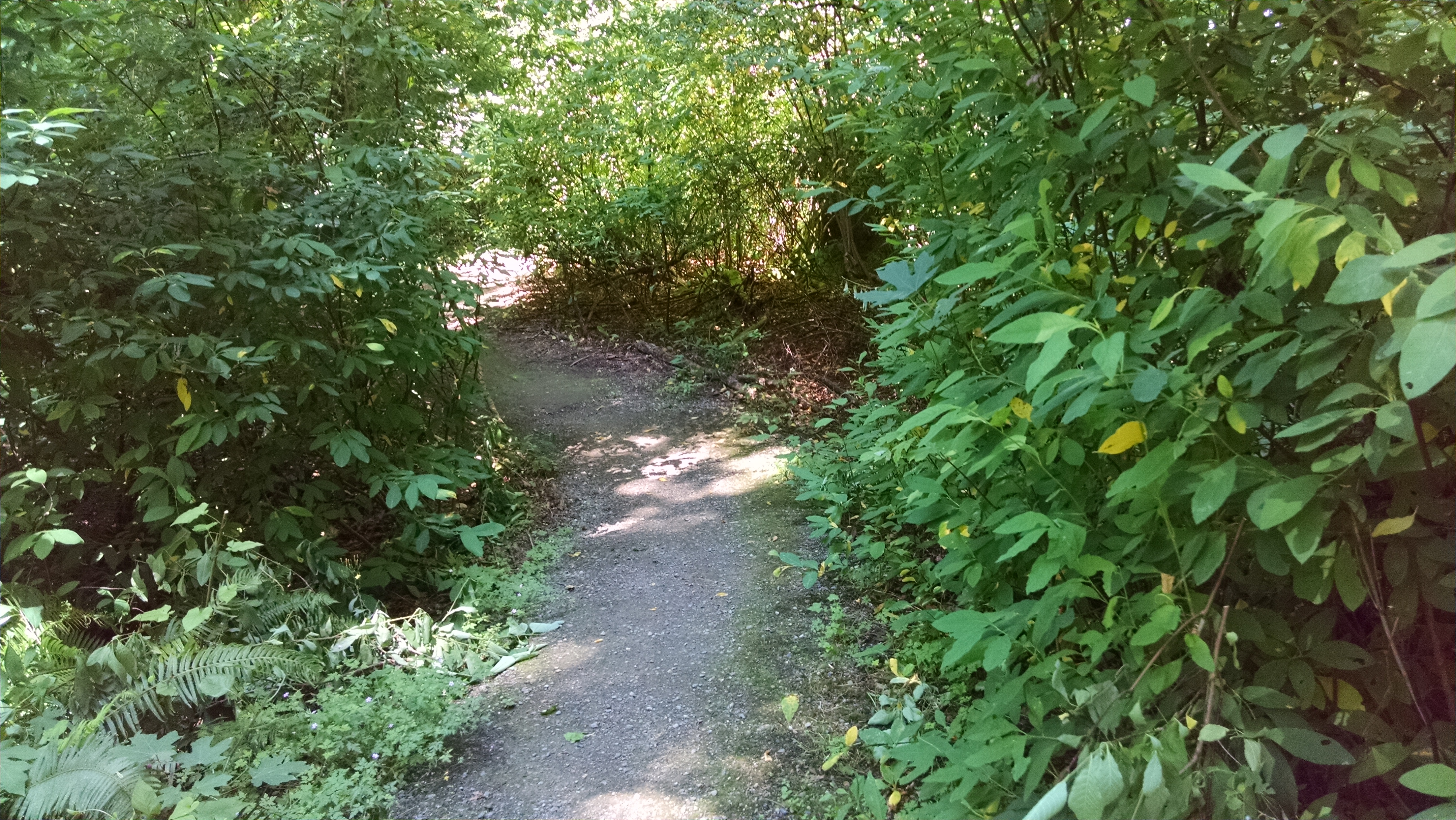
When planning a walk or a hike, the first parks that come to mind are the most popular ones – Green Lake, Alki Beach, Marymoor, Rattlesnake Ridge. But these can get crowded, especially on summer weekends. But in King County, we are blessed with so many fabulous public spaces outdoors. Here are some less well known gems to consider for your walks. (Some of these are bike-friendly, some are not: check bike maps for bike trails.)

Bellevue

Bellevue Parks has over 2700 acres of parks and open space and over 90 miles of trails! There’s a map of Bellevue Parks here. Some options to try out:

There are three parks I know of that you might never know had a mile or more of hiking hidden in them.  Robinswood Park – near Bellevue College. Here’s a trail map, with one of our favorite trails through the woods marked out on it. Ardmore Park – near Microsoft.  Zumdieck is just north of downtown, and has a nice little loop through the woods. These are all great hikes for young children – I’ve done them with many three year olds, also good for elders who aren’t looking for an endurance hike. All three have playgrounds.

If you want a more challenging, straight uphill in the woods hike, try the Weowna Park Trail up hill from Lake Sammamish. And Bridle Trails is lovely if you don’t mind encountering horses.

If you’re just looking for a place to have a picnic or sit and read or play, there’s also tons more parks, both big and small. Some have playgrounds, some don’t. There are also lots of “mini-parks” and “corner parks” that aren’t much more than some grass, some trees and a picnic table. Check on the Bellevue Parks website to learn more. And more Bellevue trails are listed here.

Great Parks that can get Crowded

Downtown Bellevue Park; Crossroads Park. The barn area at Kelsey Creek park may be more crowded, but there is a nice .9 mile walking trail there, which should be fine.

Kirkland

Here’s the Kirkland Parks map. Some parks to try:

  • McAuliffe Park (between Totem Lake and Juanita Beach) is a big park with wide open grassy fields, shade trees, an ancient barn, vintage farm equipment and wind mills.
  • OO Denny – north of Juanita, near the Kenmore border. Nice beach area. (There’s a playground there.) What many people don’t notice is that on the other side of the road, up the hill, there’s a few miles of fabulous wooded trails (here’s a trail map with points of interest). It’s a pretty challenging steep climb, but beautiful. When we went on a beautiful day in late April, we hiked two hours, and passed maybe 20 people.
  • Big Finn Hill is also on the border of Kirkland and Kenmore. It’s got 9.5 miles of trails back behind the playground.
  • Carillon Woods – near Northwest College. Some trails into the woods, pretty hilly. I wrote a post about it, though it mostly covers the playgrounds.
  • Edith Moulton – between Totem Lake and Juanita. Here’s the schematic for when it was re-designed, which includes detailed maps. It’s got a nice easy walking loop.
  • Juanita Bay (around the corner from Juanita Beach) has a nice path to look over the lake. You may see turtles. The boardwalk there can get a little crowded when we’ve driven by near dinner times.
  • Juanita Heights, Kingsgate and Norway Hill also have trails. They’re maybe a mile or so, just wandering in the woods – not “special” but a nice opportunity to get outside and move. They are quite hilly, so not stroller parks.
  • Places to sit and read/work outside: Everest Park – I like parking at their north parking lot and sitting by the stream. Peter Kirk in downtown Kirkland (park at the library), Terrace Park in Houghton – both of those have playgrounds.
  • Best parks for toddlers: Tot Lot, Phyllis Needy are both fully fenced, so it’s easy for parents to relax.

Juanita Beach, Marina Park, and Houghton Beach can get really crowded on sunny days.

Kenmore

  • Rhododendron Park has a short trail – a nice amble for a young child or an elder.
  • Wallace Swamp Creek has trails, but I haven’t had the chance to check it out. (Note, this is NOT an off leash dog park, but some people are under the impression it is, so there may be loose dogs there.)
  • Burke-Gilman Trail. This is a 20 mile long trail, but portions of it go through Kenmore. It’s paved, so great for bikes, roller blades, strollers. It is quite busy on sunny weekends, but probably a decent option for a cloudy, gray weekday. We have found the Kenmore stretches to be less busy than the Seattle zones.
  • St. Edward’s State Park. Lots of great trails. Quite busy on a sunny weekend, but would be a good outing on a rainy weekday. Large playground – it’s possible to park a ways away and walk away from it, and they might not notice. It’s a state park, so you need a Discover Pass, or it’s $10 to park there.

Here are more Kenmore parks,

Redmond

There are 59 miles of public trails in the City of Redmond! The City of Redmond website doesn’t provide a lot of detailed information on the trails; however, you can find more info about them on the All Trails website or app, on the Washington Trails Association website or TrailLink.

Trail names to look up:

  • Watershed Preserve Trails, off of Novelty Hill Road. 800 acres, with multiple trail options from 0.6 short loops to 4.3 mile hikes. Beautiful walk through green – moss, ferns, trees, ponds…. beautiful. There’s a lot of tree cover, so it’s good for rainy day hikes.
  • Tolt Pipeline Trail – 11 miles, Duvall to Bothell. Bridle Crest Trail, 3.3 miles from Bridle Trails to just north of Microsoft – it runs where 60th St would be if 60th went through.
  • The Marymoor Connector Trail is a 1.6 mile trail through Marymoor Park. It’s an easy walk with a stroller or an easy bike ride. It connects the East Lake Sammamish Trail (11 miles, up the east side of the lake) and the Sammamish River Trail (10 miles, Redmond to Bothell)
  • Farrell-McWhirter off Novelty Hill Rd. near Avondale – this is a farm park but there’s also a 1.3 mile trail through the woods. There’s a self-guided orienteering course there.

Or, there’s the 1.5 mile Viewpoint trail in the Tam O’Shanter neighborhood on the border of Redmond and Bellevue.

Snoqualmie / North Bend

On weekends, their parks can be over-flowing with day hikers. If you really can’t resist the area, instead of going to Mount Si, check out this article on 7 Trails to Try

Other Areas

Check out this Parent Map article on State Parks near Seattle. It covers Dash Point in Federal Way, Flaming Geyser in Auburn, Bay View in Mt. Vernon, Camano Island, and Salt Water in Des Moines. And this article on Secret Urban Hikes in Seattle area.

Learn about Nature while you’re out

I’ve written a guide to learning about Northwest Native plants, which includes all the major plants you’ll find on a hike outdoors, and also has a couple of scavenger hunts – one for preschool age kids, one for older kids (or adults), and a dichotomous key. Here’s another great Native Plant Field Guide that was developed by someone as her senior year project.

The City of Bellevue has a scavenger hunt for Lewis Creek that could also be used elsewhere. I found that some of the things on it were harder for kids, so I made my own version of the nature scavenger hunt using theirs as a base.

Discounts for EBT Card Holders

What is EBT

First things first – what is EBT and do you qualify? EBT stands for Electronic Benefits Transfer and is how many people access their “food stamps” – their SNAP benefits (Supplemental Nutrition Assistance Program). To learn more about SNAP and determine whether you are eligible, go to https://www.fns.usda.gov/snap/recipient/eligibility

Here’s a general overview of eligibility requirements: your gross income must be at or below 130% of the federal poverty level ($2353 a month for a household of 3 people), or your net income after housing, childcare and medical expenses must be at or below poverty level ($1810 for a household of 3.) You must be a US citizen or qualified non-citizen. There are also asset limits, adjustments if anyone in your household is disabled or over 60, or may be work requirements.

Nationwide Discounts

The staff of Beautiful Soles has complied a list of discounts for low income families that have EBT cards. (SNAP / Food Stamps) I have not independently verified these.

Amazon Prime: Recipients of Washington Basic Food and EBT Cash benefits (or Medicaid benefits) can qualify to save 50% off their Prime membership. If you order off Amazon a lot or are looking for a cost-effective alternative to traditional TV services, Amazon Prime will probably be worth it to you.

Farmers’ markets: You can also use your EBT card at participating farmers’ markets to purchase fresh produce. The USDA’s Food Nutrition Service (FNS) provides a monthly list of the names and locations of markets across the country that are currently authorized to accept Basic Food benefits.

Internet and phone: Through the Affordable Connectivity Program (ACP), eligible Basic Food recipients could receive up to a $30 per month discount on internet service and up to $75 per month for households on qualifying Tribal lands. Basic Food households may also qualify for free or low-cost landline or cell phone service through the Federal Lifeline Program. Consult with your service provider for more information.

COMCAST INTERNET $10/MONTH & LAPTOP $149: Comcast is another company that offers low cost internet for EBT card holders. The Comcast internet plan offers high speed internet for only $9.95 per month. If you qualify for their low-cost internet, they’ll allow you to purchase a computer for $149.

Hot & ready pizzas at 7/11! Buy a frozen pizza at select 7/11 locations and they’ll cook it for you on site! Before you go, it is best to call the location you are thinking about going to so you can make sure they will accept your card.

Strawberry Plants .org: Use your EBT card for You Pick farms! Strawberry Plants is dedicated to helping people develop an appreciation for all things strawberry, and the love of strawberries often develops on a U-Pick strawberry farm as buckets and buckets of beautiful berries are plucked for pies, preserves, and fresh eating. Go to their website to find what farms are near you that you can use your EBT card for.

YMCA. Discounts for low-income individuals and families. If you qualify for food stamps, you may qualify for a discounted YMCA membership! Contact your local YMCA for details.

Seattle Area Discounts

The Children’s Museum of Skagit County welcomes low-income families for $3 per person, up to four people per EBT card. They also accept WIC, CHIP, Provider One, Apple Health or Foster Parent cards for this discount. Proof of eligibility is required.

KidsQuest Children’s Museum (Bellevue)– If you have both an EBT card and photo ID, then you can pay just $3 for up to four people to play at KidsQuest Children’s Museum. Children who are less than one year old are always free. On the third Thursday of the month, admission is always just $1 each between 5pm and 8pm.

Everett Imagine Children’s Museum: $3 per person with EBT Card. Designed with kids ages 1-12 in mind, Imagine Children’s Museum encourages children to experiment, pretend, splash, think, wander, create and explore. Meander past the giant tree to discover the wildlife clinic, drama stage, railroad, an airplane and so much more!

Seattle – Museum of History and Industry (MOHAI) – $2 per person. Discover the history and the future of the great city of Seattle with the rare objects, historic images and hands-on exhibits offered by MOHAI. Permanent exhibits include True Northwest, Maritime Seattle and the Bezos Center for Innovation. Temporary Exhibits include the Kid-struction zone, Edible City and more.

Seattle Aquarium Single Tickets- Discounted one-time-use admission tickets and annual memberships are available to qualifying Washington state resident individuals and families with an EBT card.

Seattle – Museum of Pop Culture (MoPOP). Individuals and families presenting an Electronic Benefits Transfer (EBT) card and a valid form of photo ID can receive free admission (excluding special programs and exhibits) for up to four individuals.

Seattle – Pacific Science Center (PacSci). The Pacific Science Center has an incredible access membership for families who are receiving public assistance (including both Medicaid and Washington Food Stamps). It’s just $19 PER YEAR for up to 2 adults and 6 children!

Seattle – Seattle Art Museum. As a part of Museums for All, SAM offers free admission to low-income families and individuals receiving SNAP benefits when you show your EBT card. This includes 4 free admissions and children under the age of 14 are free and do not count towards an admission pass.

Seattle Children’s Museum. Bring your Washington EBT card or ProviderOne Card to Seattle Children’s Museum and receive special discounted admission! Food stamps (EBT) cards enable you to visit the museum for just $1 per person for the entire family. A ProviderOne card enables the person named on the card to play for $1, as well.

Seattle Children’s Theatre. Families with a current WA food stamps card can get up to two adult tickets for $10 each and six FREE children’s tickets! Children must be accompanied by an adult. Weekend performances must be purchased day-of-show, but Thursday and Friday performances may be purchased up to two weeks in advance.

National Nordic Museum. The First Thursday of every month is FREE. Please select your tickets below and your complimentary discount will be applied at checkout. Reserve your tickets in advance online and make sure to stop at the Admissions Desk to check in for First Thursday. Access to special exhibitions is available for $5 per person on First Thursdays.

Wing Luke Museum. As a part of Museums for All, SAM offers free admission to low-income families and individuals receiving SNAP benefits when you show your EBT card. This includes 5 free admissions.

Burke Museum – EBT and SNAP cardholders can enjoy Burke Museum for free. The museum also holds Free First Thursdays where all guests get free admission on every first Thursday of the month. Click here to learn more about other discounts they offer.

Point Defiance Zoo and Aquarium – Tacoma. Discounted Tickets: Up to 6 daytime admission tickets for $5 each for the adult receiving the benefit and their legal dependents (aged 3-18).Discounted Membership: An annual Wild Access membership for $40. This household membership covers 2 named adults and all legal dependents ages 3-18. Children 2 and under are always free. Wild Access discounts cannot be combined with other offers or promotions. Photo ID and EBT Card or WICC card must be presented at our front gate to purchase Wild Access daytime admission tickets and memberships.

Woodland Park Zoo. $5 per person/$35 per YEAR. If you have WIC or EBT, then you can get $5 per person (children 2 and under are free) tickets to Woodland Park Zoo! You can purchase tickets for up to six family members. You must be a Washington State resident to use this discount. They also offer a $35 per year membership called the Explorer Pass, for families who receive EBT or WIC in Washington State. The pass covers two named adults and up to six children 3-18 years old (children 2 and under are free). For Washington residents only.

Northwest Railway Museum. $3 or less per person. The Northwest Railway Museum invites the public to experience a working railroad while also exploring the history of the railroads in the Pacific Northwest. The museum is open seven days per week and spans several locations, including the historic Snoqualmie Depot, Railway History Campus and Centennial Trail Exhibit.

If you know of other options, please comment!