Tag Archives: King County

Measles – what parents want to know

In 2025, as of early June, there were 1168 cases of measles in the United States, the majority in children. (In all of 2024, there were only 285 cases.) There have been 3 deaths from measles. The first deaths in the United States in a decade.

There is an outbreak of measles in Texas with 744 cases as of 6/13 (plus 81 in New Mexico and 19 in Oklahoma), most of them in children.

So it’s time for an update on measles: what is it, how contagious is it, and how to prevent the spread (hint: the measles vaccine substantially reduces your risk.)
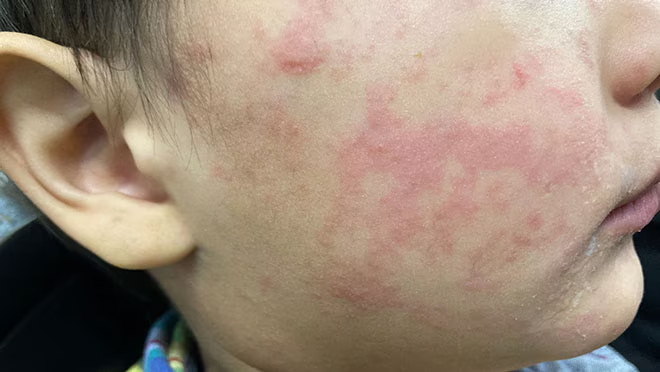
photo of measles rash from CDC

What is Measles?

Measles symptoms appear 7 to 14 days after contact with the virus. Measles typically begins with: High fever (may spike to more than 104°), cough, runny nose, red, watery eyes.

2 – 3 days after symptoms begin, white spots in the mouth may develop.

3 – 5 days after symptoms begin, the measles rash appears: beginning as flat red spots that appear on the face at the hairline, then spread downward to the neck, trunk, arms, legs and feet. Small raised bumps may appear on top of the flat red spots. The spots may join together as they spread. The fever may spike to more than 104.

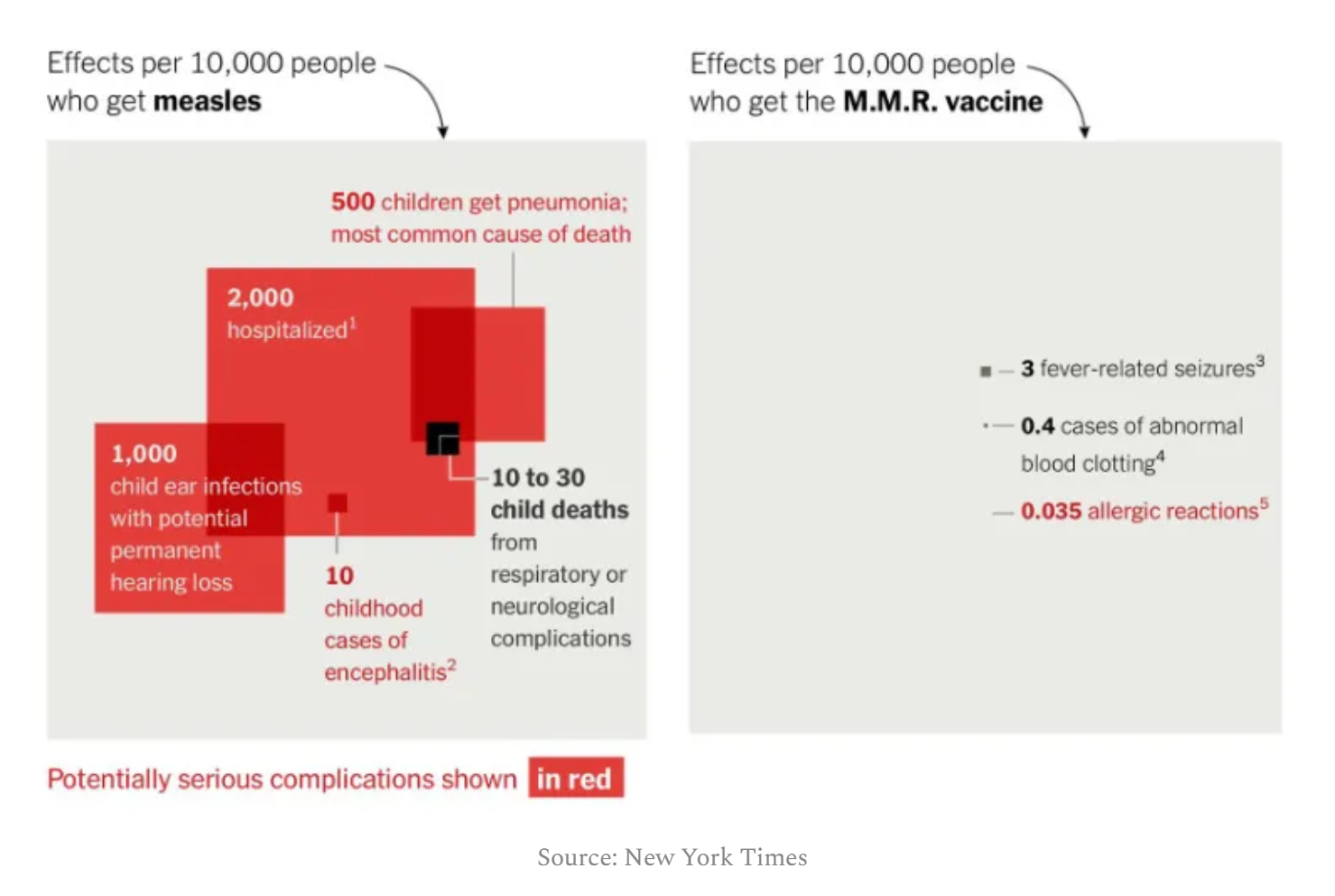
Measles can also cause serious problems, including ear infections (1 in 10 people with measles), pneumonia (1 in 20), and encephalitis (1 in 1000) which can cause permanent brain damage. About 1 in 4 people who get measles in the U.S. will be hospitalized. Even after recovery, it has a long-term effect on your immune system, making you more vulnerable to other diseases.

You may hear some people say “measles can be treated with vitamin A” as if to imply that it is a minor and easily treatable illness where you pop a few vitamins and it’s resolved. Although vitamin A does have significant benefits in reducing mortality in children who have measles (especially in countries with high levels of vitamin A deficiency), preventing a child from getting measles in the first place is a far better way to reduce measles mortality. Vitamin A does not protect someone from infection with measles (it’s not preventative), and if a child does have measles, parents should not self-treat with vitamin A without consulting a physician.

Is measles deadly?

No, not for most people. (For example, I learned today from looking at my health records that I had measles as a baby, in 1967.) However, for every 10,000 people who get measles, 10 to 30 children will die.
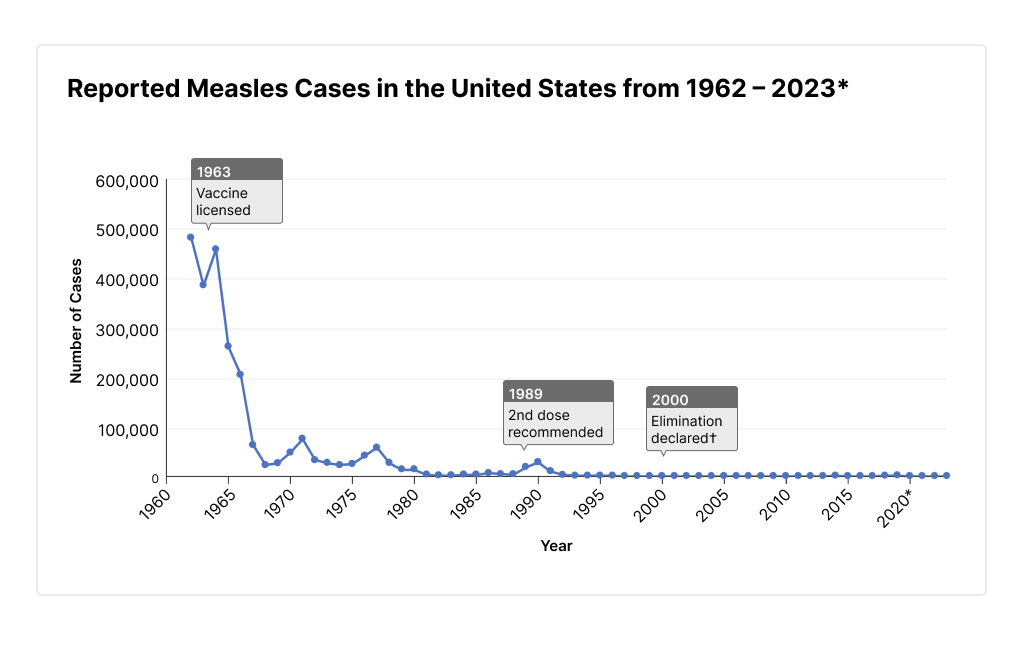
You may hear some people say things like “a lot more people die of flu each year than measles”, with the implication that measles is not that risky. No. The reason is that since measles vaccines became available, measles has become a fairly rare disease. Before the measles vaccine existed, there were 3 to 4 million cases per year in the US and 400-500 people died. Now, with the majority of people vaccinated, measles cases are rare, and death is rarer. In 2024, there were only 285 cases in the US and no deaths. Versus in the 23-24 flu season, there were 40 million flu-related illnesses, so of course there were more flu deaths.

Now, before the end of May 2025, less than 1/2 of the way through the year, we already have 1100+ measles cases, many due to an outbreak in an area where lots of families chose not to vaccinate their children.

How Contagious is Measles?

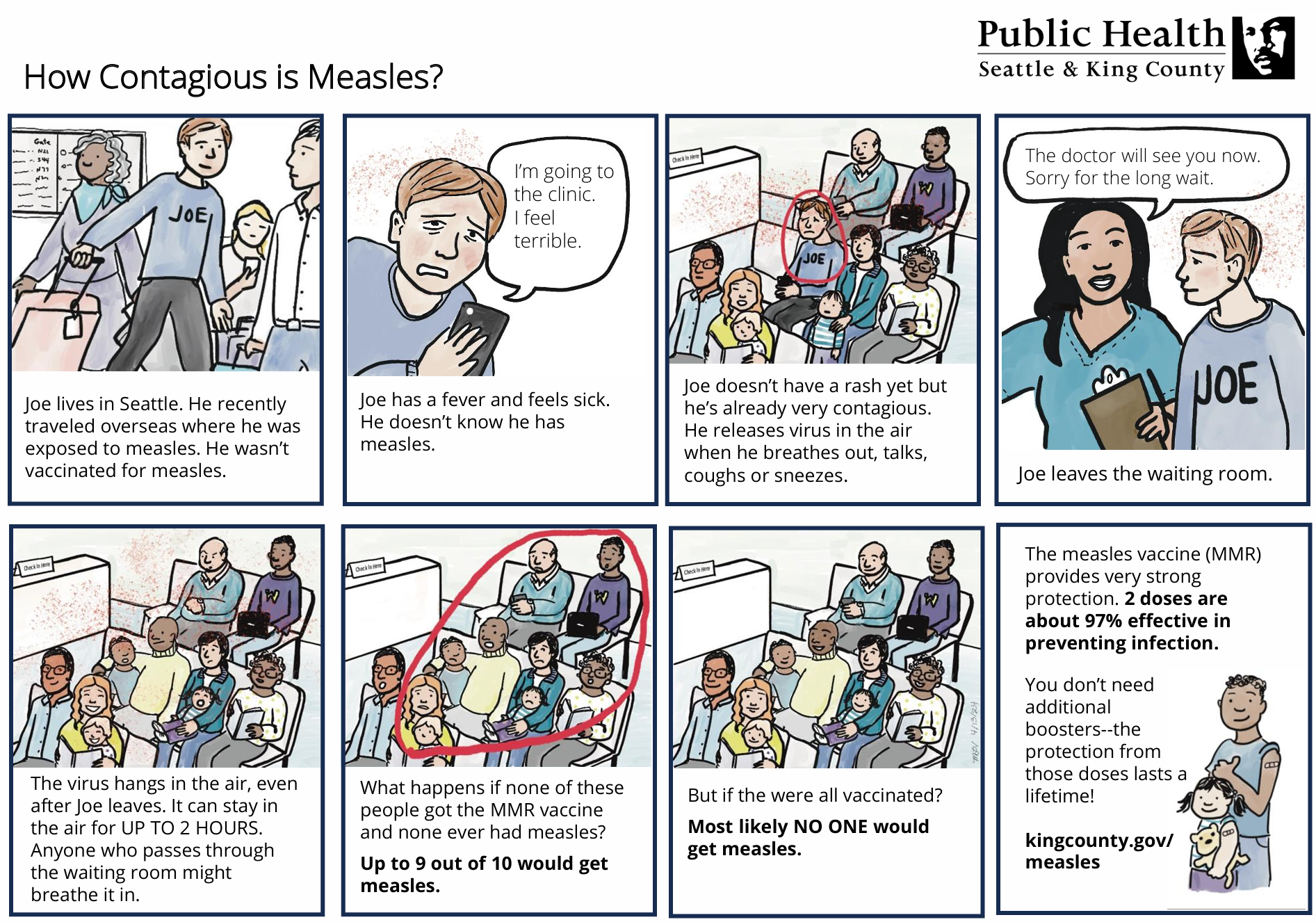
For people who are not vaccinated / immune, it is the most contagious virus on Earth.

When someone has the measles, they may develop fever and other symptoms before the characteristic rash appears. (They may be infectious for 4 days before the rash appears.) So they may not realize they have measles, and may be out in public – in school, restaurants, shops, buses or medical clinics. If they cough or sneeze, they produce infected droplets, that can remain active in the air or on surfaces for up to two hours. If people who are not vaccinated / immune are exposed to the contaminated air / surfaces, the chance they will develop measles is 9 out of 10.

On average, every person with measles will spread it to 12 – 18 unvaccinated people.
If you or your child has been exposed to measles, contact your doctor.

Protecting against Measles

For those who are fully vaccinated, their chance of getting infected at all is about 1 – 3 in 100 (vs. 9 in 10 for unvaccinated). And, even if they are in that 1 – 3% that does get an infection, it will be much milder, with many fewer complications and be less infectious than in someone who is not vaccinated.

The more people in a community who are vaccinated, the lower the risk of an outbreak. If at least 95% are vaccinated, that’s considered herd immunity or community immunity and that reduces the risk of the spread in that community.

In King County, Washington, 97% of our 6th/7th graders are vaccinated against measles, but only 92% of kindergarteners are, and only 87% of 2 year olds. (And, 0% of babies under 6 months old.)

It is recommended that children receive a dose of the MMR vaccine (which includes measles) at 12 to 15 months. [If your community is having an outbreak (3 or more related cases) or you are traveling internationally, they can receive that dose as early as 6 months. Learn more about protecting infants.] That provides 93% protection against infection. They should have the second dose at 4 – 6 years, which brings them up to the 97% protection. If your child is not vaccinated, you can get them vaccinated at any time. Learn more. You can also get vaccinated yourself if you are not – check for contraindications (e.g. you can’t get the MMR vaccine while pregnant.)

Even if you have already been exposed to the measles virus, getting a vaccine shot within 72 hours of exposure (or an immunoglobulin medicine within 6 days of exposure) will help reduce the chance of infection / the severity of the illness.

Vaccination is the single best way to reduce risk of infection. You can also reduce risk with all the usual things: handwashing, hand sanitizer, and limit exposure to people who show signs of illness.

Am I Immune?

You are presumed to be immune (and thus don’t need a vaccine) if you have:

  • written documentation of your past vaccines (children age 1 – 3 should have one dose, age 4 – 18 two doses, for most adults one dose is enough but healthcare providers and international travelers should have two)
  • a lab test that shows immunity
  • laboratory confirmation of disease
  • were born before 1957 (it’s assumed that most people born before 1957 had the illness at some point)

If you received a LIVE measles vaccine in the 1960’s you do not need to be revaccinated. But, if you received an inactivated measles vaccine between 1963 and 1967, it was not effective and you should be revaccinated.

If you’re unsure: You can ask your doctor for a blood test to check for immunity, or just get the vaccine. The MMR vaccine is safe. There’s no harm in getting another dose.

Is the vaccine safe? What are the side effects?

Common side effects are: Soreness, redness, or swelling where the vaccine was given, fever, mild rash, and temporary pain and stiffness in the joints. More serious side effects, such as a high fever or a febrile seizure are rare. The MMR vaccine does not cause autism.

If your child is due for any shot, check out these tips for how to make shots less stressful.

Note: I am an educator, not a health care professional. For professional, evidence-based info on any of the topics above, please click on the links above. Or go to https://www.cdc.gov/measles/about/index.html and https://emilysmith.substack.com/p/measles-updates
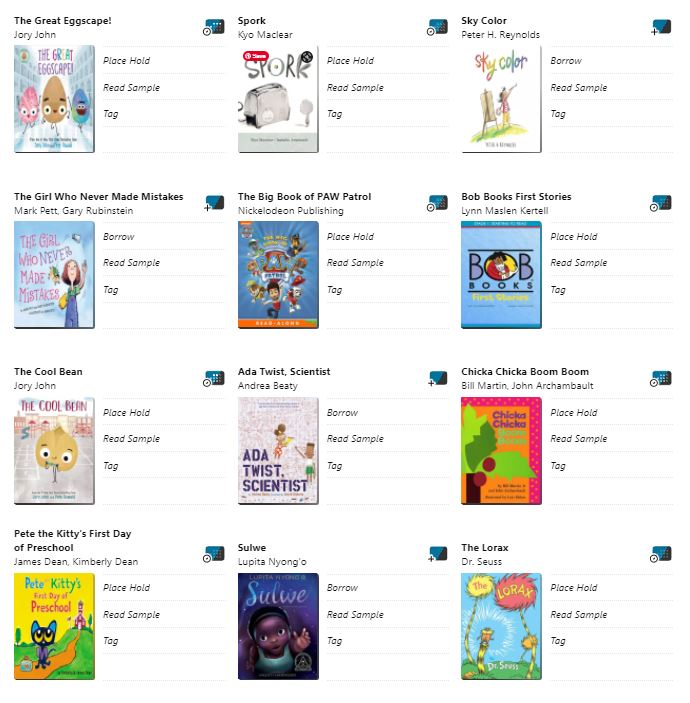
Online Resources Available through KCLS

If you live in King County, Washington, you have access to several amazing online resources for free through the King County Library System. (Here’s my basic tutorial on how to use KCLS. And here is KCLS’ info about their ebook options and streaming video services.)

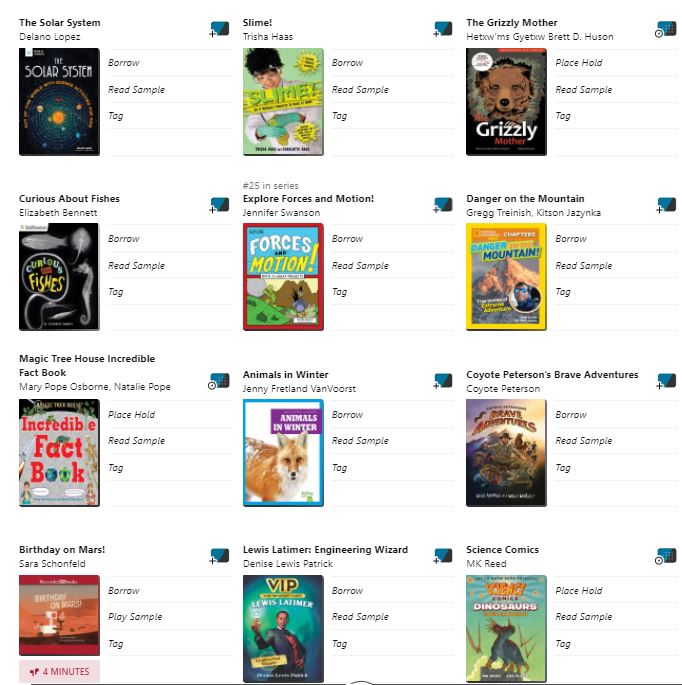
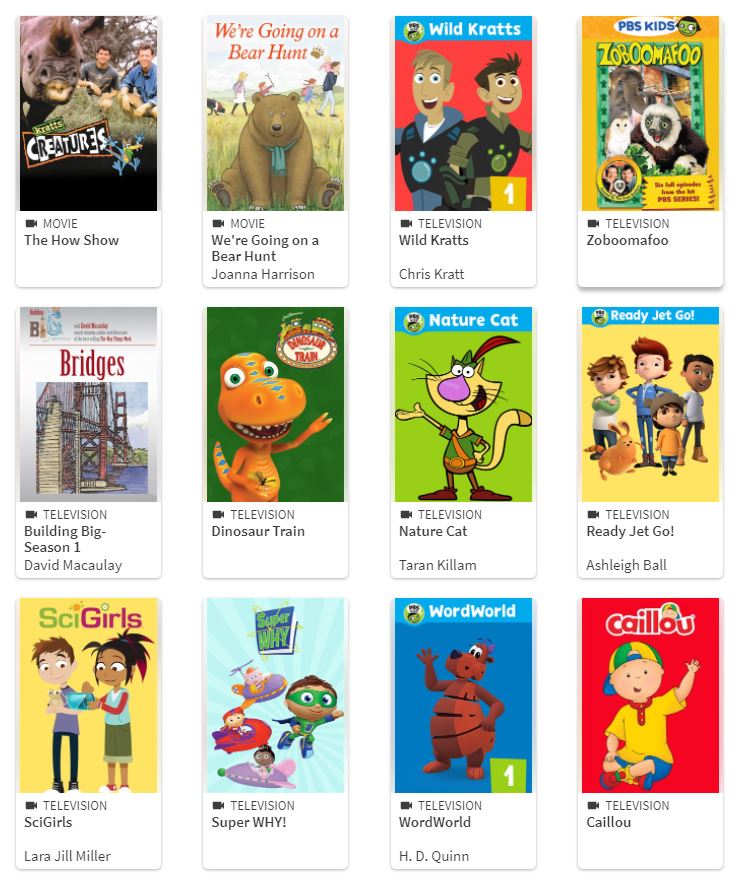
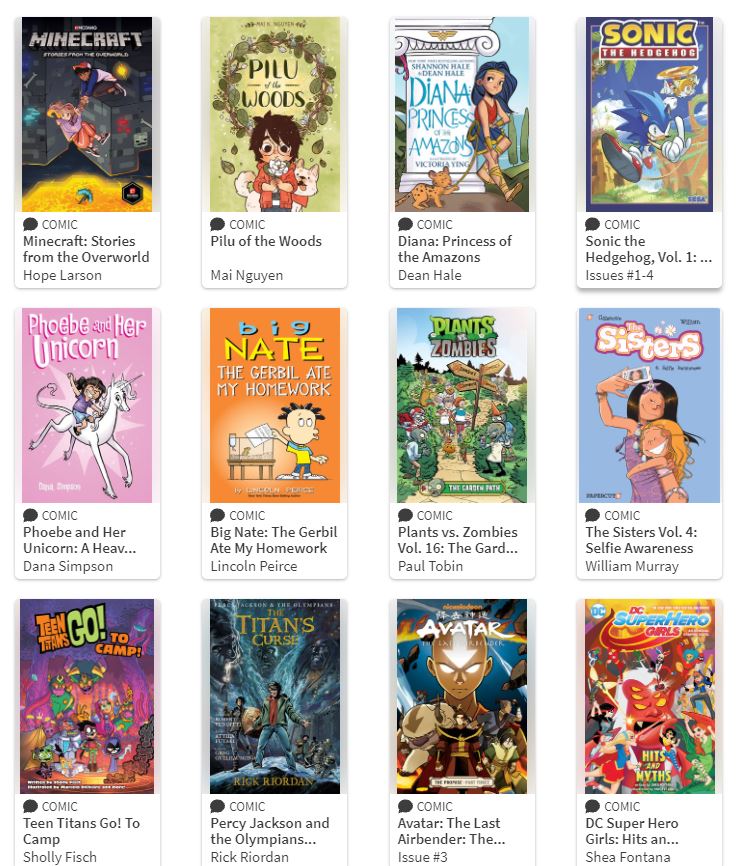
There is so much content available that it’s hard to even preview it all, so I’m just including a snapshot of just two pages of search results from each service to give you a sense of what they offer.

  • Libby – ebooks and downloadable audiobooks
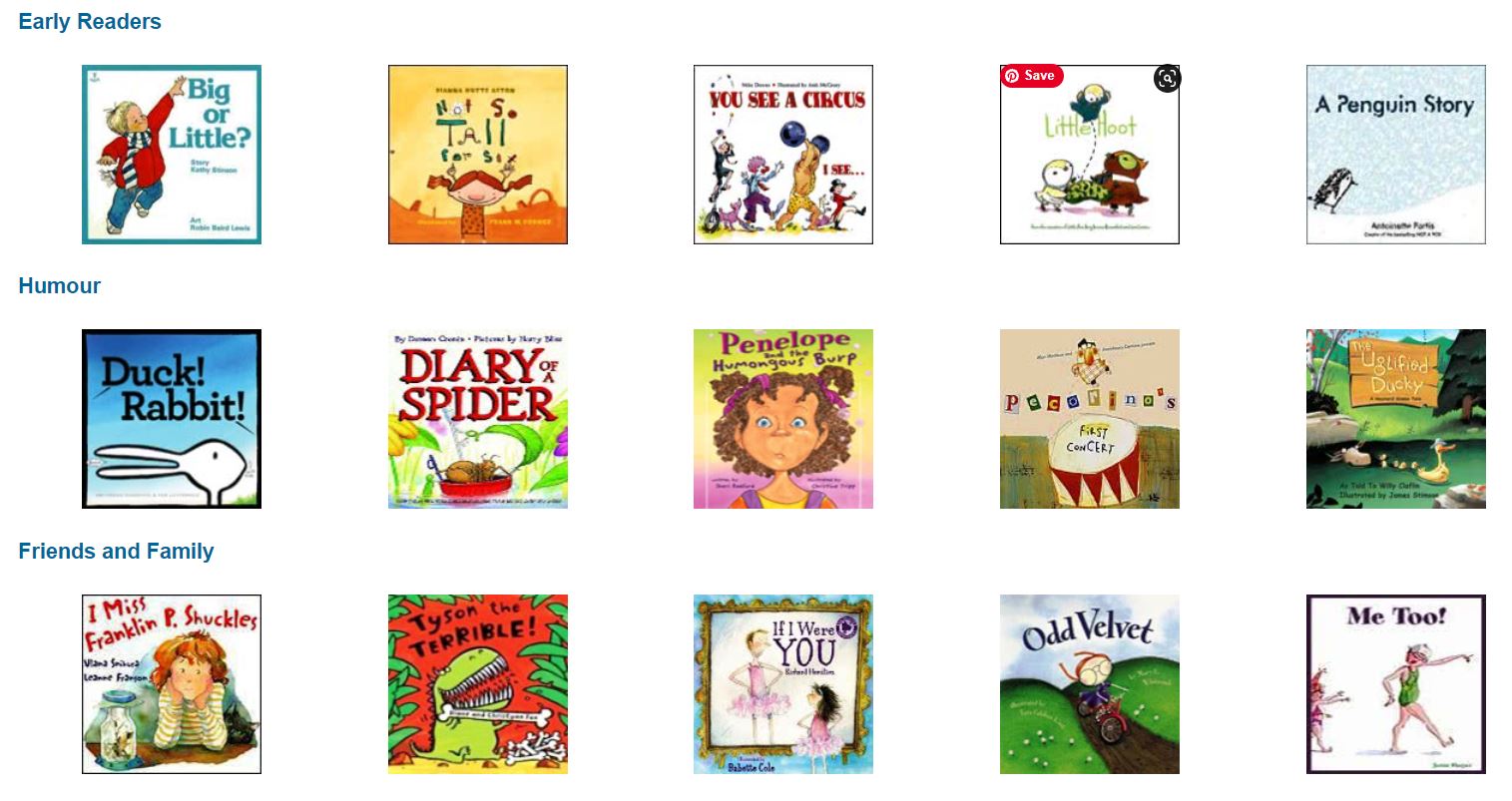
Libby – kids’ picture books
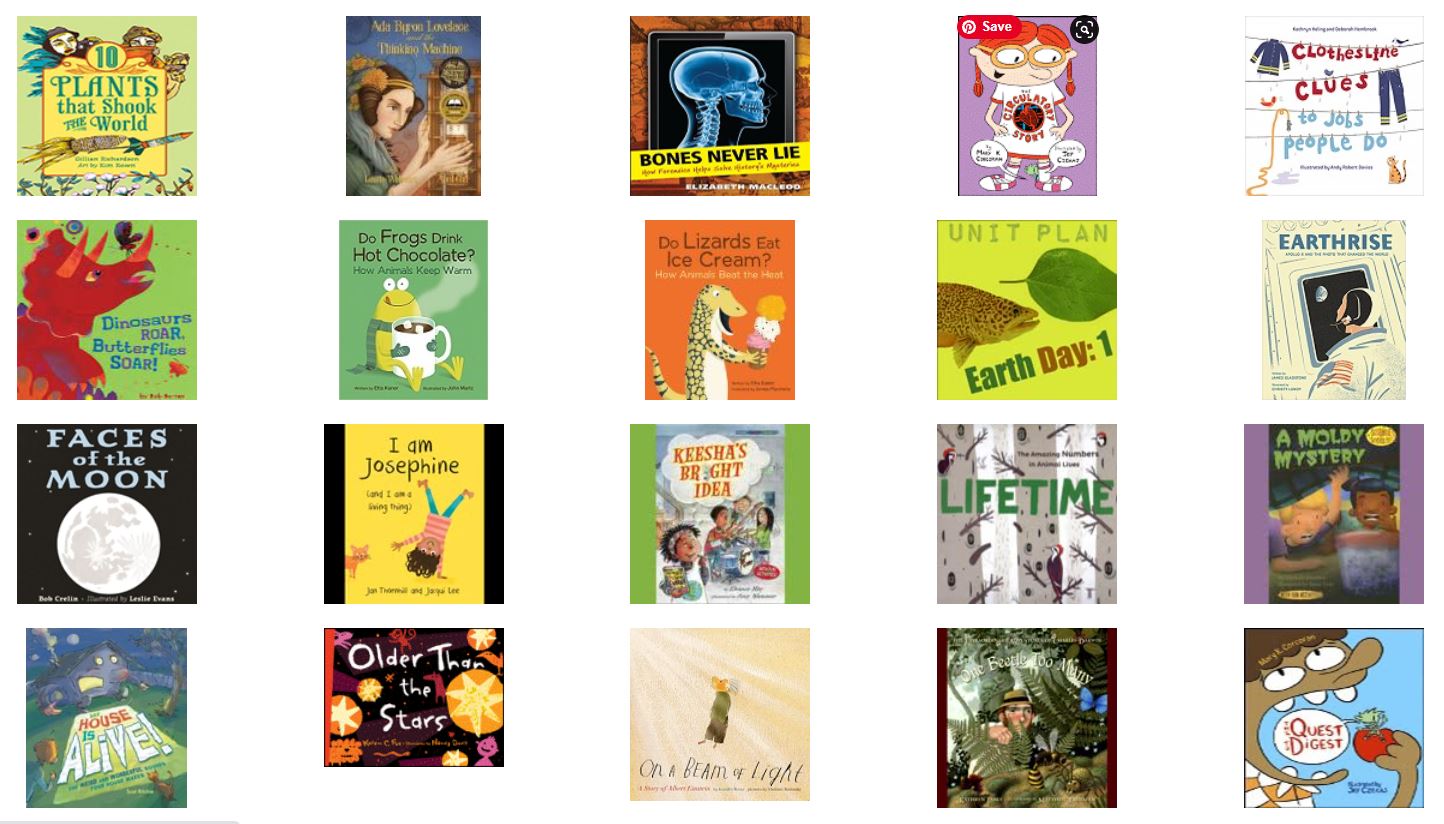
Libby kids science books
  • Hoopla – movies, music, audiobooks, ebooks, comics and TV shows to stream or download
Hoopla PBS shows
Hoopla comics
  • Tumble Book Library Video storybooks and read-alongs for readers in grades K-6, including some in Spanish and French
Tumble picture books
Tumble science books
  • BookFlix Classic video storybooks paired with non-fiction eBooks. Preschool to 3rd grade.
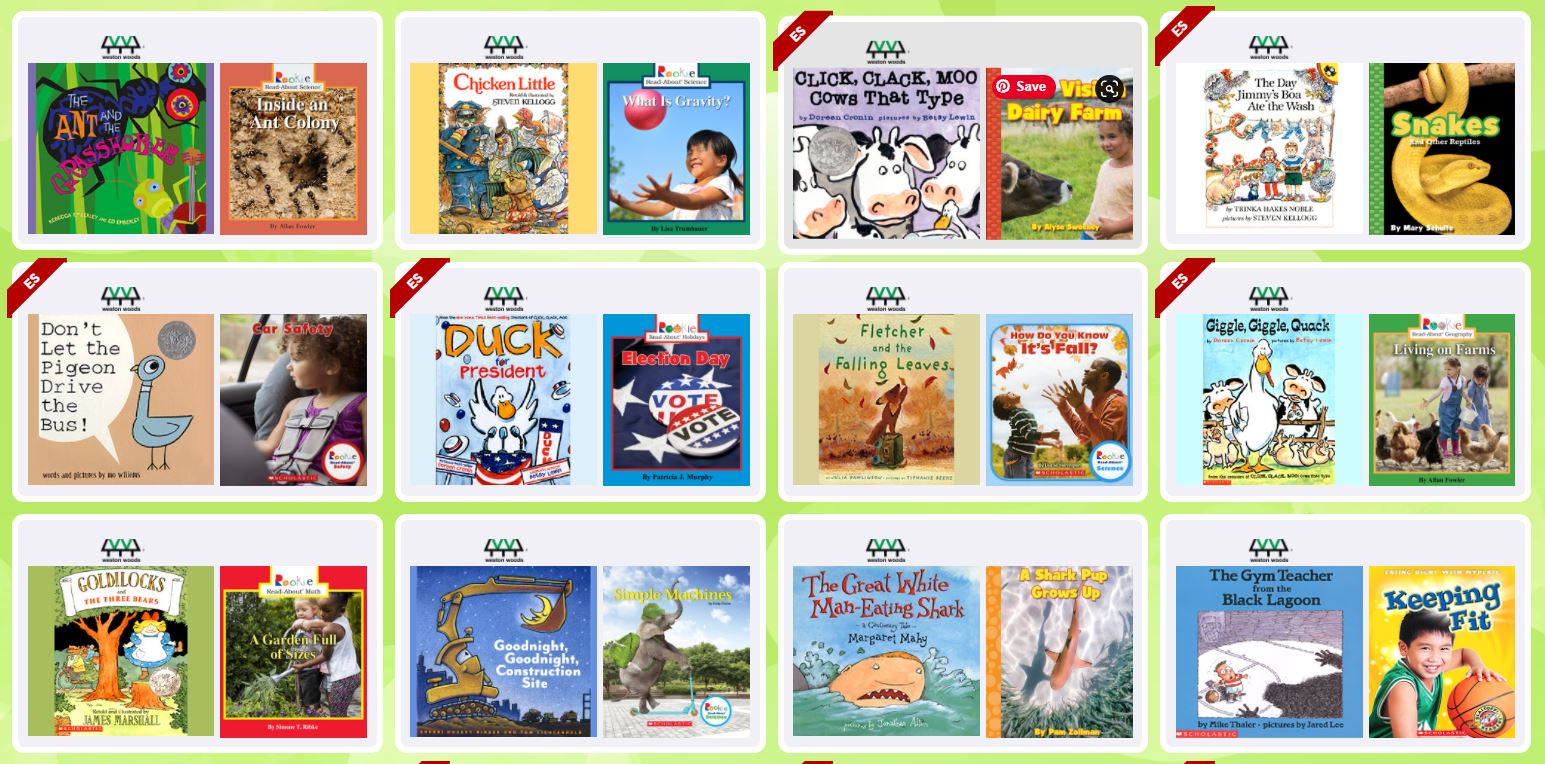
Bookflix Imagination books
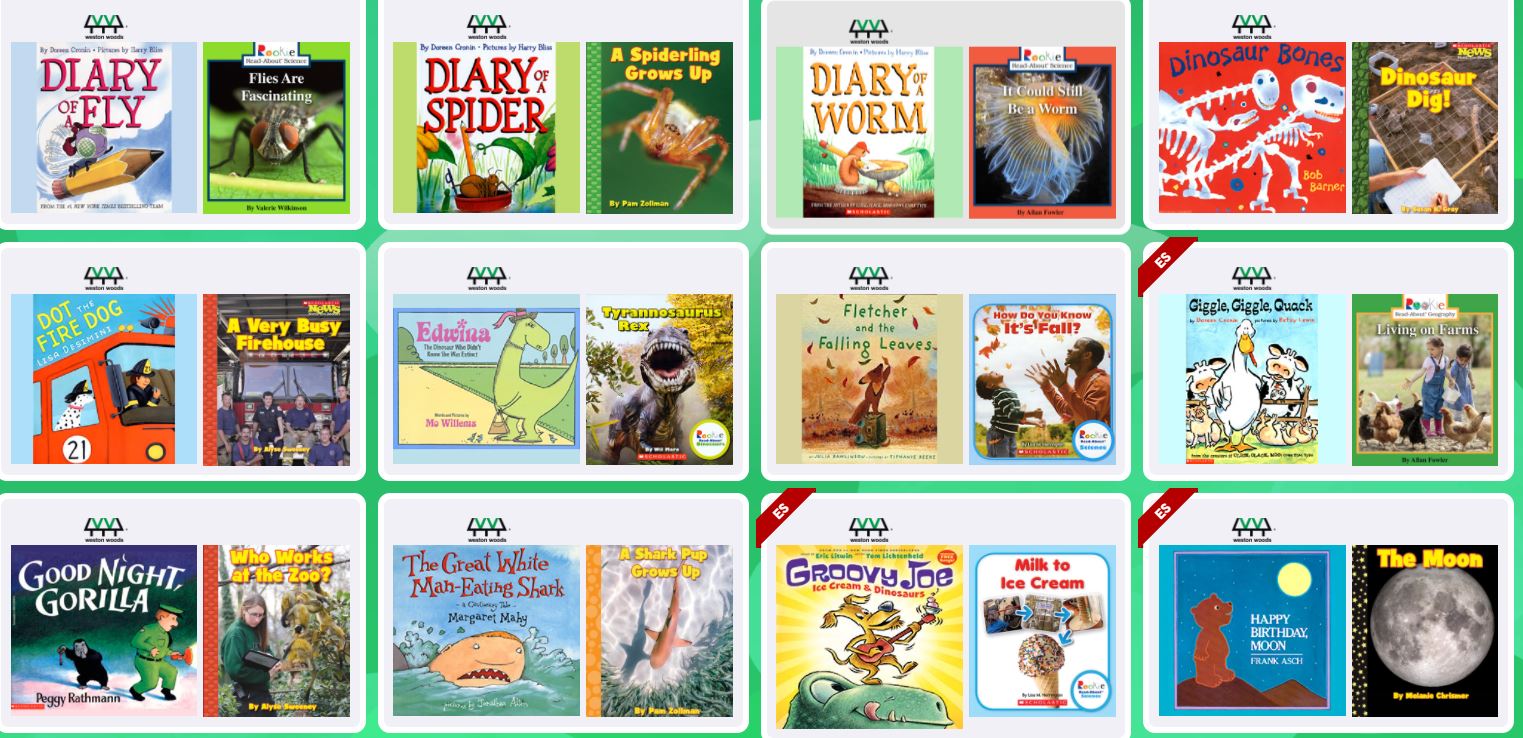
Bookflix Nature and Animals
  • Kanopy – Watch thousands of films from independent filmmakers and popular producers. Titles include The Criterion Collection, The Great Courses, and PBS.
Kanopy Kids
Kanopy Science Documentaries

Learn more about these, and other services at https://kcls.org/resources-types/ebooks-format/).

What’s the Best Summer Camp?

20180803_222448381_ios

Each year around this time, parents start asking me about summer camp. They want to know which are the best ones. Just like with choosing preschool, I can’t give you a simple answer. Because what’s “best” depends on what your needs or goals are.

So, I recommend that before you look at camps, you first answer these questions for yourself. [Note: at the bottom of this post, I recommend camps my family has enjoyed on Seattle’s Eastside, so local folks may want to check those out!]

Needs

What are your basic logistical needs?

  • Scope: Do you need full-time care all summer while you work? Or full-time care for a few weeks so you can focus on adult projects? Or part-time enrichment camps that leave the afternoons for free play? (I know families that when they visit the grandparents, they enroll the children in a part-time day camp, which may be more fun than hanging out at the grandparents’ house all day, and allows the adults some time to do adult activities.)
  • Schedule: What time would it work for you to drop off? What time can you pick up?
  • Location: I’ve often enrolled my kids in camps that are quite a ways from home. (Like wilderness camps and farm camps that were both about 40 minutes from our suburban house.) It works for me, because I just bring my laptop and while they’re at camp, I sit at nearby parks or coffee shops and get my work done. But you may prefer to stick closer to home or your workplace.
  • Cost: Costs range a lot! And it’s hard to compare costs between camps, as some camps are 5 hours long, some 6, some 7…  For example, even within the one Parks department, for a 7 year old, the hourly cost could be anywhere between: $9 per hour for theater or ballet camp to $11.50 for Lego/STEM to $22 per hour for pottery camp (high materials cost, I’m assuming.) If you need full-time care, the hourly cost matters. If you’re just looking for an activity focus for a week, and don’t necessarily need 6 – 8 hours of child care, maybe the total cost is more important. The Lego camp is $400 a week (9 – 4 each day), and the pottery camp is $242 a week (10 am – 12:30 pm).
  • Age requirements. There are plenty of camps for age 6 – 12. It’s harder to find camps for little ones, and if you do, they tend to be EITHER full-time child care OR very short – a few hours at a time.

Goals

The next question is what are your goals for having a child attend summer camp?

  • Is it just about child care while working? You may choose to have them attend the same camp every week all summer because having that routine is easiest for you.
  • Is it about summer fun? You may choose camps that emphasize being outdoors and playing, or you may send your kid to the same camps their buddies are going to so they have built-in friends.
  • If you want to expose your child to lots of different activities to broaden their life experience, you may dabble through a: farm camp, wilderness camp, theatre camp, art camp, science camp, and multi-sports camp all in one summer.
  • Is there something you want your child to learn that you’re not able to teach? (Bike camp for me!)
  • Do you want a church-based camp, or a scouting camp?
  • Or do you want a family camp that you can ALL attend together?

Each family may have unique goals for each child.

Limitations: You should also keep in mind if your child has limits to what they can do. My youngest is autistic. He’s also very bright, so he can do so well at a camp that the staff  never realizes his challenges. But he has limits… and when he passes those limits, he has giant meltdowns. So, he does best when I enroll him in half day camps, not full day, and when he is one of the oldest kids in the program rather than one of the youngest so the social/emotional expectations are set at a lower developmental level. Know your child, and choose camps that set them up for success. (Note: there are camps that offer a few sessions each summer that are sensory friendly and have higher staffing levels, and there are also specialty camps that are solely for kids on the spectrum and that really focus on social/emotional skills – those can be a good match for some families’ needs.)

Research your options

Check out your parks department, and those in neighboring cities. Check the Boys & Girls Club, Campfire, Boy Scouts and Girl Scouts. They tend to offer LOTS of different camps, in lots of interest areas and locations and may be fairly affordable options.

Your city may have a summer camp fair (in the Seattle area, ParentMap has offered camp fairs in February and March where you can discover lots of options for summer camps). 6 Crickets is a camp directory. Check ads in local parenting magazines – but  there are lots more great programs that can’t afford to advertise, so also get word-of-mouth recommendations. Ask your friends, family, parents of your kids’ friends, and parents at the playground about what camps they have loved (or not).

Once you’ve collected names of interesting options, you can do your research online to learn more. Look at their websites and Facebook pages, and also search to see what else other people say about them online. (Always remember with online reviews, the people most likely to submit a review are the ones who are mad about a bad experience – anger motivates action. They’ll mark one star. The second most likely are the ones who had unusually amazing experiences they want to share in five star reviews. But there may be 100’s of other people who had perfectly fine experiences who don’t get around to posting their 4 to 5 star reviews.)

Questions to Ask

Things to look for when you’re researching your options:

  • What is the typical schedule for the day?
  • How much is structured activity and how much is free play?
  • What activities does your child participate in?
  • How many children attend? What is their adult to child staff ratio?
  • What experience / training do those adults have? (Note: the vast majority of staff at ALL summer camps are college students, age 17 – 22, with one or two years of summer camp experience.)
  • What backup staff is available in case unexpected challenges arise at a camp site? You may not be able to find this info online, but it’s helpful if they do have this. (I had one camp we went to the first week of their season and it was the first year they’d used that site and the young, inexperienced staff faced some unexpected challenges without experienced folks on-site to back them up… the senior staff got there, but it took them a while – I’m now inclined to choose long-established camps for the beginning of the summer, and save those “start-up” experiences for later in the summer when they’ve worked out the bugs.)
  • Do they have an indoor option in case of weather problems (too wet, or too hot)? I don’t find this a necessity but some parents really don’t want their children out on a really wet or really hot day.

After you go through this process, you’ll have a lot better idea of what you’re looking for in a good summer camp. And one of the nice things about summer camps is that they’re only one week long. It’s a lot less pressure than choosing a school for a full school year. I figure it’s easy to just try it out for a week, and if it’s great, we return every year, if it’s not, it’s a learning experience we move on from.

Camps We Have Liked

Sometimes when I offer parents ‘more questions to ask’ instead of answers to their questions, that can be frustrating. So, here are some recommendations of the “best” summer camps my kids have attended over the years. (All on the Eastside of Seattle metro / King County)

These are  my personal experiences as a parent, not representative of the views of my employers (Bellevue College and Parent Trust for Washington Children.)

My logistical needs for location, cost and schedule were always fairly flexible, so I was able to prioritize my goals of broad learning experiences for my kids. I put them in part-time summer camps most weeks of each summer, because I find I’m the best parent to my kids when I have a few hours to myself each day to work on my projects – that energizes me to come back for a great afternoon with them – going on hikes, swimming, picnics, and more.

Here are camps that my younger child has attended recently and enjoyed (most are camps my older kids also went to years ago.)

  • Studio East. Theatre camps for ages 4 – 19, held at multiple locations in Kirkland. Kids spend a really fun week learning dance, music, lines, and more, and put on a show at the end of the week. Theatre education is also great for social skills, emotional intelligence and teamwork. They really encourage creativity and include kids’ ideas in the experience.
  • Pacific Science Center camps. We’ve tried lots of science camps. PacSci’s are the best, I think, for science learning. They offer lots of themes, in multiple locations throughout King County. Staff is well-trained, and curriculum well-developed. PreK through grade 8. What I don’t love – they’re pretty indoors and pretty structured for a summer camp experience. And most of their camps are full day (9-4). [My child is autistic, and that long of a camp was simply more than he could handle when he was 5 – 8 years old. So, he tended to make it through Monday to Wednesday of a PacSci camp, start melting down on Thursday and on Friday they ask me to take him home partway through the day. I love that they’re starting to note “sensory-friendly” camps on their schedule that are a better match for kids with autism or sensory issues. I wish they’d realize that a shorter schedule would also help.]
  • Wilderness Awareness. Day camps for ages 4 – 13, overnights for 11 – 18. Day camps in Kenmore, Issaquah, Seattle, and Carnation. Nature games, story-telling, songs, hikes in the woods, animal tracking, and more.
  • Pedalheads. Because of my disability, I’m not able to teach my son to ride a bike, so I love having a bike camp option. They offer everything from 60 minute long camps for 2 – 3 year old beginning riders to full day camps for older kids with strong skills. I know many parents who had a 5 or 6 year old who started the week not knowing how to ride, and was riding independently by the end of the week. My son went for one week at age 5 and ended that week still on training wheels. He went for a week at age 6, he could just barely ride without training wheels. But he still had a great time both weeks. Pedalheads also offers a Heroheads sports camp he has taken twice and greatly enjoyed. (The photo at the top was taken there.)
  • Skyhawks offers many sports camps at many sites. Many are focused on a single sport, but I really like their multi-sports camp. Although we’re a physically active family, we don’t really play team sports, so I like that my son gets to spend a couple weeks each summer being trained in baseball, basketball, and soccer skills so that if a buddy on a playground asks him to play he at least has a clue.
  • Family Camp. With my older kids, we thought about attending a family camp, like the YMCA camps at Camp Orkila and Colman, or Cascades Camp, or North Cascades Institute. But, we never did. Then, four years ago, we started attending Eliot, a week-long family camp for Unitarian Universalists. Partway through that first week, I looked at my partner and said “I guess we know what we’ll be doing for one week every July from now on.” It is a joy to spend a week at camp, singing, tie-dyeing, dancing, listening to Harry Potter under a tree, swimming in the lagoon, and re-connecting with people we see every year at camp, who range in age from birth to 90-something. We love family camp!
  • Some cooperative preschools offer a few summer camps each summer for ages 3 – 5. These can be especially helpful for young ones who are just about to start drop-off preschool or kindergarten to get them used to being without you at class. (I teach a summer STEM camp at Bellevue College for 3 – 6 year olds.)

My older kids did some fabulous camps that I haven’t revisited with my youngest, so I don’t have current info on them. But when my kids attended these camps (between about 1998 and 2013), they were fabulous:

  • Wolf Camp – a wilderness skills camp. Day camp for ages 7 – 13 in Issaquah or Puyallup. Overnight camps for age 9 – 17 around Washington State.
  • Shoo Fly Farm – a day camp which captures everything you would imagine summer childhood on a farm to include – take care of and play with farm animals, making butter and jam, tie-dyeing, and swinging on a tire swing. Registration tends to fill by the end of January.
  • DigiPen Academy – their Project Fun camps for k-12 teach programming skills for video game development. My oldest child did them as a teenager. (He’s now a paraeducator. My middle child who did fashion design camps is now a software developer… it’s interesting how our kids turn out!) They are very pricey.
  • Stone Soup Theatre Camp in Seattle, for ages 5 – 15.

Flexible Options:

  • Arena Sports – these win for the most flexible camp option! 5 locations. Half day OR full day, with extended care options, for ages 3 – 12. They play soccer and active games, they play on the bounce house. As a friend once described an activity: “it sweats ’em up good.” We would attend these on weeks when we had plans on some days but had other days free, and I wanted to have my child to have a chance to burn off some energy while I caught up on projects.
  • Steve & Kate’s Camp – It was held on the campus of Bellevue’s The Little School for many years – they’re now at International Friends School. The advantage is their flexibility. It’s a huge age range from pre-K to 7th grade. You don’t need to sign up in advance – once you’ve registered for the year, you just show up there in the morning, whenever you want to for as many days as you want to. And when kids are there, they have virtually complete freedom to choose from many different activities (film-making, bread-making, games, robotics, sewing). It’s a “free range” approach. Works great for many kids – I have a friend who says it’s an incredible opportunity for his daughter to learn skills and use her creativity! But for my kid, he basically sat in the “lounge” reading books all day. It was fine for days I needed child care, but it’s lot more expensive than Arena Sports.

We’ve also done various one-shot camps that were great but we never happened to return to. Like one year I visited friends in Portland for a week while my kids attended Do Jump circus camp. There were summers where my child’s interests of the moment led to Fashion Design or Nature Illustration camp. We  attended several camps sponsored by the zoo and our local parks departments. So, the ones listed here are just a sampling of what our family has done, but there are SO MANY MORE great options out there.

What have I missed? What other camps in King County have you had a good experience with? Add a comment below. (If possible, include with  your recommendation: what ages it’s for, where it’s located, and what you loved about it.)

And if you’d rather just spend time hanging out at parks with your kid, read my posts about local parks, or if you have a toddler too young for camp and need ideas for activities, check out cheap dates with toddlers.

And, a product recommendation to make every day of summer camp easier for you: I LOVE the Solar Buddies sunscreen applicator! (Amazon affiliate link.) You fill it with your favorite sunscreen and then just roll it on. So much faster for me, so many fewer complaints from my son, and I don’t end up going to work with hands all gunked up with sunscreen.