Today, I listened to a webinar called Power, Proprioception & Play presentation by Kelsie “Mick” Olds (the Occuplaytional Therapist).
They talked about proprioception and its role in emotional regulation. A key idea was that there are three different types of proprioceptive input, and knowing which one is your child’s/student’s go-to helps give important clues about what they might need to avoid and manage dysregulation. The three types are:
- Exertion – using their muscles
- Impact – bumping part of their body up against something
- Pressure – pushing part of their body against something
For each category below, I’ll list “Problem behaviors” they might demonstrate when “throwing a tantrum” or melting down, then list positive behaviors that meet this need. The positive things are activities you could use proactively to make sure their sensory needs are met (and meltdowns are less likely) or you could use to help a dysregulated child calm down.
Impact
- “Problem behaviors”: hitting, kicking, breaking things, bouncing off the walls
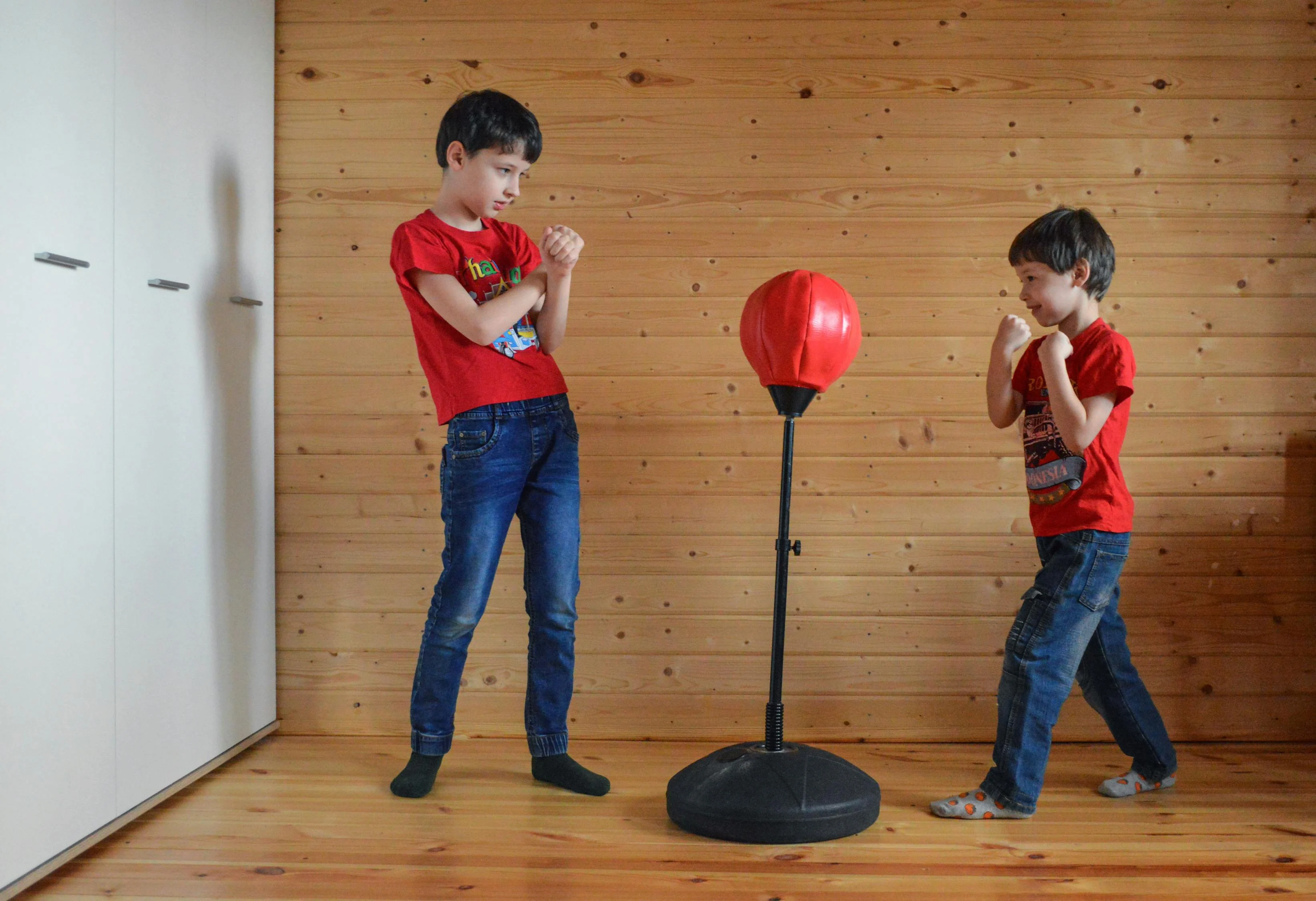
- Positive actions: jumping, stomping, clapping, playing catch or tennis, tetherball, dribbling, drumming, trampoline, punching bag
Exertion
- “Problem behaviors”: running around, squirming, whining, yelling
- Positive actions: running, dancing, pushing, lifting, “heavy work”, taking a deep breath, rolling out playdough, tearing paper, singing loudly, whisper scream
Pressure
- “Problem behaviors”: clinging, climbing on other people, pushing up against others
- Positive actions: hugs, leaning against someone or something, massage, weighted blankets and vests, compression clothing
For example, if whenever a child gets dysregulated, they hit or kick, that’s impact that they’re instinctively seeking. Asking them to take a deep breath (exertion) or giving them a hug (pressure) is less likely to be effective than an impact based tool like stomping their feet or banging on a drum. To avoid meltdowns, it might help if they get plenty of opportunity to bounce on a trampoline or playing catch to get the impact input that they need.
Learn more tools for preventing and managing meltdowns.
 More Good Days with Kids
Pingback: Building a Child’s 8 Senses | More Good Days with Kids